Archive: 2014

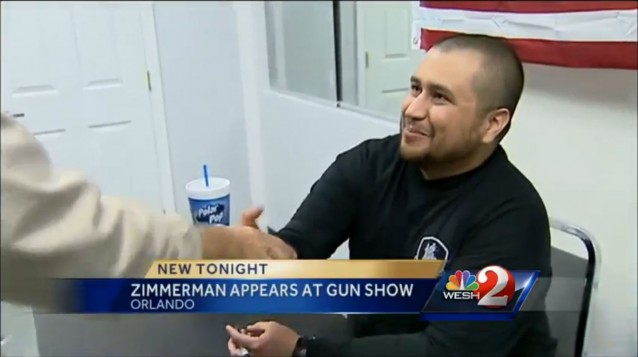
16George Zimmerman was signing autographs at a gun show in Orlando this week. Only 200 showed up for the meet-and-greet, but Zimmerman has many supporters around the country, and, as Jonathan Capeheart says:

This leads to what should bean inevitable question: Who are these people glorifying the killer of an unarmed teenager in one of the most racially polarized incidents in recent history?

I keep wondering how Jonathan Haidt — with his theory of the differing values of liberals and conservatives — would explain this embrace of Zimmerman. The liberal reaction presents no problems. Haidt says that liberal morality rests on two principles:

  • Care/Harm
  • Fairness/Cheating

Killing someone certainly qualifies as Harm, and, almost literally, getting away with murder is not Fair.

The Zimmerman side is that he shot in self-defense. That argument persuaded the jury, or at least created sufficient reasonable doubt. But it doesn’t explain why some people on the right see him as a hero. What moral principle does he represent?

In Haidt’s schema, conservatives take Harm and Fairness into account but balance them with three others:

  • Loyalty/Betrayal
  • Authority/Subversion
  • Sanctity/Degradation

(A sixth foundation – Liberty/oppression – underlies both the liberal and conservative side.)

It’s hard to see how any of these describe the autograph-seekers.  What else might explain that reaction?

The obvious candidate is racism. If the races had been reversed — if a Black man had confronted a White teenager, killed him, and then been acquitted on self-defense grounds — would the left have hailed him as a hero? I doubt it. Would those same autograph hounds in Orlando have sought him out? I doubt it.  And if Black people had then turned out to get his autograph, can you imagine what the reaction on the right would have been?

But it’s not just racism. It’s a more general willingness to do harm, great harm, to those who “deserve” it.  The liberal view (Harm/Care) is that while in some circumstances killing may be necessary or inevitable, it is still unfortunate.  But over on the right, killing, torture, and perhaps other forms of harm are cause for celebration, so long as these can be justified. In 2008, Republicans cheered Sarah Palin when she stood up for torture. In 2011, they cheered Rick Perry for signing death warrants for record numbers of executions. When Wolf Blitzer hypothsized a young man who had decided not to buy medical insurance but now lay in the ICU, and Blitzer asked “Should we let him die?” several people in the Republican audience enthusiastically shouted out, “Yes.”

My guess as to the common thread here is a dimension Haidt doesn’t include as a foundation of morality: boundary rigidity. In those earlier posts, I referred to this, or something similar, as “tribalism.”

Morality is not some abstract universal that applies to all people.  Tribal morality divides the world into Us and Them.  What’s moral is what’s good for Us.  This morality does not extend to Them.

Could it be that as you get farther out on the right, you find more people whose boundaries are more rigid?  They are the hard liners who draw hard lines. Once those lines are drawn, it’s impossible to have sympathy — to extend Care — to someone on the other side. If you imagine that you live in a world where an attack by Them is always imminent, defending those boundaries becomes very important.

That seems to be the world of gun-rights crowd lionizing Zimmerman.  Their cherished scenario is the defense of boundaries against those who are clearly Not Us.  They stand their ground and defend themselves, their families, their houses and property, even their towns and communities.  It is a story they never tire of, repeated time after time in NRA publications.  Zimmerman is a hero because his story, in their view, embodies the narrative of righteous slaughter.

Cross-posted at Montclair SocioBlog.

Jay Livingston is the chair of the Sociology Department at Montclair State University. You can follow him at Montclair SocioBlog or on Twitter.
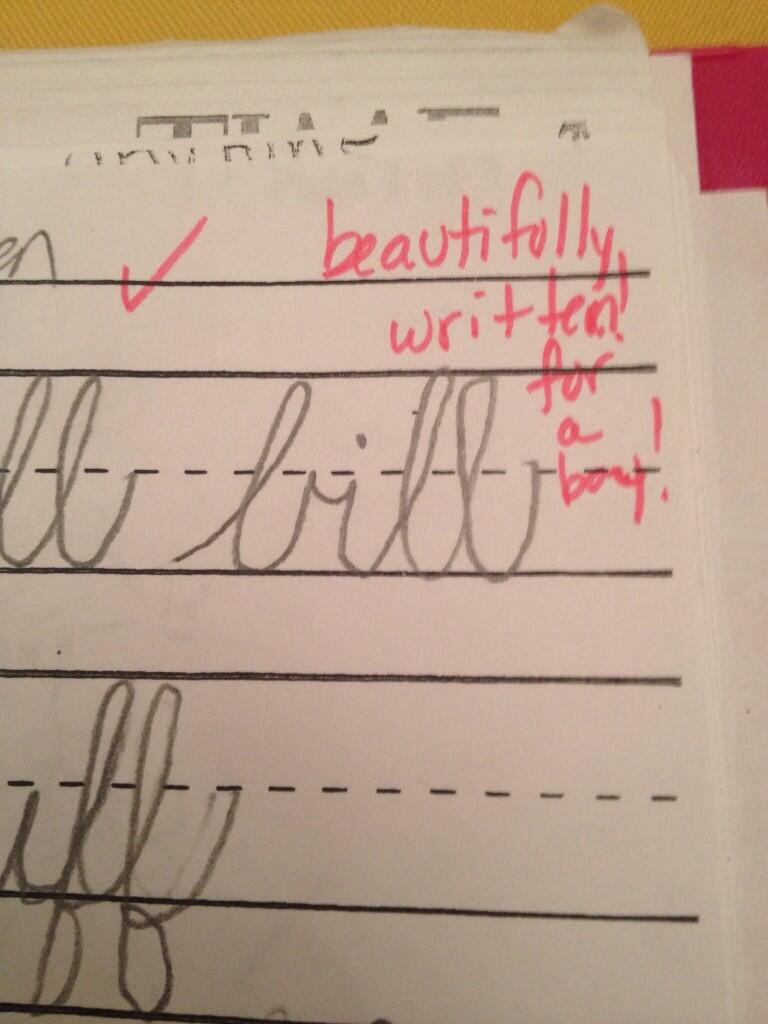
This week Meredith Kleykamp tweeted us a photo of a comment written on her 3rd grade son’s cursive homework.  The teacher wrote: “beautifully written! for a boy!”

1a

So what’s the message here?

Some argue that boys are slower than girls to develop the fine motor coordination that facilitates beautiful handwriting.  I’ve never interrogated that research, but let’s assume, for sake of argument, that that’s true.

If it’s true, then maybe Kleykamp’s son’s handwriting really is beautiful “for a boy.”  But does that make the teacher’s comment innocuous?

Kleykamp observes: “‘Beautifully written’ is sufficient to convey praise.”  Then what additional message does the extra commentary send?  Given a social context in which boys are encouraged to be unlike girls, Christopher Knorr thought the subtext might be: “you will be forced to choose between your penmanship and your masculinity.”

Scholars call these kinds of lessons the “hidden curriculum.”  Here’s another shocking example.

Lisa Wade, PhD is an Associate Professor at Tulane University. She is the author of American Hookup, a book about college sexual culture; a textbook about gender; and a forthcoming introductory text: Terrible Magnificent Sociology. You can follow her on Twitter and Instagram.

Devoted SocImages readers know that I will make any excuse to put up a video involving animals.  I’m going to do it right now.

The video is a dolphin petting a cat. In the first part of the video, you’ll see the dolphin come out of the water and try to put his chin on the top of the cat’s head.  In the second part of the video, you’ll see how the dolphin learned to do that. The cat very clearly wants to rub the top of his head, specifically, on the dolphin and the dolphin is paying attention and learning.

This isn’t just adorable interspecies communication, it’s proto-culture.  It’s the transmission of an idea. I don’t know if all the dolphins in this video pet the cat this way, or if it’s just one dolphin, but I can certainly imagine one dolphin teaching the next, just as the cat taught the first dolphin.

Or, to put it more simply, humans aren’t special because we’re humans, were special because we’re animals.

Lisa Wade, PhD is an Associate Professor at Tulane University. She is the author of American Hookup, a book about college sexual culture; a textbook about gender; and a forthcoming introductory text: Terrible Magnificent Sociology. You can follow her on Twitter and Instagram.

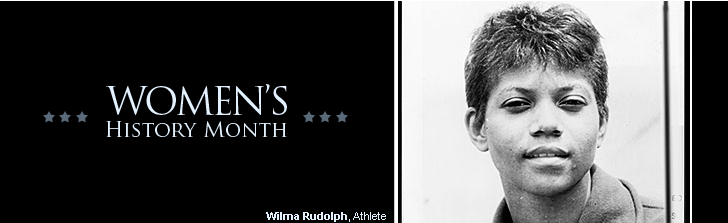
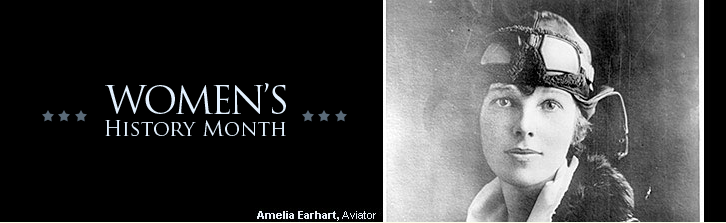
1 (2) - CopyAmelia Earhart, aviator. Wilma Rudolph, athlete. Sally Ride, astronaut. Elizabeth Cady Stanton, activist. Josephine Baker, performer. Virginia Woolf, novelist. Rosie the Riveter, archetype. Alice Paul, suffragist. Frida Kahlo, artist. Hillary Clinton, Secretary of State.

1 (2)

What do these women have in common? They are the 10 iconic women featured this year by womenshistorymonth.gov, the official website of Women’s History Month in the United States. A rotating banner across the top of the page shows a photo of each woman, her name, and a one word description, presumably the reason she is worthy of celebration.

Unfortunately, the women singled out for recognition at the site appear to be considered notable mainly because they excelled at what are generally thought to be “masculine” pursuits. This is androcentric, meaning that it values masculinity over femininity. Traits that have been traditionally conceptualized as masculine (such as being a leader and good at sports and math) are now seen as valuable for girls to develop, while boys are often still discouraged from do things traditionally conceptualized as feminine (such as nurturing, cooking, and cleaning).

I am all for questioning the idea that certain jobs are “men’s jobs,” but we also need to challenge the idea that only women can do “women’s jobs.” If we do not, the belief that women should do “women’s work” and, more importantly, that women’s work is not worth celebrating, is left unquestioned.

1 (3)

Women’s History Month tends to follow this trend. None of the women we typically recognize at this time of year, for example, are noted for being good cooks, care givers, or educators of children, nor are they lauded for their nurturing of others, emotional openness, kindness, or compassion — all traditionally “feminine” traits. Caring for others and teaching youth are wonderful things that everyone should be encouraged to do. Our history books should be filled with people of all genders who were exceptional in these areas. But, these traditionally feminine pursuits are not what earns one accolades during Women’s History Month, or any other time. As a consequence, people are not taught to value such jobs or the people who do them. This one-sided celebration is unlikely to solve the very problem that Women’s History Month is ostensibly designed to combat: gender inequality.

“To all the women who quietly made history” (source):

1 (4)

Laurel Westbrook is an Assistant Professor of Sociology at Grand Valley State University. Her research focuses on gendered violence, social movements, and the inner workings of the sex/gender/sexuality system.

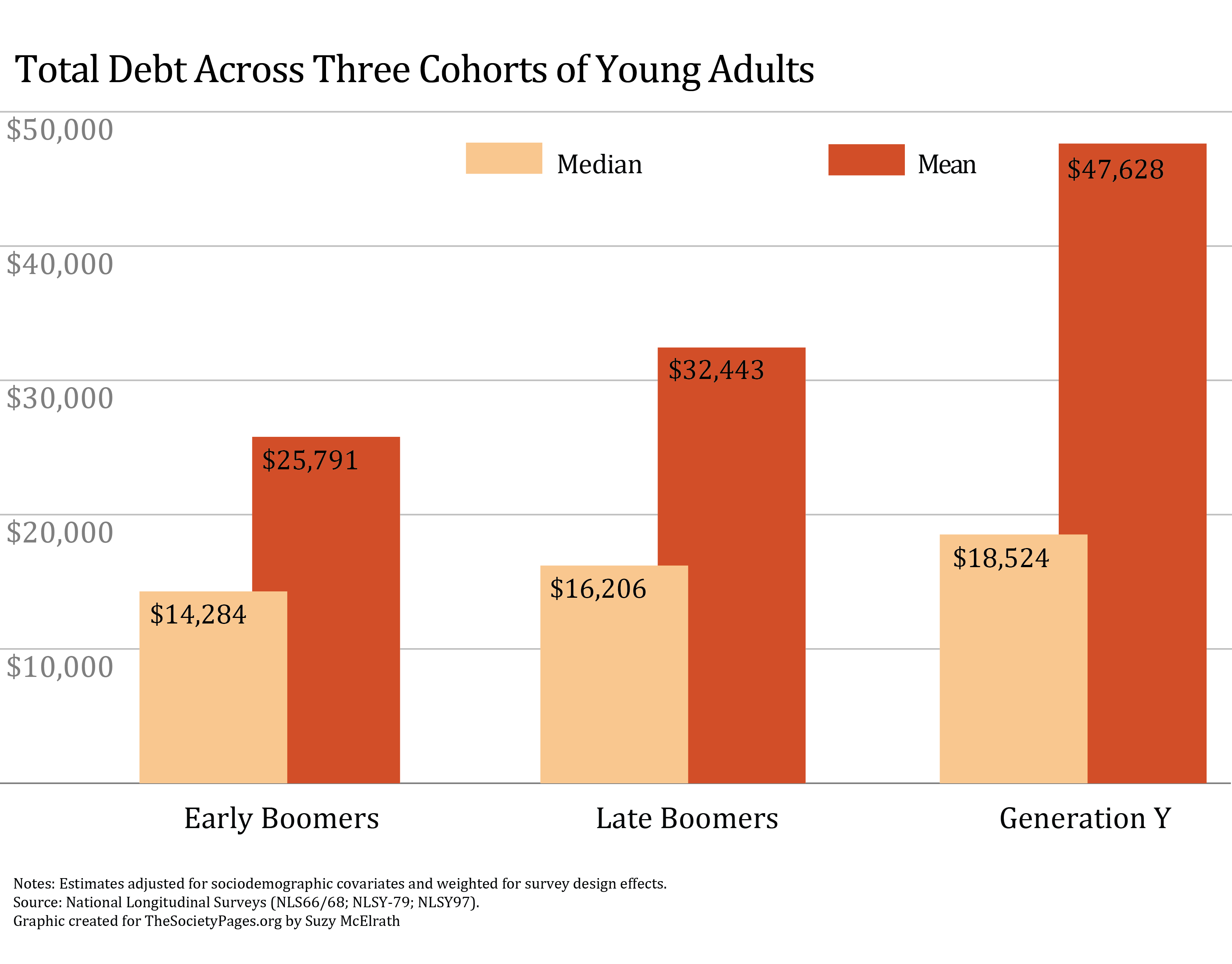
Do Millennials really carry more debt than their parents and grandparents did at their age? Yes, according to a new study by sociologist Jason Houle.  “In order to participate in society and gain economic independence,” he writes, “many young adults today must take a massive financial risk.”  Or, as he puts it, “out of the nest and into the red.”

The graph below compares the amount of debt held by three generations in young adulthood (adjusted for inflation and controlled for other variables). Notice that the median debt load has grown, but the average debt load has grown much faster. This means that, while debt has grown over all, averages are also pulled up by a small number of young people that have really high levels.

1 (2) - Copy

Some evidence suggests that high debt individuals may be coming from lower income families. They take on debt as young people because the adults in their lives have already maxed out. They can’t count on their parents, for example, to take out a second mortgage on the house in order to pay for their college education. So, if they want to go to college, they have to take on the debt themselves.

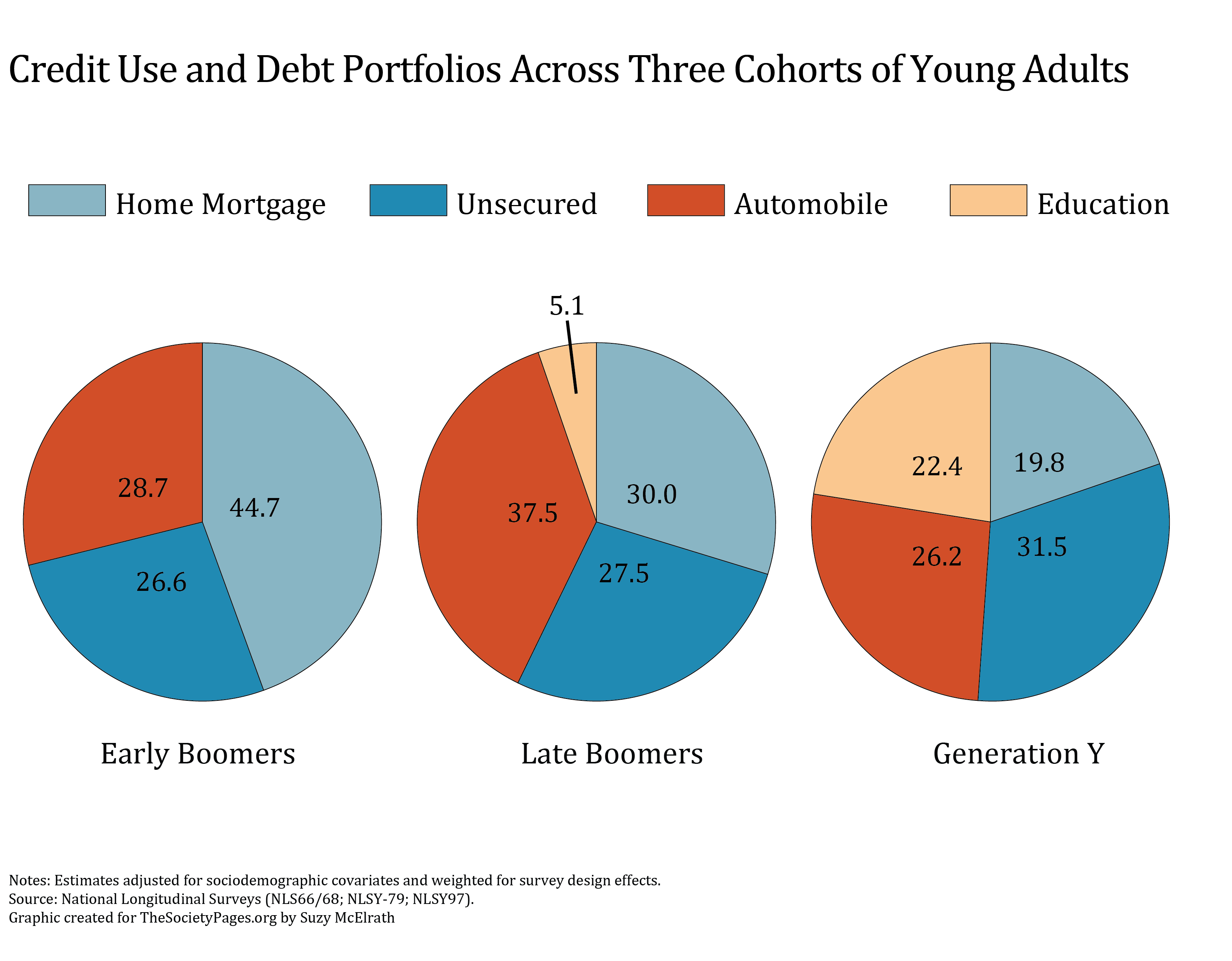
Houle’s analysis, however, also shows that the kind of debt has changed across the three generations. The pie charts below reveal that the proportion of debt accounted for by home or car loans has shrunk, while the proportion accounted for by education loans and unsecured debt, like credit cards, has risen.

1 (2)

Moreover, Houle argues that this profile of generation Y’s debt is class specific:

The more advantaged are able to take on debt that helps them pursue a middle class lifestyle and build their wealth, while the less advantaged must take on debt to pay their bills and keep their heads above water.

So, is massive financial risk the new recipe for success?

For some, the answer may be yes. But for many, the gamble does not pay off. Students that take out college loans, for example, are more likely to drop out of college than those who have a parent that can pay. The combination of school loans and minimum-wage jobs can add up to a lifetime of economic insecurity. But, without other resources, not risking at all almost guarantees failure in this economy.  For this reason, Houle argues, the availability of credit and acquisition of debt may be just another driver of income and wealth inequality.  It’s a disturbing story that you can read in more depth here.

Lisa Wade, PhD is an Associate Professor at Tulane University. She is the author of American Hookup, a book about college sexual culture; a textbook about gender; and a forthcoming introductory text: Terrible Magnificent Sociology. You can follow her on Twitter and Instagram.

A touching BBC story describes a new documentary, Menstrual Man, that chronicles the trials and tribulations of a humble man in India who sought to offer his wife a sanitary napkin.  After marrying, he discovered that his wife kept from him a secret: the rags she used and re-used to collect menstrual blood.

Only 12% of women in India used pads; they were simply too expensive for most to buy. Nearly three-quarters of all reproductive diseases were caused by poor menstrual hygiene.  A combination of high cost and embarrassment kept women from developing a safe method of managing menstruation.  Nearly a quarter of girls dropped out of school when they started their periods.

Arunachalam Muruganantham was driven to offer women a solution.  He was going to design a machine that would produce low cost menstrual pads.  He asked his wife to serve as an experimental subject, but one woman menstruating once a month wasn’t enough of a sample.  He asked medical students to participate, but the responses were slim.  He fashioned a fake uterus and collected goat blood, trying to experiment himself.

“Everyone thought he’d gone mad.”

His wife left, his mother left, his friends avoided him; it was suspected he was some kind of diseased or possessed sexual pervert, collecting menstrual blood to do god-knows-what.

Figuring out how to make highly absorptive cotton was a significant challenge.  He finally tricked a  multinational company into sending him samples of the raw material: cellulose from the bark of the tree.  Now he just had to design a cheap machine that would turn the raw material into pads.

Four-and-a-half years later, he was producing affordable menstrual pads for Indian women on a cheaply made machine.  He won an award.  His wife came back.

He built 250 machines, which he then took to the poorest areas of Northern India.  He gave them to women, at no profit, who could then produce the pads and sell them to local women.  Each woman now runs her own business.  “Over time the machines spread to 1,300 villages in 23 states.” He is now looking to expand to 106 more countries.

About his success, Muruganantham said:

Anyone with an MBA would immediately accumulate the maximum money. But I did not want to. Why? Because from childhood I know no human being died because of poverty — everything happens because of ignorance…. I have accumulated no money but I accumulate a lot of happiness.

Watch the trailer here.

Cross-posted at Pacific Standard.

Lisa Wade, PhD is an Associate Professor at Tulane University. She is the author of American Hookup, a book about college sexual culture; a textbook about gender; and a forthcoming introductory text: Terrible Magnificent Sociology. You can follow her on Twitter and Instagram.

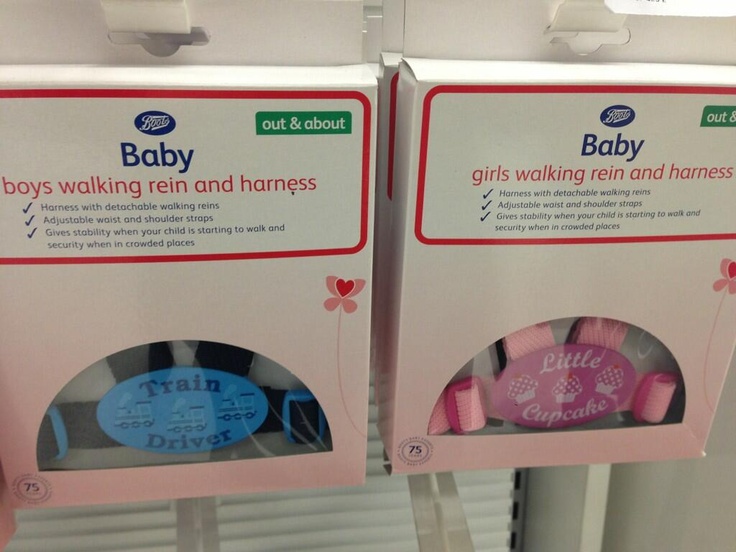
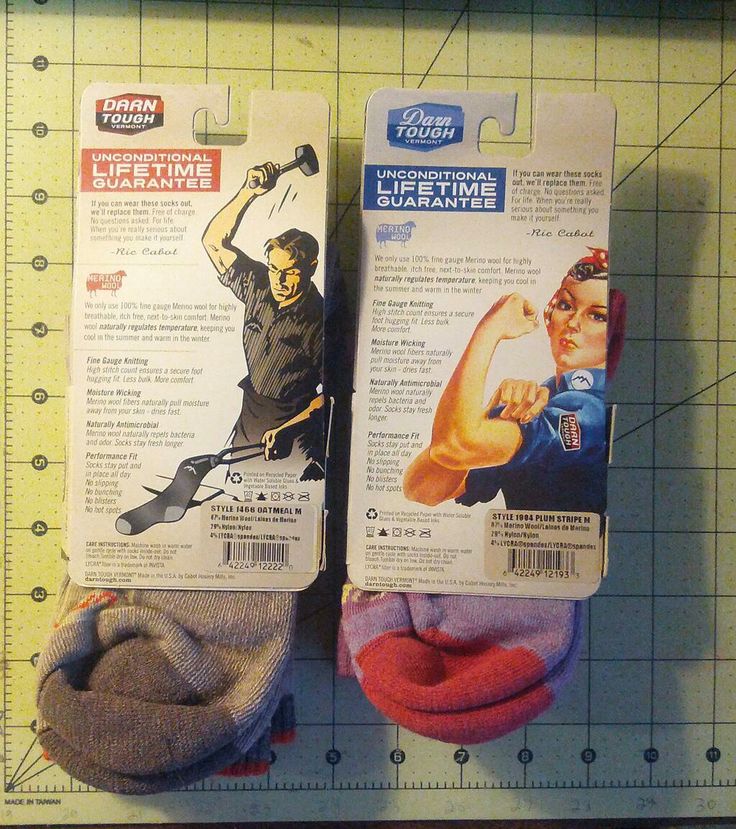
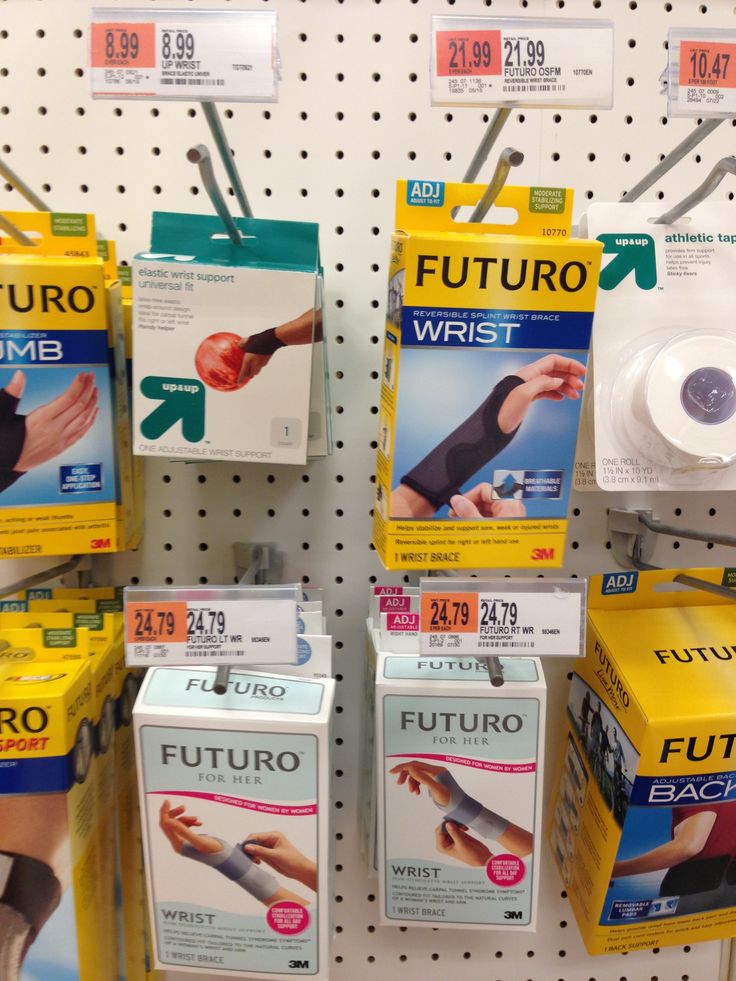
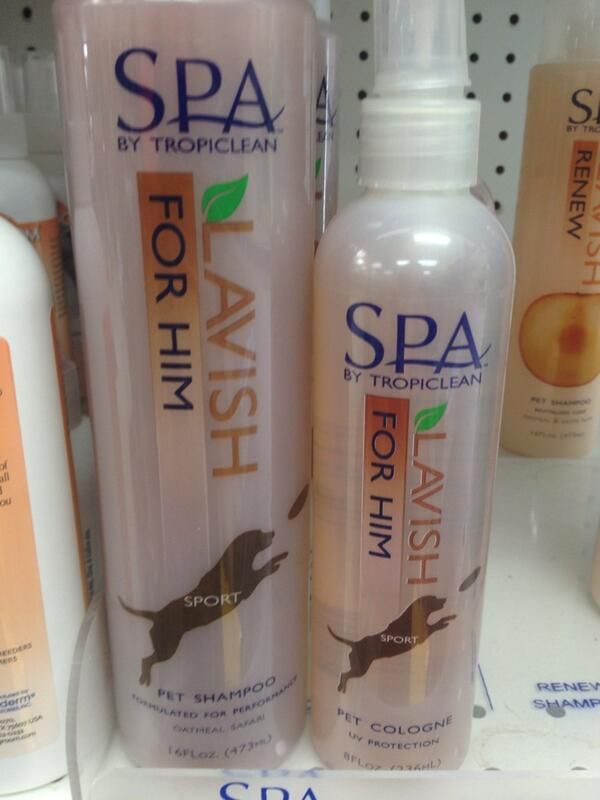
It’s been a while since we treated our audience to a post featuring a collection of pointlessly gendered products.  Time to correct our lapse in diligence!  Here are some favorite examples we’ve added to our Pinterest board lately.

THE FOOD CATEGORY.

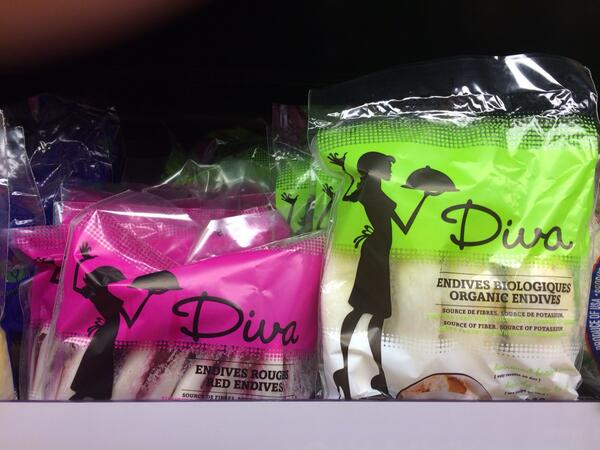
Pointlessly gendered endives:

1 (2)

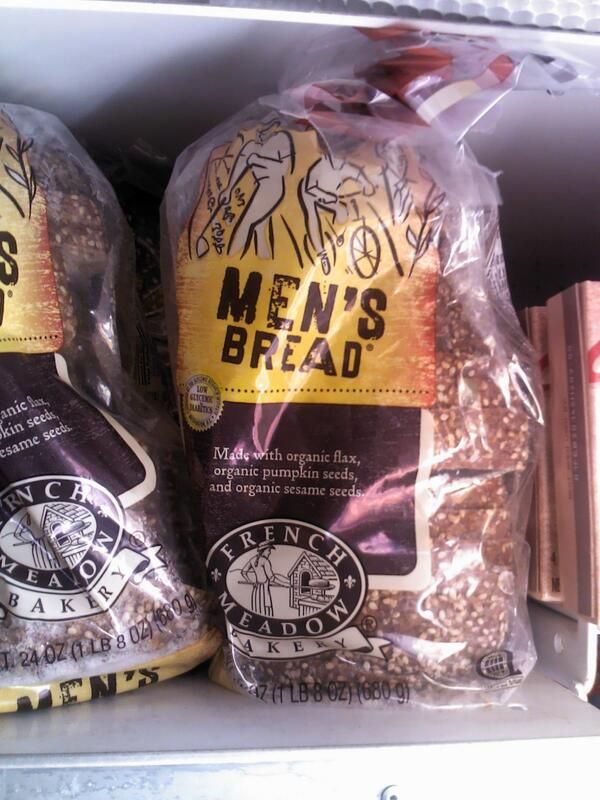
Pointlessly gendered bread:

1 (3)

Pointlessly gendered eggs:

1 (4)

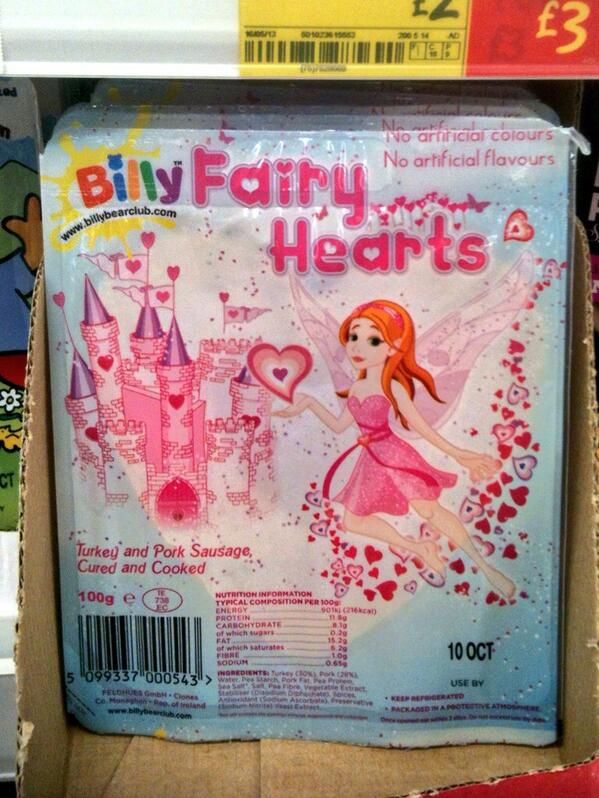
Pointlessly gendered sausages: 1 (5)

Thanks @appledaughter,  Lars F., @mamatastic, @day_jess, @jongudmundand, and @blessedharlot!

KID STUFF.

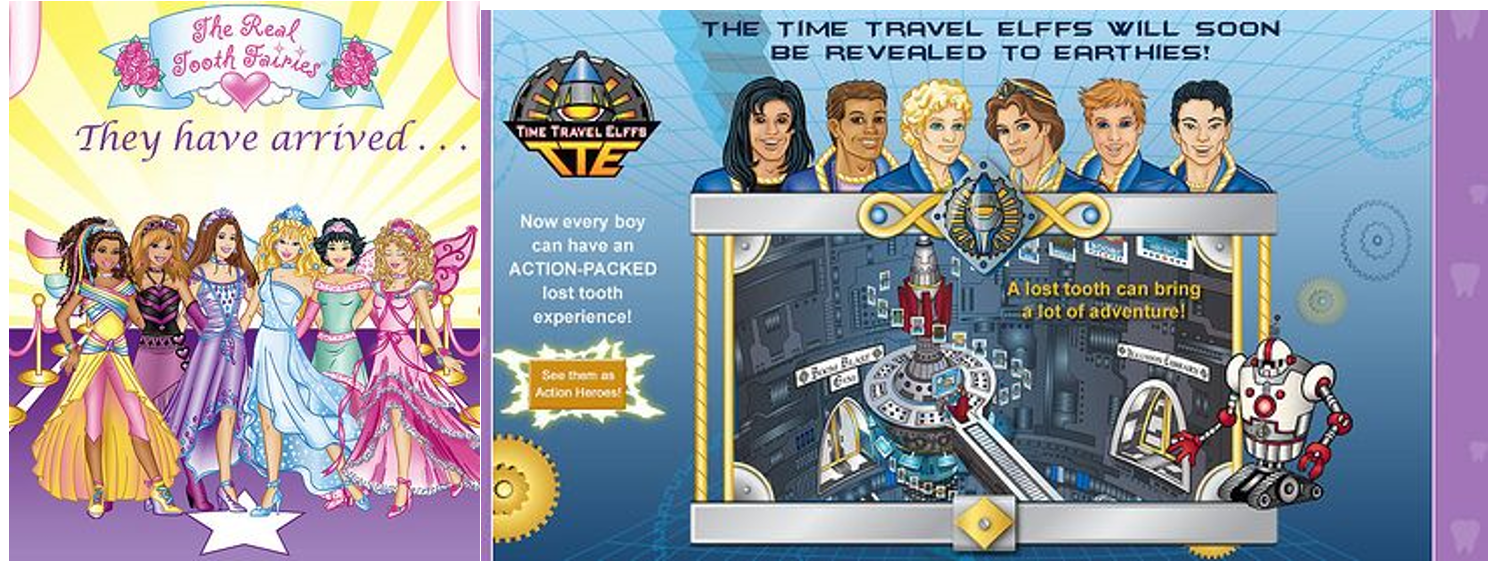
Pointlessly gendered tooth fairies:

Screenshot (38)

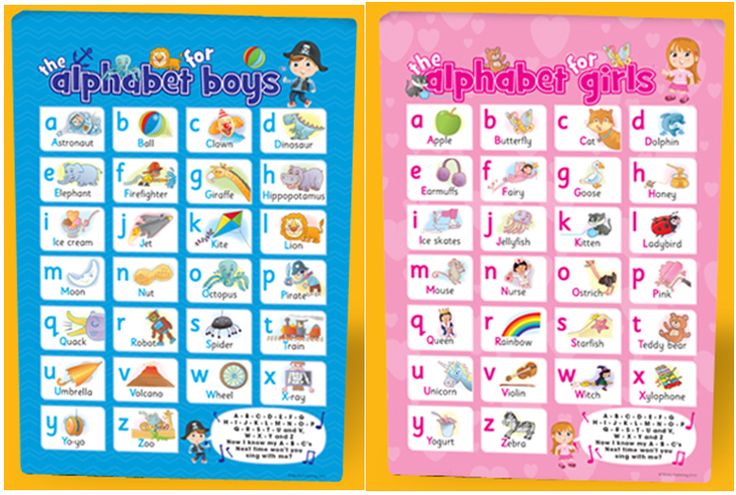
Pointlessly gendered alphabets:1 (2)

Pointlessly gendered child harnesses:

3

Thanks Sarah M., @day_jess, and @qaoileann!

GROWN-UP STUFF.

Pointlessly gendered socks:

1 (2)

Pointlessly gendered wrist support:1 (4)

Pointlessly gendered job ads:1 (5)

Bonus! Pointlessly gendered pet shampoo:

2 (2)Thanks Jen T., Lisa S., @nayohmei, and @doubleemmartin!

That’s all for now!  Check out the entire collection on Pinterest.

Lisa Wade, PhD is an Associate Professor at Tulane University. She is the author of American Hookup, a book about college sexual culture; a textbook about gender; and a forthcoming introductory text: Terrible Magnificent Sociology. You can follow her on Twitter and Instagram.

“How could we get evidence for this?” I often ask students. And the answer, almost always is, “Do a survey.” The word survey has magical power; anything designated by that name wears a cloak of infallibility.

“Survey just means asking a bunch of people a bunch of questions,” I’ll say. “Whether it has any value depends on how good the bunch of people is and how good the questions are.”  My hope is that a few examples of bad sampling and bad questions will demystify.

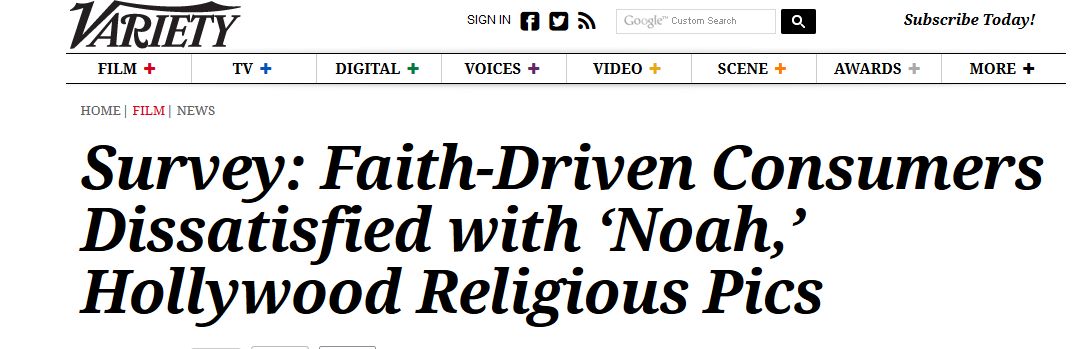
For example, Variety:

11

Here’s the lede:

Despite its Biblical inspiration, Paramount’s upcoming “Noah” may face some rough seas with religious audiences, according to a new survey by Faith Driven Consumers.

The data to confirm that idea:

The religious organization found in a survey that 98% of its supporters were not “satisfied” with Hollywood’s take on religious stories such as “Noah,” which focuses on Biblical figure Noah.

The sample:

Faith Driven Consumers surveyed its supporters over several days and based the results on a collected 5,000+ responses.

And (I’m saving the best till last) here’s the crucial survey question:

As a Faith Driven Consumer, are you satisfied with a Biblically themed movie — designed to appeal to you — which replaces the Bible’s core message with one created by Hollywood?

As if the part about “replacing the Bible’s core message” weren’t enough, the item reminds the respondent of her or his identity as a Faith Driven Consumer. It does make you wonder about that 2% who either were fine with the Hollywood* message or didn’t know.

You can’t really fault Faith Driven Consumer too much for this shoddy “research.” They’re not in business to find the sociological facts. What’s appalling is that Variety accepts it at face value and without comment.

Cross-posted at Montclair SocioBlog.

Jay Livingston is the chair of the Sociology Department at Montclair State University. You can follow him at Montclair SocioBlog or on Twitter.