Archive: 2007


This website created by the American Anthropological Association is a great way to explore the social construction of race. There’s an awesome timeline that traces political and scientific trends where you can click on any part of it and get more information. It’s a great resource.It also includes this great 7 minute video called “A Girl Like Me”:

I’d actually love to get some feedback on this video. I really like it, but last time I showed it (in a social psychology portion of a Race and Ethnicity course), the class had a hard time recovering. It was depressing and I wasn’t very successful in DOING something SOCIOLOGICAL with it. Any ideas?

Lisa Wade, PhD is an Associate Professor at Tulane University. She is the author of American Hookup, a book about college sexual culture; a textbook about gender; and a forthcoming introductory text: Terrible Magnificent Sociology. You can follow her on Twitter and Instagram.

James Watson won the Nobel Prize for co-discovering the structure of DNA. He’s a pretty big deal.

The other day he said some very unfortunate things. The article from which I stole this information summarized those things as follows:

The controversy began with an article in The Times of London in October that quoted Dr. Watson, who was on a book tour, as saying that he was “inherently gloomy about the prospect of Africa” because “all our social policies are based on the fact that their intelligence is the same as ours — whereas all the testing says not really.” According to the article, he said that “there are many people of color who are very talented,” and he hoped people were equal, but that “people who have to deal with black employees find this not true.”

Well, it turns out that a test of his DNA revealed that he has 16 times more African origin genes than the typical European person: “about the same amount of African DNA that would show up if one great-grandparent were African.”

That’s some awesome irony.

Here is a nice discussion of the scientific merit of his assertion and it’s testability by Janis Prince Inniss from the Everyday Sociology Blog supported by W. W. Norton & Co.

Lisa Wade, PhD is an Associate Professor at Tulane University. She is the author of American Hookup, a book about college sexual culture; a textbook about gender; and a forthcoming introductory text: Terrible Magnificent Sociology. You can follow her on Twitter and Instagram.
Almond = Asia
Apple = Europe/Asia
Apricots = Asia
Arrowroot = South America
Artichoke = Europe
Asparagus = Asia
Avocado = South America
Bamboo = Asia
Banana = Southeast Asia
Barley = Middle East (?)
Basil = India
Beet = Europe/Mediterranean
Bay = Mediterranean
Bitter melon = Africa/Asia/Australia
Black-eyed pea = North Africa/South Asia (?)
Black pepper = Tropical India
Blackberry = North America
Blueberry = North America/Europe
Brazil nut = South America
Breadfruit = Asia
Broccoli = Europe
Brussels sprouts = Europe
Buckwheat = Western China
Cabbage = Europe
Cacoa/cocoa = Mexico
Cannabis = Central Asia
Canna = South America
Capers = Mediterranean
Carambola (star fruit) = Asia
Carrot = Europe
Cashew = South America
Cauliflower = Europe
Celery = Mediterranean (?)
Cherry = Eurasia
Chestnut = North America
Chickpea/garbanzo bean = Southeast Turkey/Middle East
Chicory = Asia
Chili pepper = South American tropics
Chive = North America/Asia
Cilantro/coriander = Europe/Asia
Cinnamon = South Asian tropics
Clove = Indonesia
Coconut = Asia
Coffee = Ethiopia
Cola nut = West Africa
Collard = Europe
Corn = Mexico
Cranberry = Asia
Cucumber = Africa/Asia
Currant = Europe/Asia
Custard apple = South America
Date = Africa/Asia
Date palm = Asia
Eggplant = Africa/Asia
Endive = Asia
Fig = Europe
Garlic = Asia
Ginger = Southern China
Gooseberry = Europe
Grapefruit = Asia or West Indies
Grapes = Europe/North America
Sweet pea = Southwest Asia (?)
Guava = South America
Hazelnut = Europe
Hops = Near East
Jackfruit = Asia
Kale = Europe
Kiwi = Asia
Kohlrabi = Europe
Leek = Mediterranean and Middle East
Lemon = Asia
Lettuce = Western Asia
Lime = Asia
Loganberry = North America
Loquat = Asia
Macadamia nut = Africa/Australia
Mango = Asia
Manioc = South America
Maple sugar = North America
Marjoram = North Africa/Asia
Melon = Africa/Asia
Millet = East/Central Africa
Mint = Europe
Mustard = Mediterranean/Southwest Asia
Nutmeg = Malaysia
Oats = Near East
Oil Palm = West Africa
Okra = Asia
Olive = Europe/Middle East
Onion = Asia
Orange = Southeast Asia
Oregano = Eurasia
Papaya = South America
Paprika = South American tropics
Parsley = Eurasia
Parsnip = Eurasia
Passion fruit = South American tropics
Peach = Asia
Peanut = Brazil
Pear = Western Europe
Pecan = North America
Pineapple = South America
Pistachio = Mediterranean
Pomegranate = Asia
Potato = South America
Pummelo = Asia
Quinoa = South America
Radish = Europe/Asia
Raspberry = North America
Rhubarb = Asia
Rice = India/Southeast Asia
Rosemary = Mediterranean
Sapadilla = South America
Sesame = Africa, Asia
Sorghum = Africa
Soybean = Northeast China
Spinach = Asia
Squash = North America/South America
Strawberry = North America
Sunflower = North America/South America
Sweet pepper = South America
Sweet potato = South America
Swiss chard = Europe/Asia
Tamarind = India/Tropical rainforest
Tea = India/China
Tef = Ethiopia
Thyme = Mediterranean
Tomato = South America
Turnip = Asia
Vanilla = Mexico
Walnut = North America/Asia
Watermelon = Africa/Asia
Wheat = Near East
Wild rice = North America
Yam = Asia
Yantia = South America
Zucchini = North America/South America

I use these in class to illustrate how “tradition” is constructed–for instance, tomatoes are now seen as the essence of traditional Italian cooking, and yet they are native to South America and only made it to Italy a few hundred years ago, and coffee is native to Ethiopia but the country most associated with it today is Colombia.

It’s also useful for talking about globalization and showing that it’s been going on longer than the last 100 years or so–movement of crops within and between hemispheres has been going on for thousands of years.

These are from L.H Bailey, Ethel Zoe Bailey, and the Staff of Liberty Hyde Bailey Hortotorium. 1997. Hortus Third: A Concise Dictionary of Plants Cultivated in the United States and Canada. New York: Barnes & Noble.

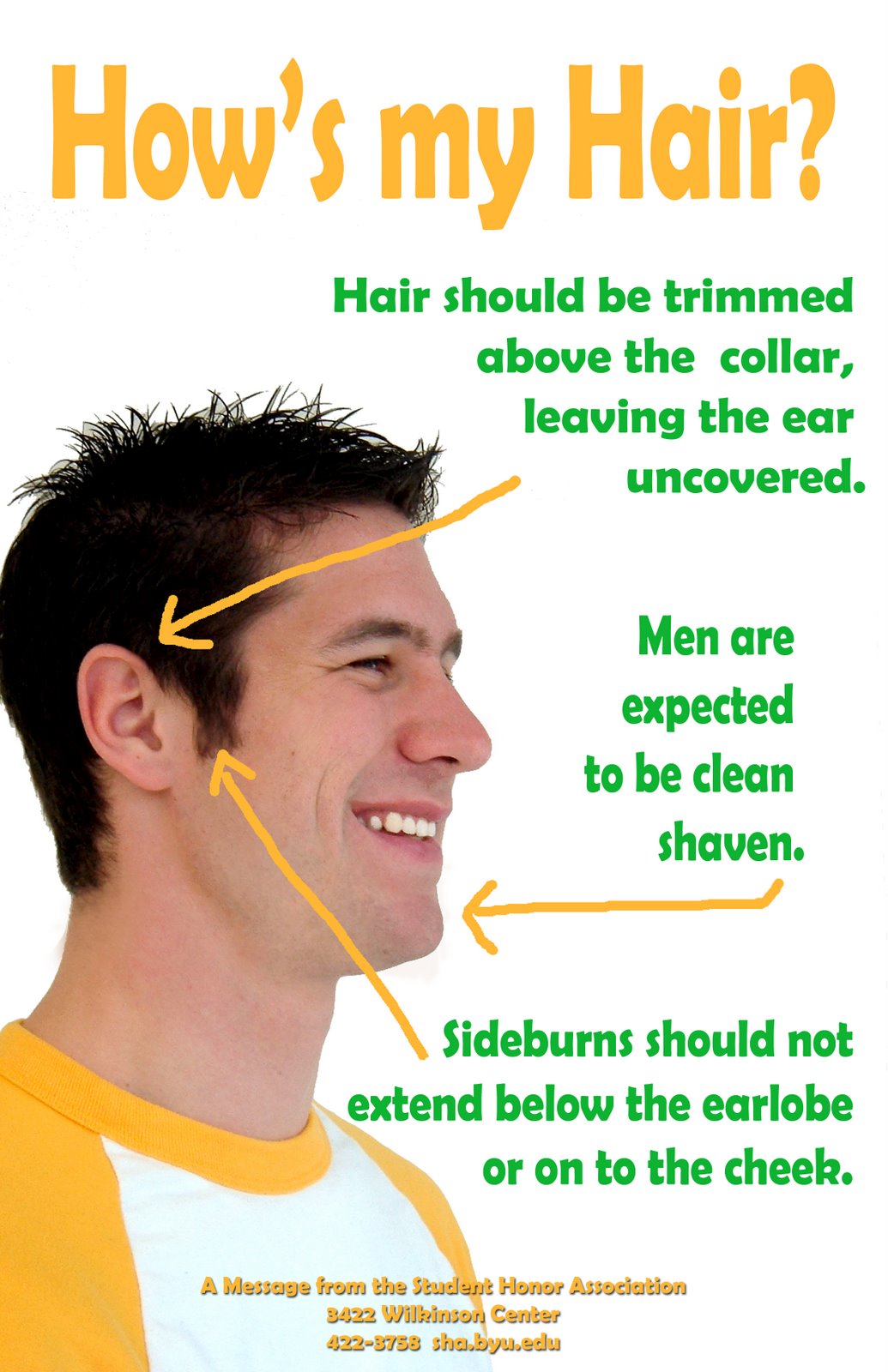
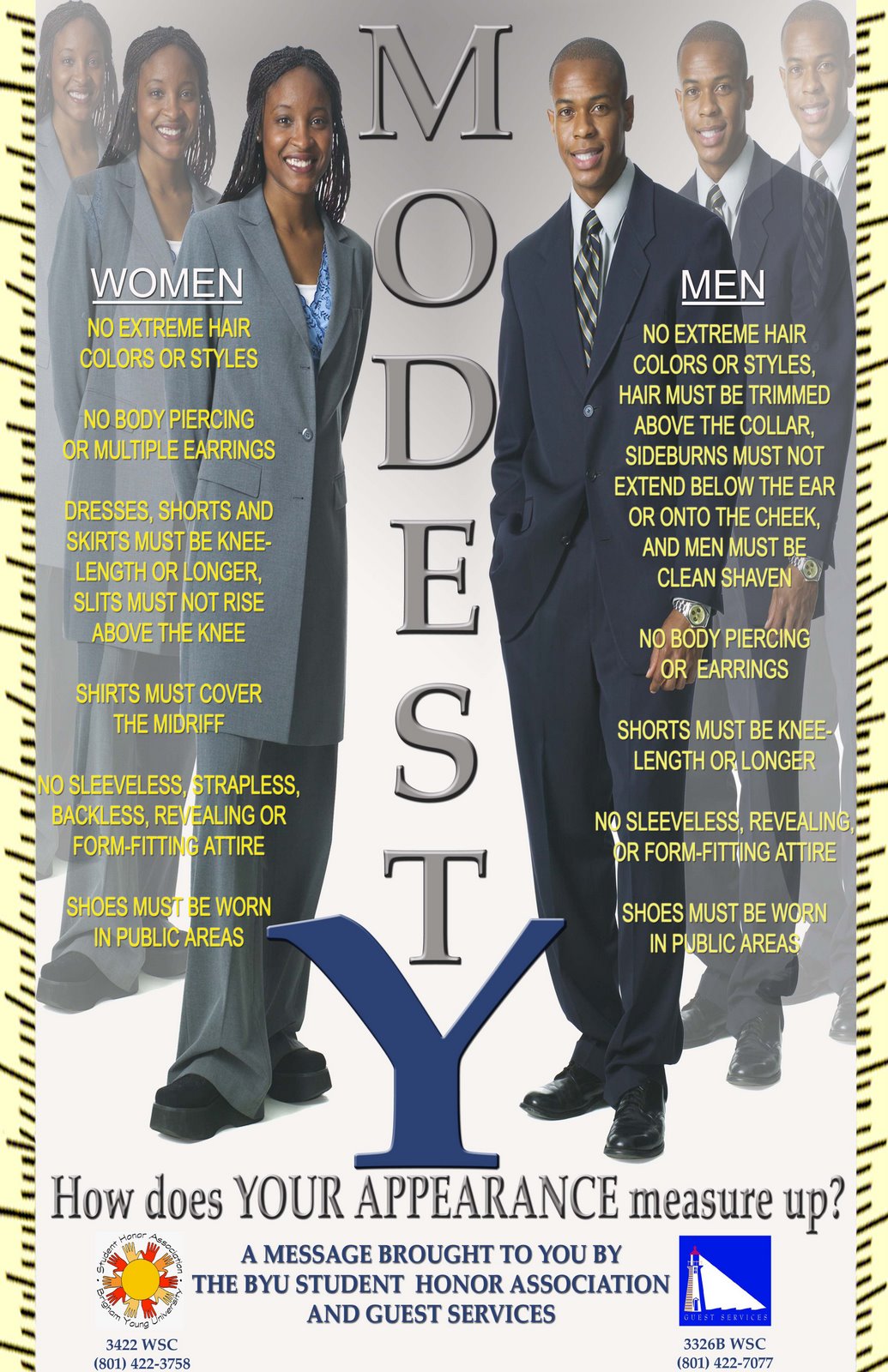
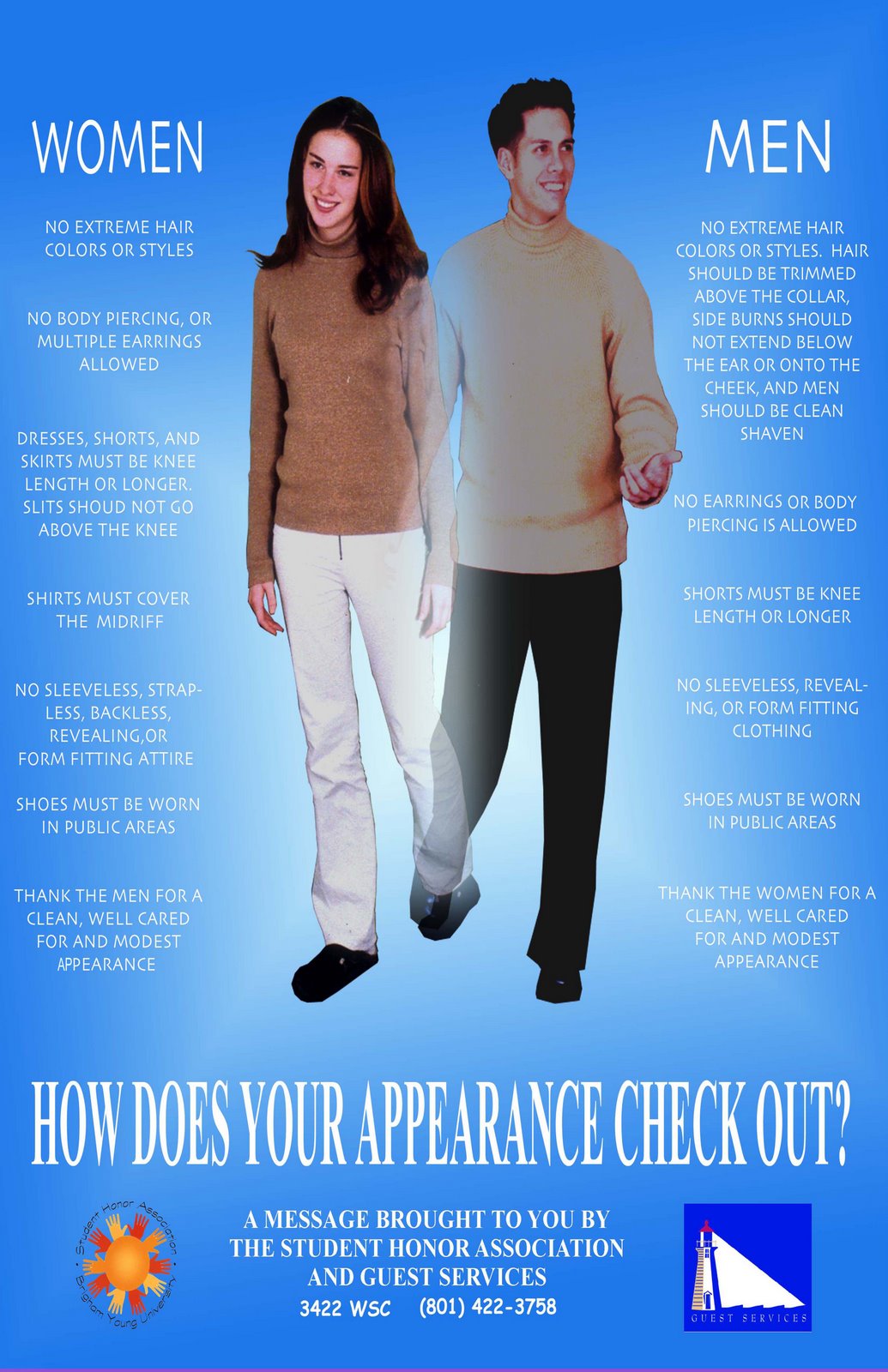
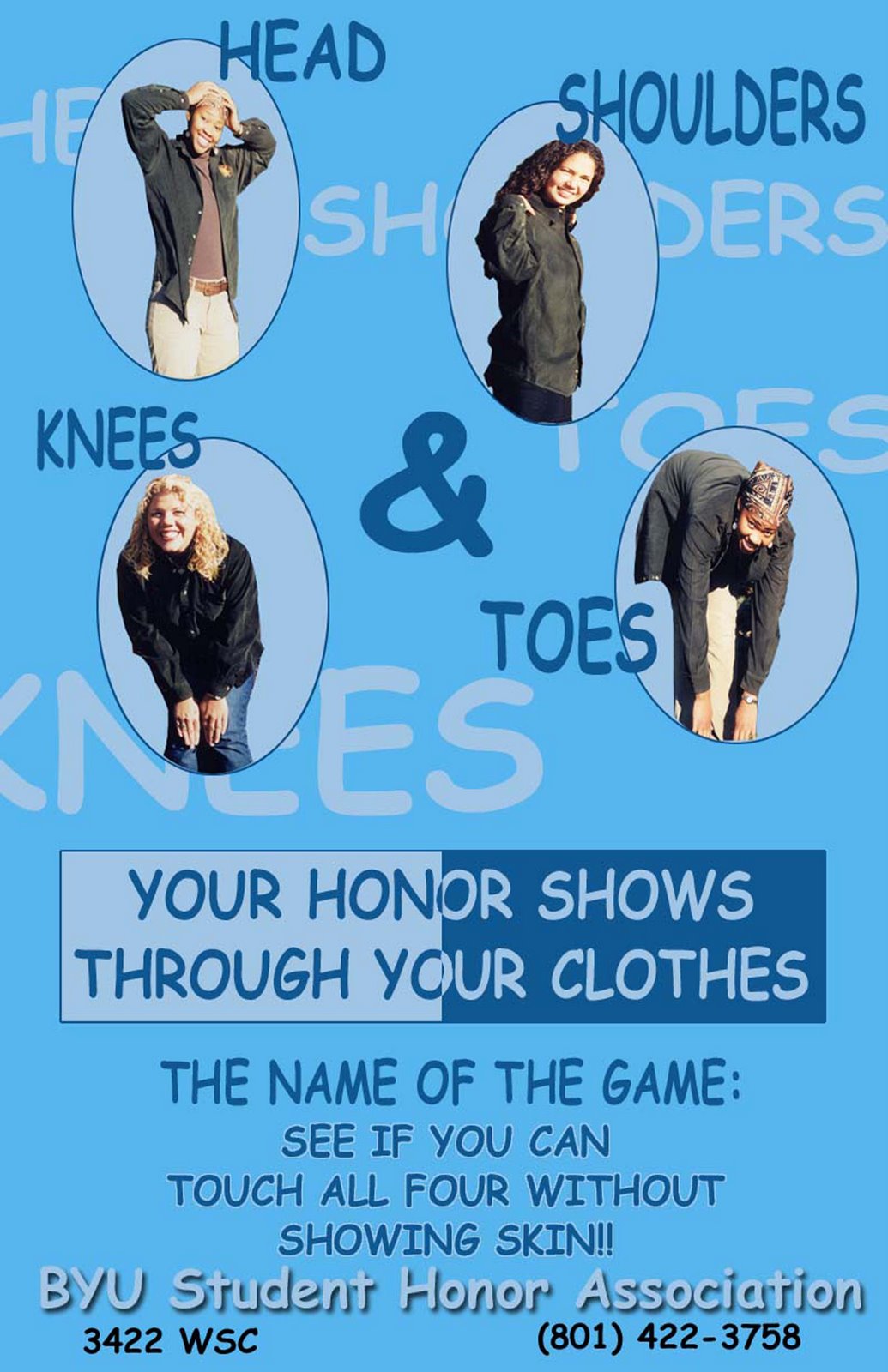
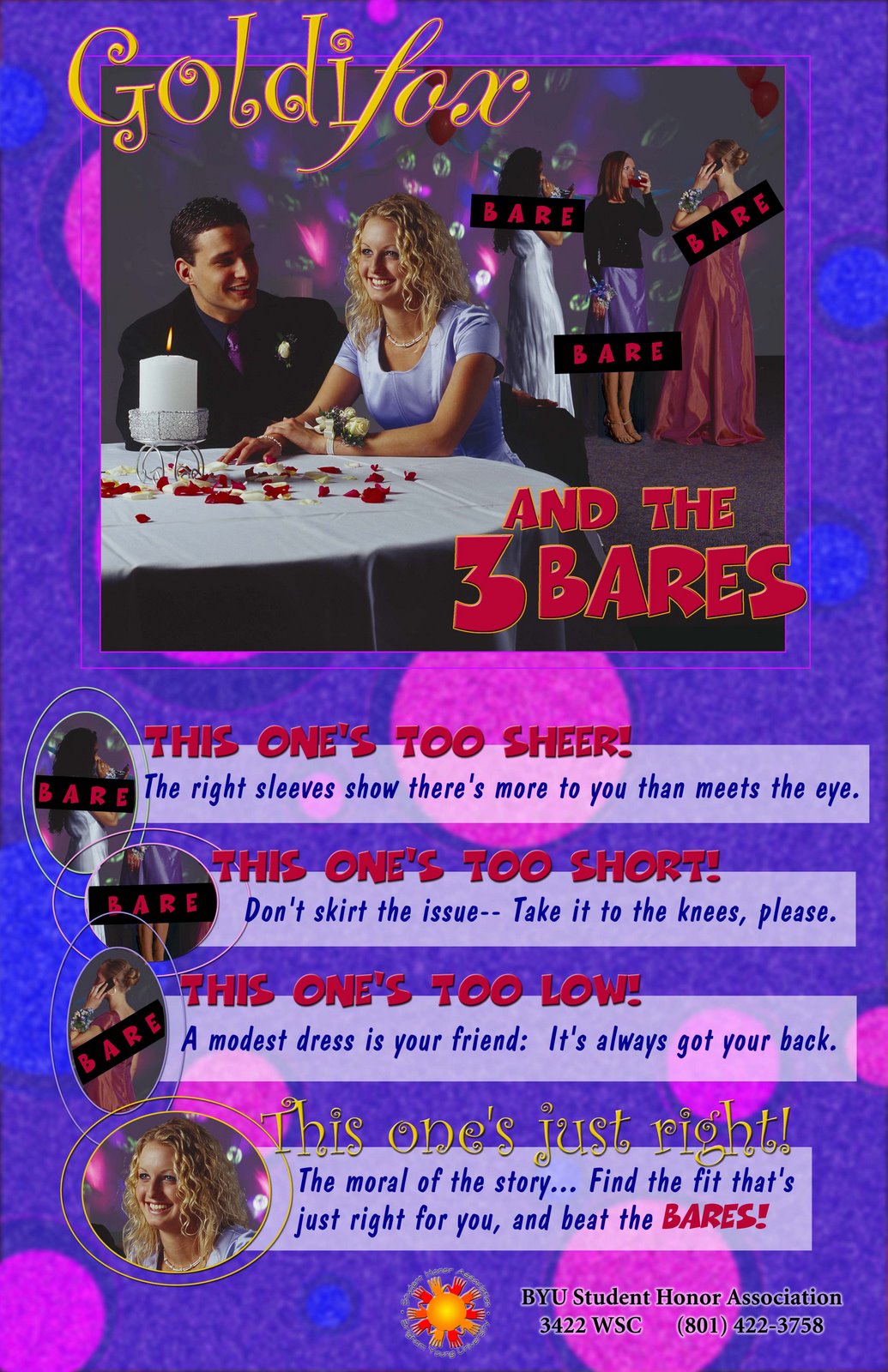
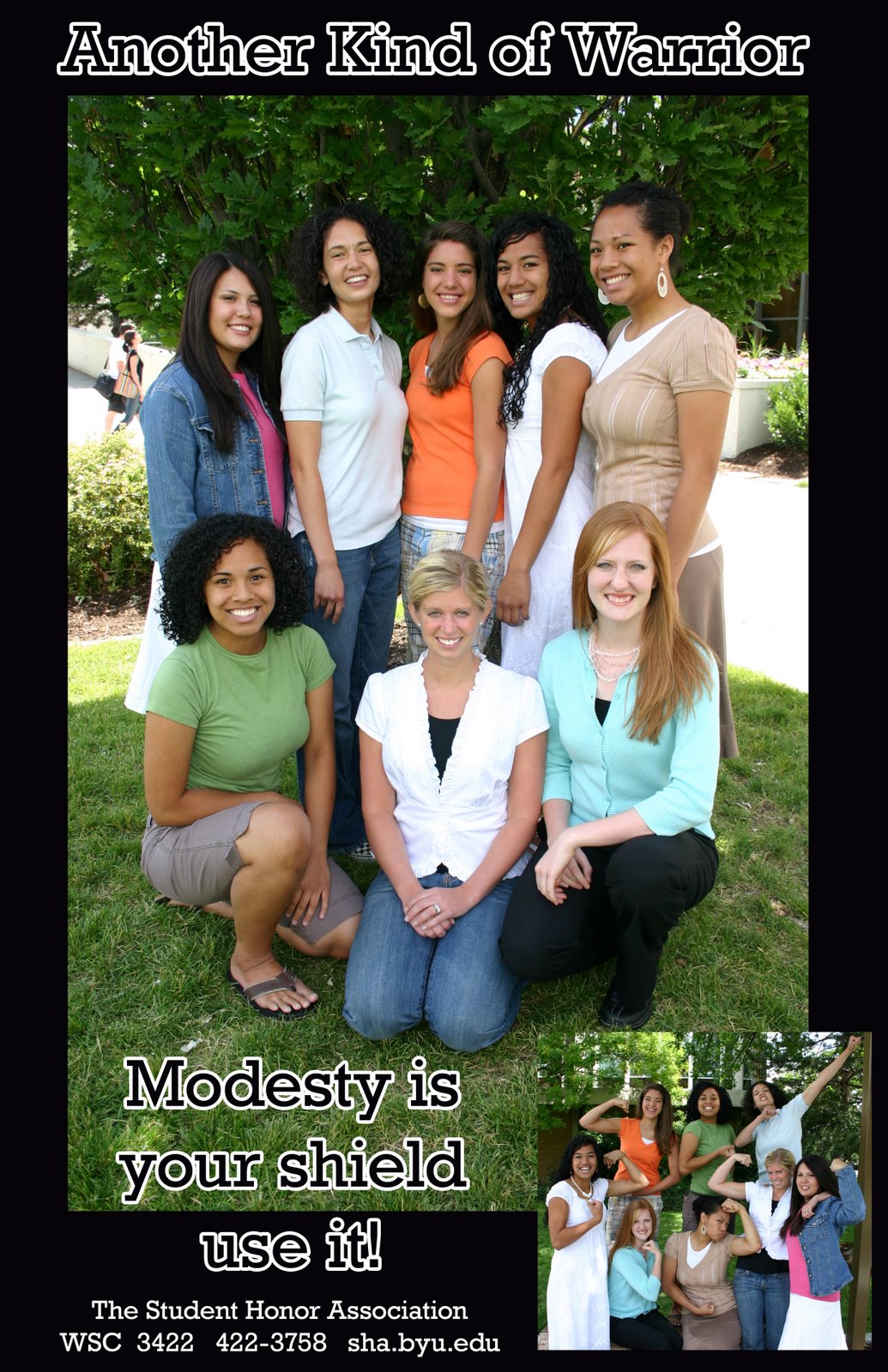
Yan sent me this link to the Brigham Young University dress code. Here are some examples:

One of the things I think is really interesting is how aggressively multicultural the posters are. The Mormon church did not allow black men to be priests (and therefore they could not ascend to the highest level of heaven) until 1978.

Thanks Yan!

dg_girl_down

Borrowed from Grad Student Madness.

Discussion of gender bending and transgender children on The View:[youtube]http://www.youtube.com/watch?v=78ND3vqPz90[/youtube] 

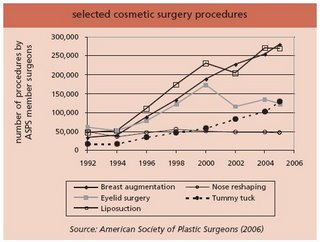
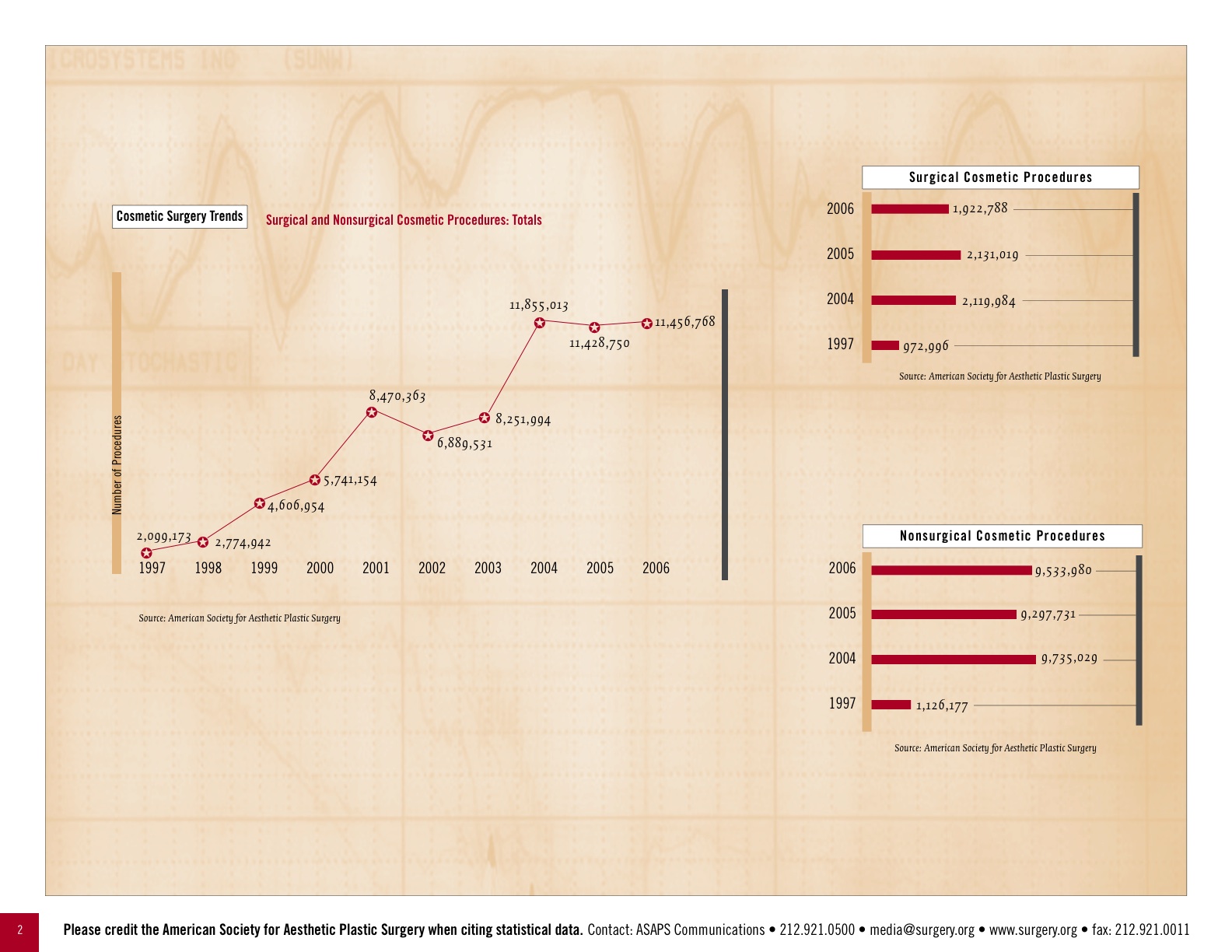
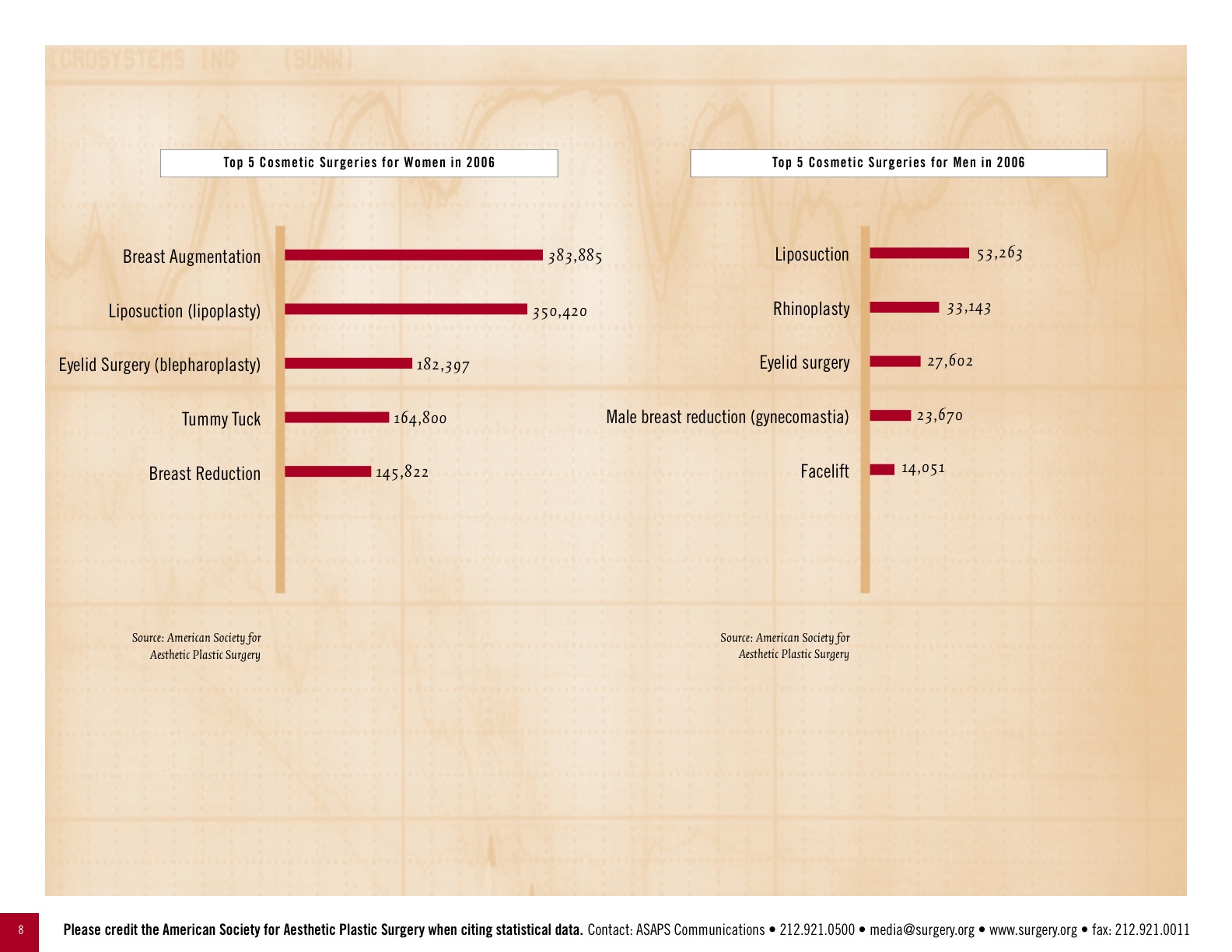
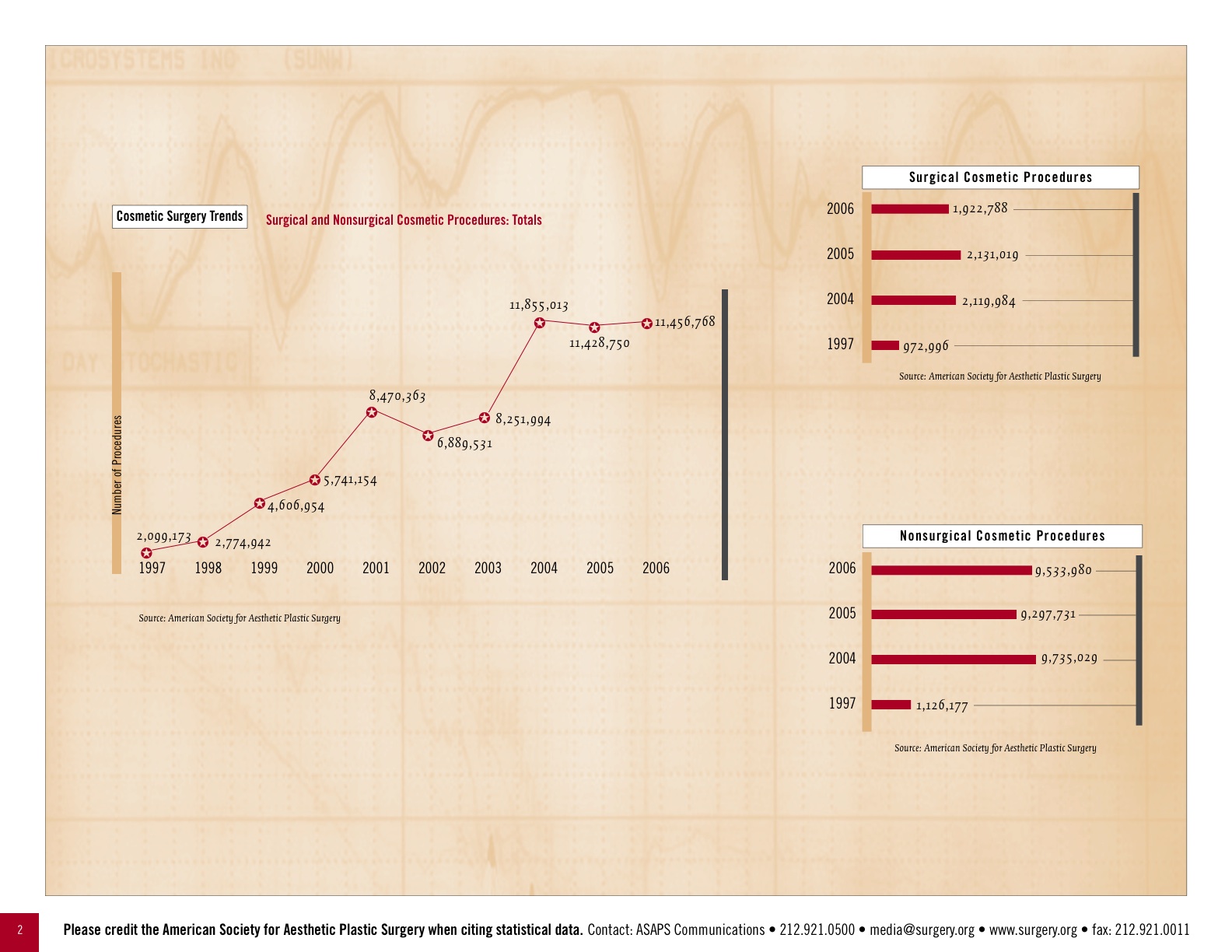
Data on the prevalence of cosmetic surgery is notoriously difficult to find. This is data on the five most common procedures, according to one association’s members. Pretty amazing.

Surgical and non-surgical procedures (2006):

10-year comparison:

Most popular procedures by gender:

Found here.


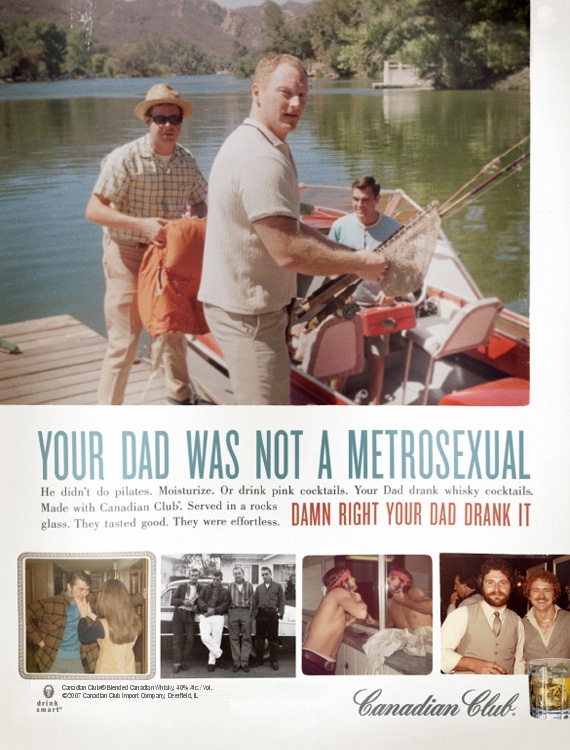
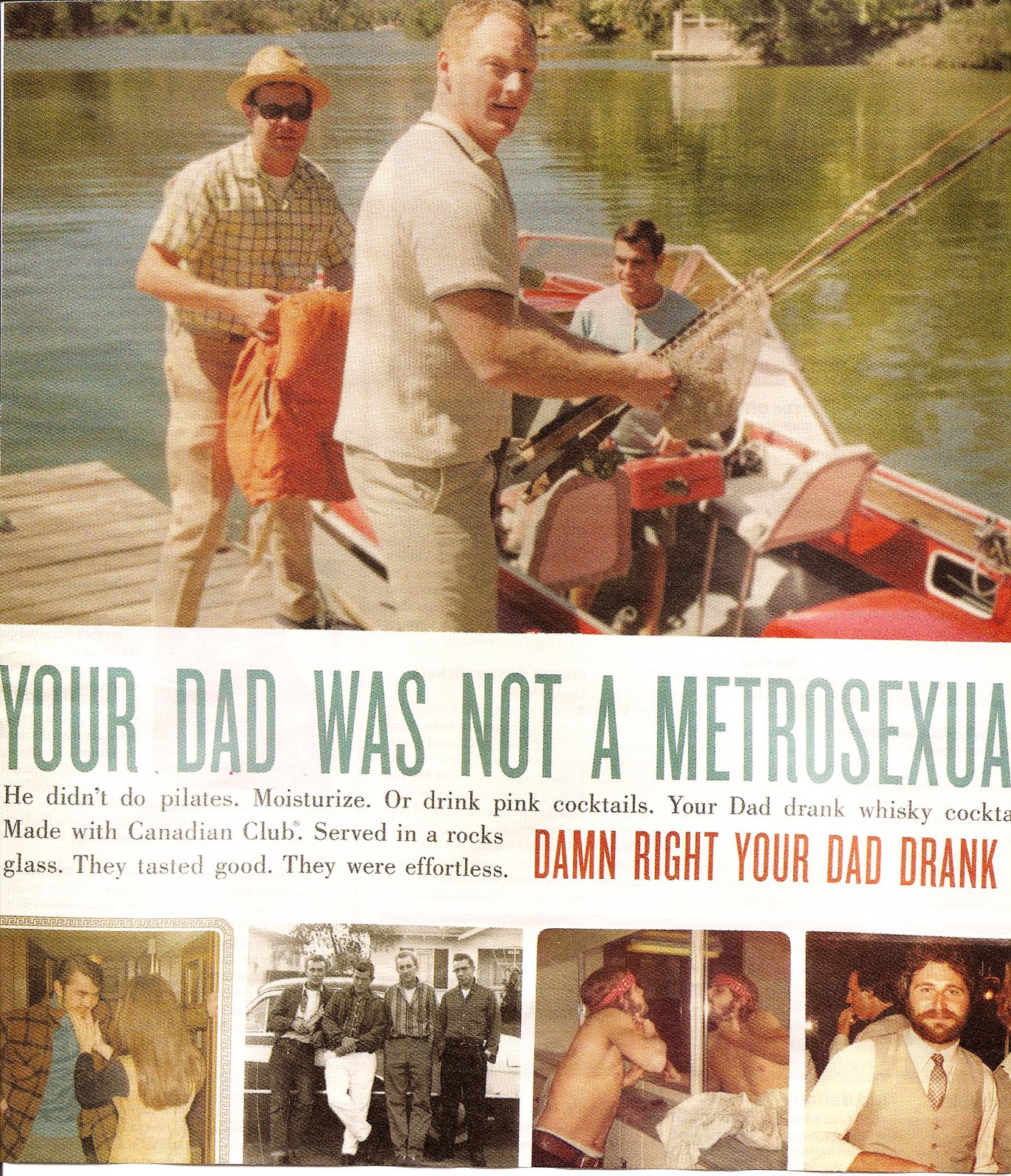
Text:

YOUR DAD WAS NOT A METROSEXUAL. H didn’t do pilates. Moisturize. Or drink pink cocktails. Your Dad drank whisky cocktails. Made with Canadian Club. Served in a rocks glass. They tasted good. They were effortless. DAMN RIGHT YOUR DAD DRANK IT.

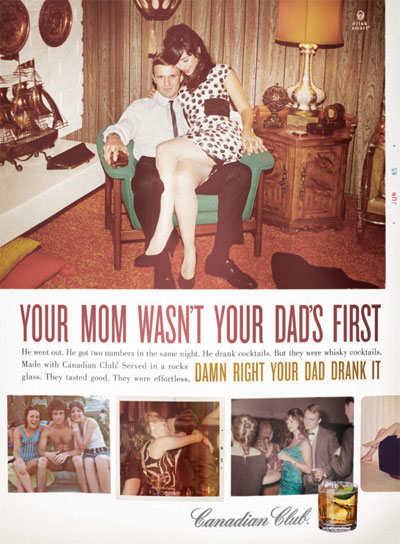
Toph sent in another Canadian Club ad that makes it clear that it’s awesome if your dad was a player:

your-mom-wasnt400.jpg

Text:

Your Mom wasn’t your Dad’s first.  He went out.  He got two numbers in the same night.  He drank cocktails.  but they were whisky cocktails.  Made with Canadian Club.  Served in a rocks glass.  They tasted good.  They were effortless.

I’m going to use this to talk about the sexual double standard–try to imagine the same ad, but saying “Your dad wasn’t your mom’s first” with pictures of her with several different men. I don’t think the impression would be the same.

Thanks, Toph!

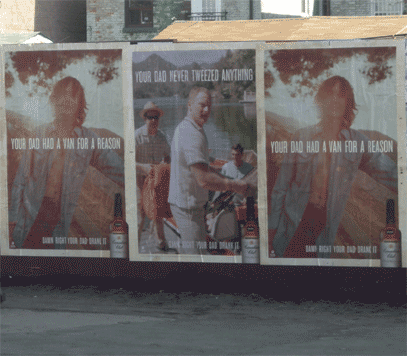
NEW: Outdoor version of “Your Dad had a van for a reason.”