

I recently attended the massive American Public Health Association meetings in Denver, where there were a number of scientific sessions on topics related to reproductive and sexual health. One of the more exciting sessions for me was a session on “Sexual Health Issues of Youth,” where Professor Lisa Lindley (Global & Community Health, George Mason University) discussed the philosophy and impact of a creative sex education program called “Project Condom.” This program combines the concept of “Project Runway” with condom couture for the intended impact of promoting safer sex.
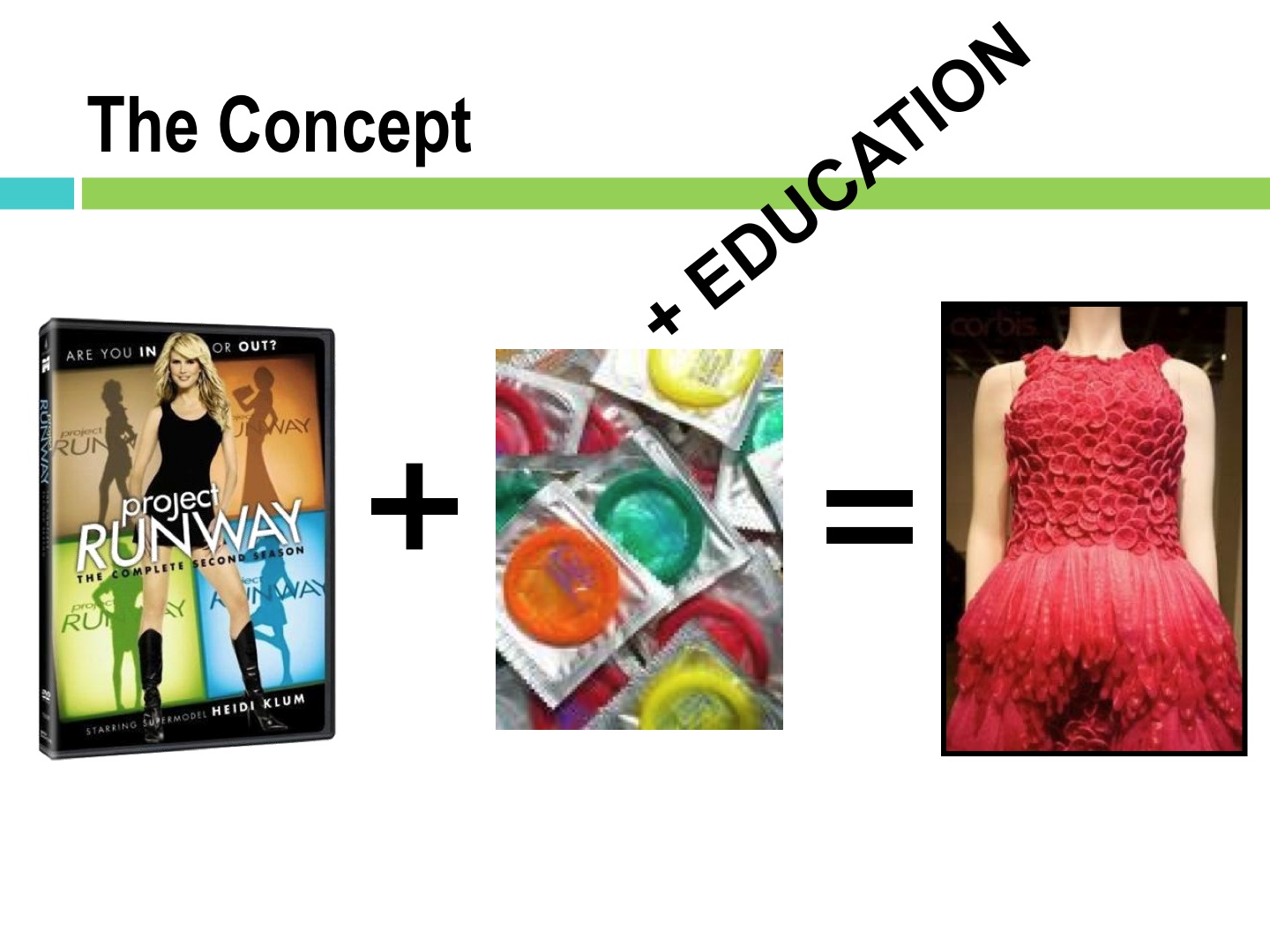
“Project Condom” is the creative brainchild of Ryan Wilson, who works in Student Health Services at University of South Carolina. Together with Lindley (who was then a professor at USC) and a team of USC faculty, staff, and students, Wilson has now seen Project Condom through its third season. (In addition to being inspired by Project Runway, Wilson’s team was also extending the work of Adriana Bertini, a designer/activist credited for creating the idea of condom couture.)
Student groups participating in Project Condom are provided with 1,000 condoms in assorted colors. Each group develops a PG-13 theme for their design (e.g. pregnancy prevention, STI/HIV protection, abstinence). The judges (most recently including Santino Rice from Project Runway) rate the designs on 5 criteria: Overall concept and theme, use of condoms or abstinence symbol, creativity, stage presence, and interview justification. To see video footage of Project Condom click here: Project Condom, Season 3
Besides offering a forum for artistic expression, there is evidence that Project Condom is increasing both awareness of sexual health and propensity for using condoms amongst USC students. (Evidence based on surveys of audience members of Project Condom as well as increased volume of free condoms being taken on campus).
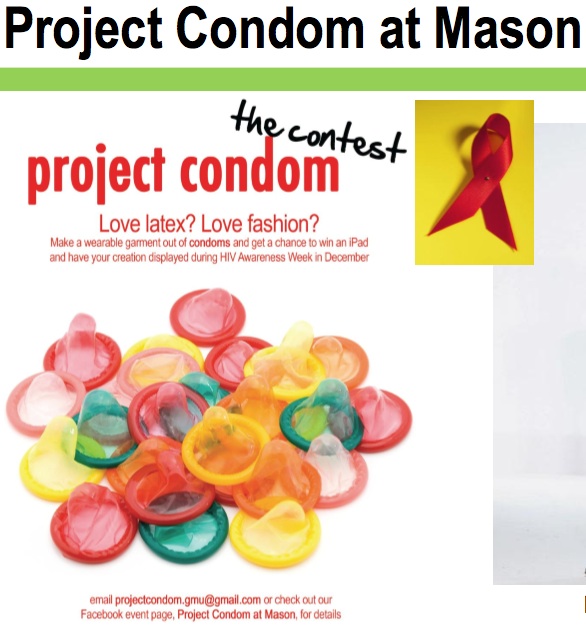
Project Condom is now being replicated at George Mason University as well:
We at Sexuality & Society applaud Wilson, Lindley, and the Project Condom team for this promising Sexual Health approach!




 Similar structural and cultural analyses incorporating masculinity and institutional/political power could and should also be applied to the other stars of this story, including:










 Dr. Phil was one of the first to discuss this on a national stage with a show in April 2009 called, “Scary Trends: Is your Child at Risk?” In the video promo for the show, Dr. Phil warns in his classic fatherly drawl: “There are some dangerous trends popping up in schools everywhere, and you may not even know if your children are getting involved.”
 sent a nude photo of herself to her boyfriend, and in retaliation when they broke up the boyfriend sent the photo to a group of younger girls. The younger girls ran with the photo, using it as a powerful social shaming tool (which of course can only work within a social context where girls’ sexuality is shameful). In an interview with
  sent a topless photo of herself to a boy crush. The boy showed the photo to a friend, who embraced the opportunity to gain social power by sharing it widely with kids in that school and neighboring schools. The following comes from a story about Hope on
 Ferber: Last Friday, the FDA approved the Gardasil vaccine for use in boys and men ages 9 to 26 years old. When I heard this news, I was surprised. My daughter received the vaccine from her physician, and I had always thought of this as a “cervical cancer vaccine.” The reality, however, is that this is a HPV vaccine, to guard against the sexually transmitted Human Papillomavirus. Why, however, is it only now being approved for males, when it was approved three years ago for females? … Why do you think Merck first sought FDA approval of Gardasil only for women?
 Nack: Only going through the FDA testing and approval process for women allowed Merck to brand Gardasil as a ‘cervical cancer’ vaccine. Prior to the recent FDA approval of Gardasil for use on male patients, most Gardasil ads have claimed to empower girls and young women with a new tool to protect against cervical cancer. But, it is not clear how many Americans have understood that they were being sold a vaccine designed to protect against a STI.