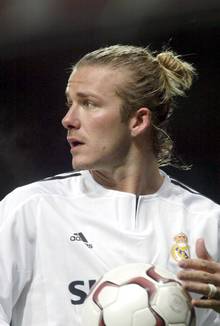
Singer-songwriter Hozier played “guess the man buns” on VH1, and Buzzfeed facetiously claimed they had “Scientific Proof That All Celebrity Men are Hotter with Man Buns.” Brad Pitt, Chris Hemsworth, and David Beckham have all sported the man bun. And no, I’m not talking about their glutes. Men are pulling their hair back behind their ears or on top on their heads and securing it into a well manicured or, more often, fashionably disheveled knot. This hairstyle is everywhere now: in magazines and on designer runways and the red carpet. Even my neighborhood Barista is sporting a fledgling bun, and The Huffington Post recently reported on the popular Man Buns of Disneyland Instagram account that documents how “man buns are taking over the planet.”

At first glance, the man bun seems a marker of progressive manhood. The bun, after all, is often associated with women—portrayed in the popular imagination via the stern librarian and graceful ballerina. In my forthcoming book, Styling Masculinity: Gender, Class, and Inequality in the Men’s Grooming Industry, however, I discuss how linguistic modifiers such as manlights (blonde highlights for men’s hair) reveal the gendered norm of a word. Buns are still implicitly feminine; it’s the man bun that is masculine. But in addition to reminding us that men, like women, are embodied subjects invested in the careful cultivation of their appearances, the man bun also reflects the process of cultural appropriation. To better understand this process, we have to consider: Who can pull off the man bun and under what circumstances?
I spotted my first man bun in college. And it was not a blonde haired, blue eyed, all American guy rocking the look in an effort to appear effortlessly cool. This bun belonged to a young Sikh man who, on a largely white U.S. campus, received lingering stares for his hair, patka, and sometimes turban. His hair marked him as an ethnic and religious other. Sikhs often practice Kesh by letting their hair grow uncut in a tribute to the sacredness of God’s creation. He was marginalized on campus and his appearance seen by fellow classmates as the antithesis of sexy. In one particularly alarming 2007 case, a teenage boy in Queens was charged with a hate crime when he tore off the turban of a young Sikh boy to forcefully shave his head.
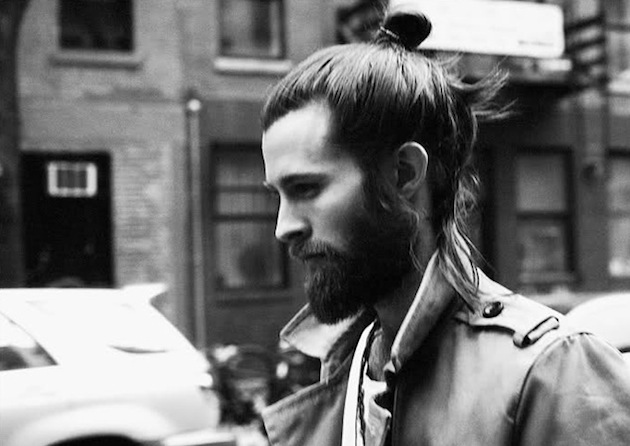
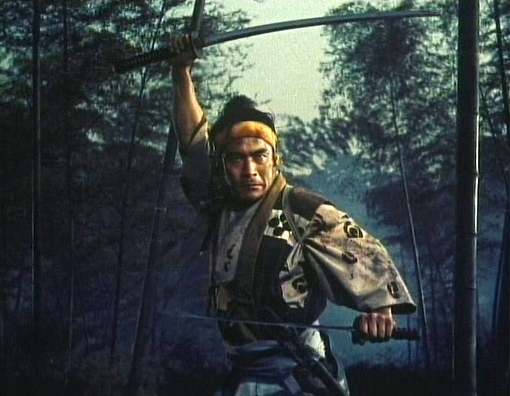
A journalist for The New York Times claims that Brooklyn bartenders and Jared Leto “initially popularized” the man bun. It’s “stylish” and keeps men’s hair out of their faces when they are “changing Marconi light bulbs,” he says. In other words, it’s artsy and sported by hipsters. This proclamation ignores the fact that Japanese samurai have long worn the topknot or chonmage, which are still sported by sumo wrestlers. Nobody is slapping sumo wrestlers on the cover of GQ magazine, though, and praising them for challenging gender stereotypes. And anyway, we know from research on men in hair salons and straight men who adopt “gay” aesthetic that men’s careful coiffing does not necessarily undercut the gender binary. Rather, differences along the lines of class, race, ethnicity, and sexuality continue to distinguish the meaning of men’s practices, even if those practices appear to be the same. When a dominant group takes on the cultural elements of marginalized people and claims them as their own—making the man bun exalting for some and stigmatizing for others, for example—who exactly has power and the harmful effects of cultural appropriation become clear.
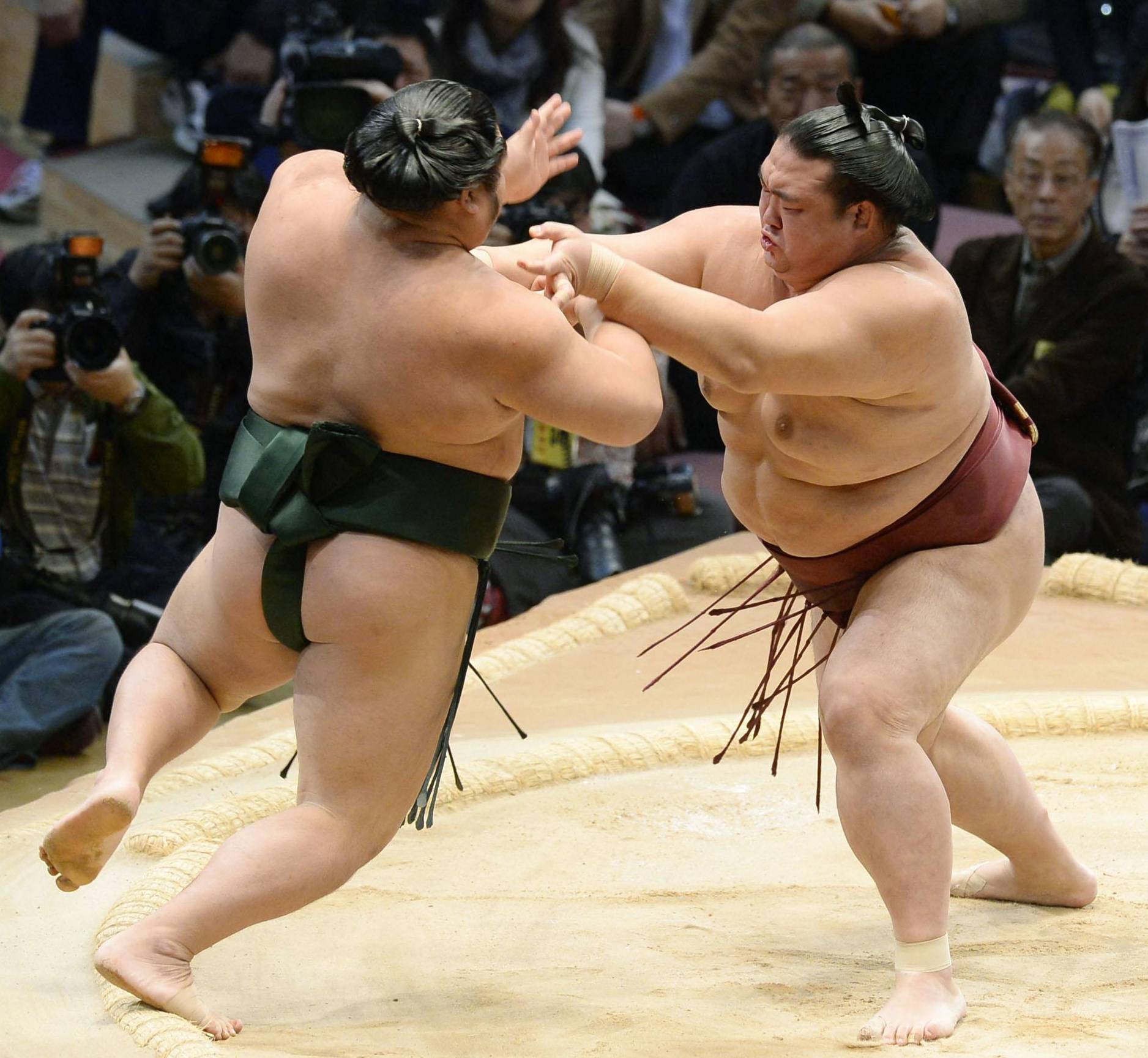
Yes, the man bun can be fun to wear and even utilitarian, with men pulling their hair out of their faces to see better. And like long-haired hippies in the 1960s and 1970s, the man bun has the potential to resist conservative values around what bodies should look like. But it is also important to consider that white western men’s interest in the man bun comes from somewhere, and weaving a narrative about its novelty overlooks its long history among Asian men, its religious significance, and ultimately its ability to make high-status white men appear worldly and exotic. In the west, the man bun trend fetishizes the ethnic other at the same time it can be used to further marginalize and objectify them. And so cultural privilege is involved in experiencing it as a symbol of cutting-edge masculinity.
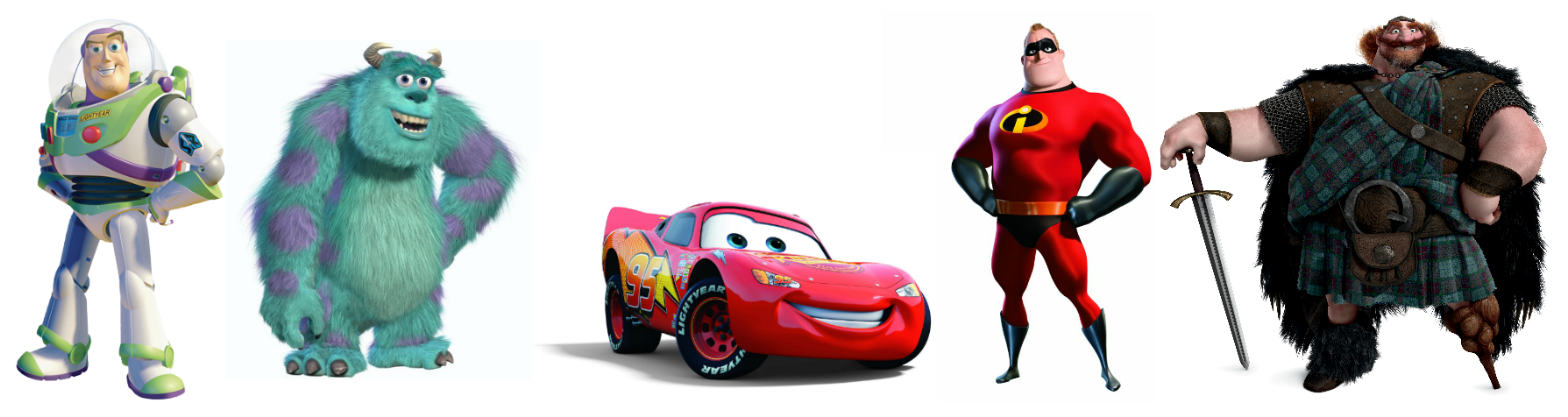
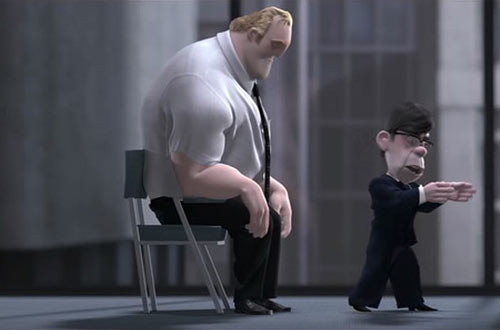 In The Incredibles, Bob Parr’s incredible strength and monstrous body look silly accomplishing domestic tasks or even occupying a traditionally domestic masculinity. His small car helps is body appear laughable in this role as he drives to work. At work, Bob’s desk plays a similar role. His body is depicted as not belonging there—domesticity is symbolically holding him back. This sort of “crisis of masculinity” narrative plays out in the stories of many of these characters. So, when they occupy the role they are initially depicted as denying, the narrative creates a frame for the audience to collectively experience relief as they take on the heroic roles for which their bodies symbolically situate them as more naturally suited. The scene in The Incredibles in which Bob Parr (Mr. Incredible) quits his job by punching his boss (whose physically inferior body is regularly situated alongside Bob’s for comic relief) through a wall is perhaps the most exaggerated example of this. The pleasures these films invite us to share at these moments when gendered hierarchies of embodiment are symbolically put on display play a role in reproducing inequality.
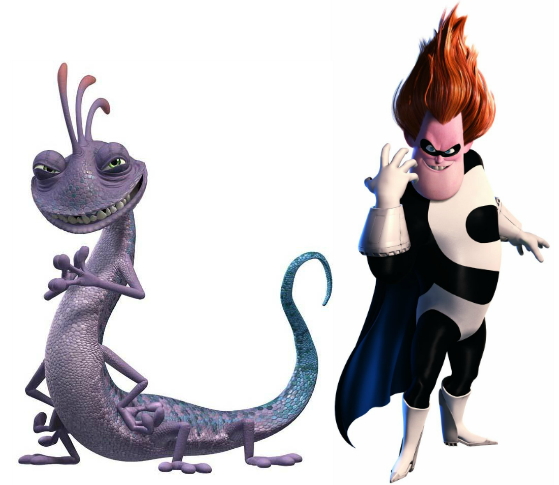 Indeed, side-kicks and villains are most often depicted as occupying masculine bodies less worthy of status. These masculine counter-types (like Randall in Monsters Inc., Sid Phillips in Toy Story, or Buddy Pine/Syndrome in The Incredibles) embody masculinities portrayed as “deserving” the “justice” they are served.