
New & Noteworthy
- Diverse Gender Beliefs Amongst Muslim Americans by Francesca Bernardino highlights new research on how Muslim Americans construct gender ideologies amid Islamophobic stereotypes. The study finds that negative views of Islam as patriarchal shape how Muslim men and women navigate and express beliefs about gender. Based on interviews with 80 participants, the researchers identify two main positions—one defends Islamic doctrine as respectful of natural gender differences, while the other critiques patriarchal practices in Muslim communities and looks to Western norms as more egalitarian.
From the Archives
- The wage gap continues to grow. This piece from CCF by Tania Cabello-Hutt covers how even when men and women follow similar work patterns over their lives, women still earn less—revealing that steady employment alone won’t close the gender wage gap.
- The birth rate in many countries also continues to steadily decrease, which may have many consequences in coming decades. This piece by Mahala Miller covers how economic downturns like the Great Recession led to lower birth rates, more young adults living with parents, and increased family strain—trends that have only deepened in recent years as rising costs, housing shortages, and pandemic fallout continue to reshape family life.
More from our Partners & Community Pages
- Letter from the Editors: Spring 2025 by Amin Ghaziani and Seth Abrutyn highlights the Spring 2025 issue, with anti-trans policies and the broader “war on woke” are fueling erasure—from Stonewall to statehouses—making the call to “protect the dolls” more urgent than ever. The issue responds with research on DEI, queer identities, healthcare debt, and more, showing what’s at stake when inclusion is under attack.
- Social Theory Re-Wired offers a fresh take on teaching classical and contemporary theory by using technology as both theme and metaphor. In this interview, authors Wesley Longhofer and Daniel Winchester share how their book encourages students to see theory as a living conversation—one they’re already part of, and one with deep public roots.
Center for Holocaust and Genocide Studies
- Learning Together, Teaching Forward reflects on a recent two-day educator workshop hosted by the Center for Holocaust and Genocide Studies in partnership with Yahad–In Unum. Aga Fine highlights how Yahad’s global work uncovering mass violence and amplifying survivor voices deepened participants’ understanding of genocide—and offered new tools for teaching these histories with care and urgency.
Council on Contemporary Families
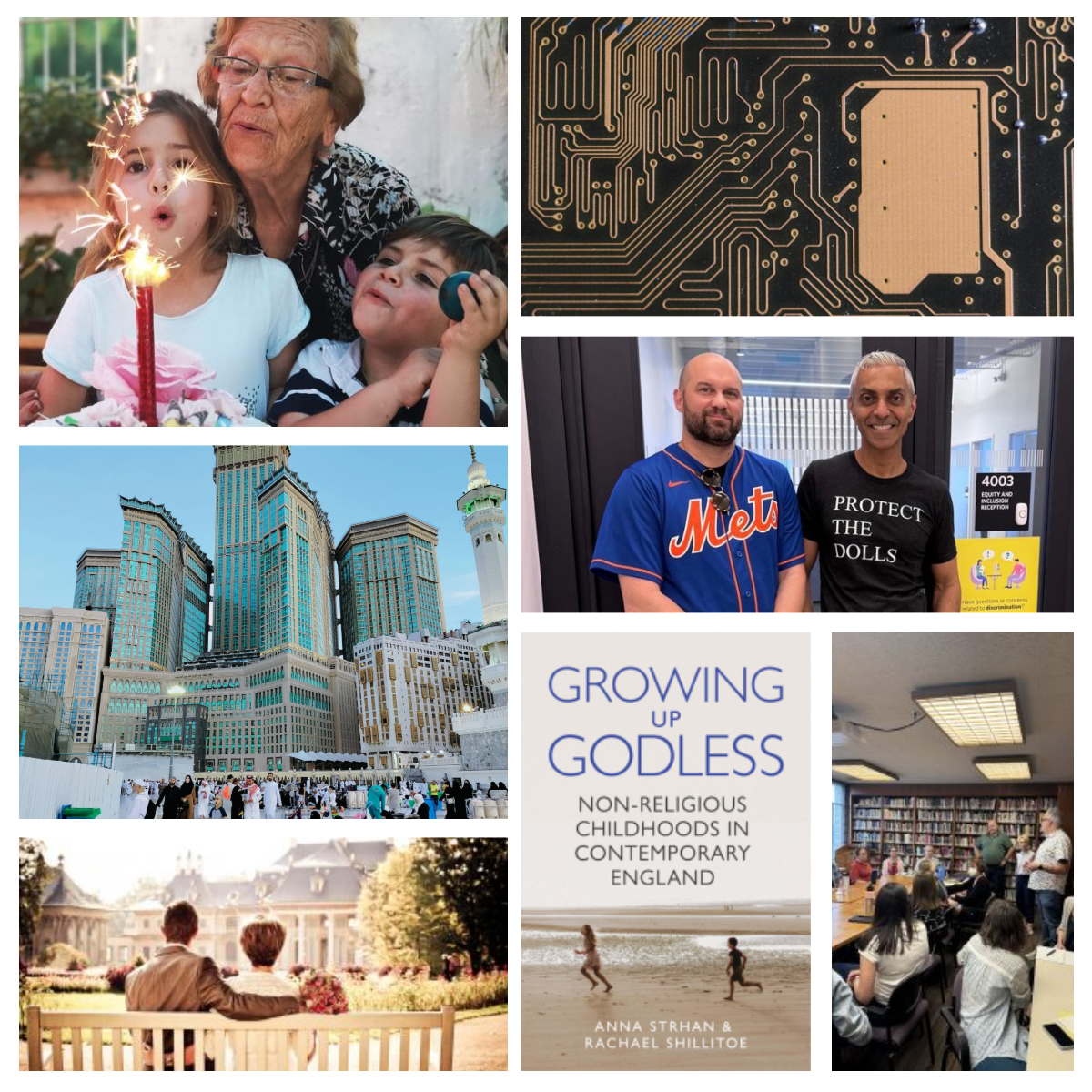
- Growing Up Godless explores how non-religious children in England develop rich moral worlds, playful beliefs, and meaningful rituals outside of religion. In this interview, co-authors Anna Strhan and Rachael Shillitoe discuss how families and schools shape a secular humanist culture that emphasizes autonomy, equality, and wonder.
- Queer Women and the Question of Marriage in the United States: Desire, Ambivalence, and Resistance explores how queer women navigate desire, ambivalence, and resistance toward marriage in a post-legalization era. Sarah Adeyinka-Skold reveals that while many view marriage as a path to legitimacy or a space for queering tradition, others remain wary of its inequalities, class dynamics, and uncertain legal future.
Comments