
New & Noteworthy
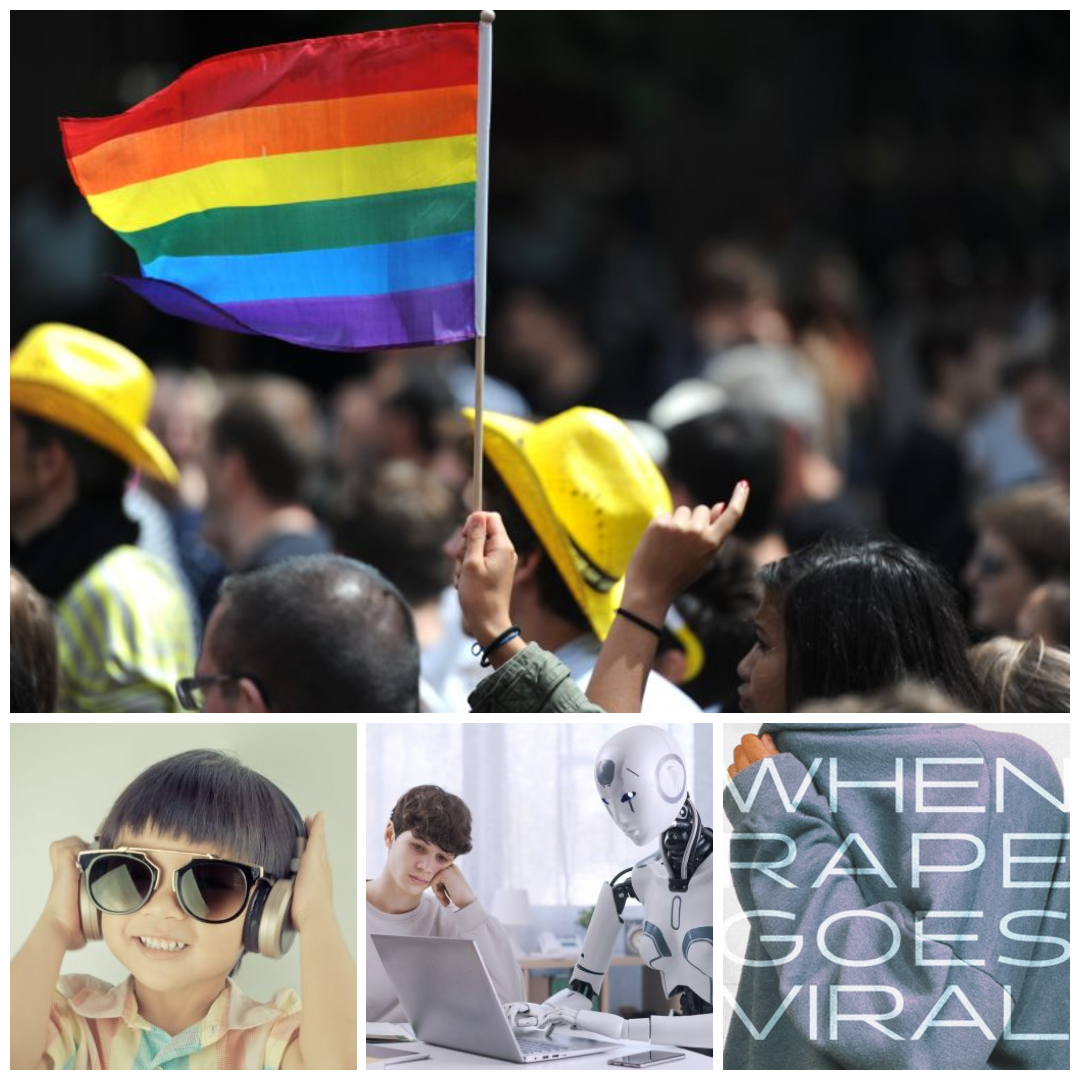
- “I pretty much just stick to ‘queer’ [in Vancouver], but when I’m in Texas, … it’s ‘gay’.” Gay in Texas, Queer in Vancouver by Anastasia Dulle summarizes research by Andy Holmes and Amin Ghaziani on why LGBTQ+ people use different labels in different contexts. [2 min read]
From the Archives
- TikTok was abuzz this week with many “apocalyptic influencers” believing that the rapture would take place on September 23rd, 2025. For those of us left behind, check out this 2008 article by Brooke Harrington on how Christian Protestant ideas about the “end of days” enable economic inequality. [4 min read]
- On Monday, President Trump told pregnant women not to take Tylenol during pregnancy, despite inconclusive evidence linking the drug to autism. Some worry the President’s comments contribute to a pattern of “mother blame,” where women are held responsible for children’s outcomes by sexist and perfectionistic standards. In this piece for Girl w/ Pen, Alison Piepmeier responds to perceived “mother blame” in Annie Murphy Paul’s 2010 book, Origins. [3 min read]
More from our Partners & Community Pages
- In Parental Profiteering, Colter J. Uscola spotlights research in New Media & Society by Tom Divon, Taylor Annabell, and Catalina Goanta that explores the legal and ethical implications of “kidfluencers” on TikTok. [2 min read]
- In GED to PhD, Chandra Reyna draws on her experience in the McNair Postbaccalaureate Achievement Program to make the case against a Trump administration proposal to cancel it. McNair aims to “increase the attainment of Ph.D. degrees by students from underrepresented segments of society.” It is one of several similar government programs at risk of being eliminated. [4 min read]
- In Working For AI, Jeffrey C. Dixon voices his concerns about the fast-proliferating technology from his perspective as a sociologist of work, neoliberalism, and AI. [5 min read]
Council on Contemporary Families
- Anna Gjika was interviewed by Alicia M. Walker on her new book, When Rape Goes Viral: Youth and Sexual Assault in the Digital Age. Gjika discusses what she learned from conversations with teens about image-based sexual abuse, and why adult surveillance of teens’ digital lives might do more harm than good. [7 min read]
Comments