
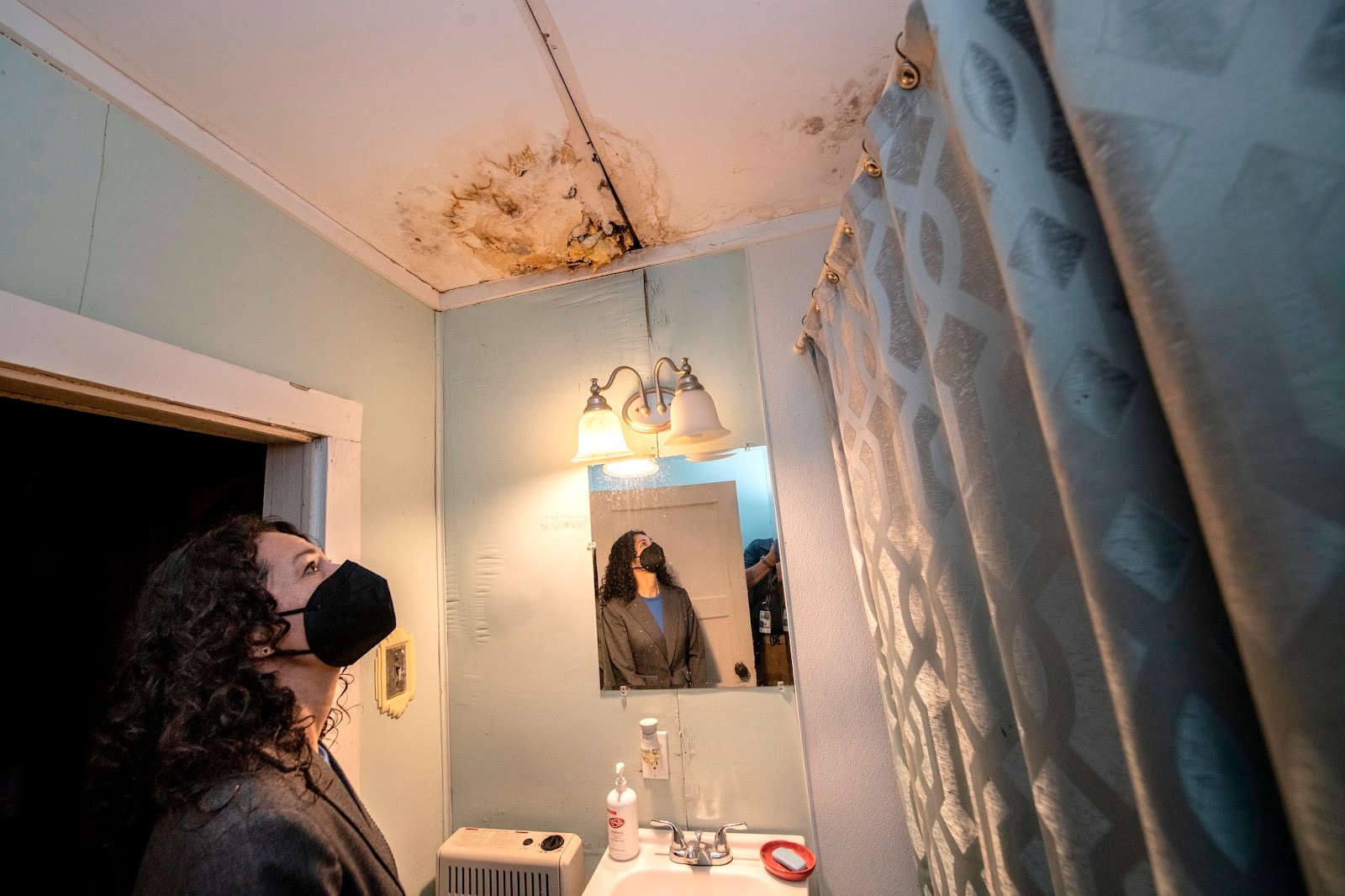
As housing costs rise, there are far fewer options that renters, and especially low-income households, can afford. Additionally, most renters want to avoid moving so they can remain close to their jobs or their children’s schools, or simply live in a neighborhood they value. A new study by Steven Schmidt highlights the poor housing conditions and maintenance struggles many renters endure to avoid moving or being displaced.
Schmidt interviewed 131 low- and middle-income renter households in Los Angeles. In these interviews, Schmidt learned that low-income renters commonly endure conditions of disrepair, such as mold, leaking ceilings, or lack of heating, just to stay in their homes. These renters had to make difficult or even agonizing decisions when their landlords failed to fix the issues.While renters have the right to report maintenance delays, this does not come without risk. The renters interviewed often feared that their landlord might retaliate by increasing rent, evicting them, or withholding future repairs. Even when they knew they could notify city authorities about the neglect, some renters did not report it, fearing harassment if the landlords found out.
Even in cases where units finally did get repaired, the repairs were sometimes inadequate. For example, some landlords would paint over the discoloration caused by a leak without actually fixing the cause of the leak. Faced with these conditions, renters sometimes relied on their own resources, paying out of pocket or trying to repair the damages themselves. This caused further mental and financial stress, particularly for low-income households.
These trade-offs show how different conditions in the rental market can widen inequalities between low-income and middle-income renters. Families that can’t afford to move often have to endure unsafe and stressful housing conditions, which threatens their health and safety and can be more expensive in the long run. To better support the health and housing security of tenants, the author recommends some key policy interventions, including targeting landlords’ retaliatory practices and creating stronger regulations for housing safety.
————–
Luna Iman is an interdisciplinary researcher with experience in the field of architecture, built environment, and urban planning. Originally from Jakarta, Indonesia, growing up in the largest urban metropolitan area in South East Asia led to her interest in the dynamics of urban sociology and policy. Her specific research interests are broadly in urban sociology, and more specifically on urban informality, housing policy and justice, population and migration studies.
Comments