Archive: Oct 2025

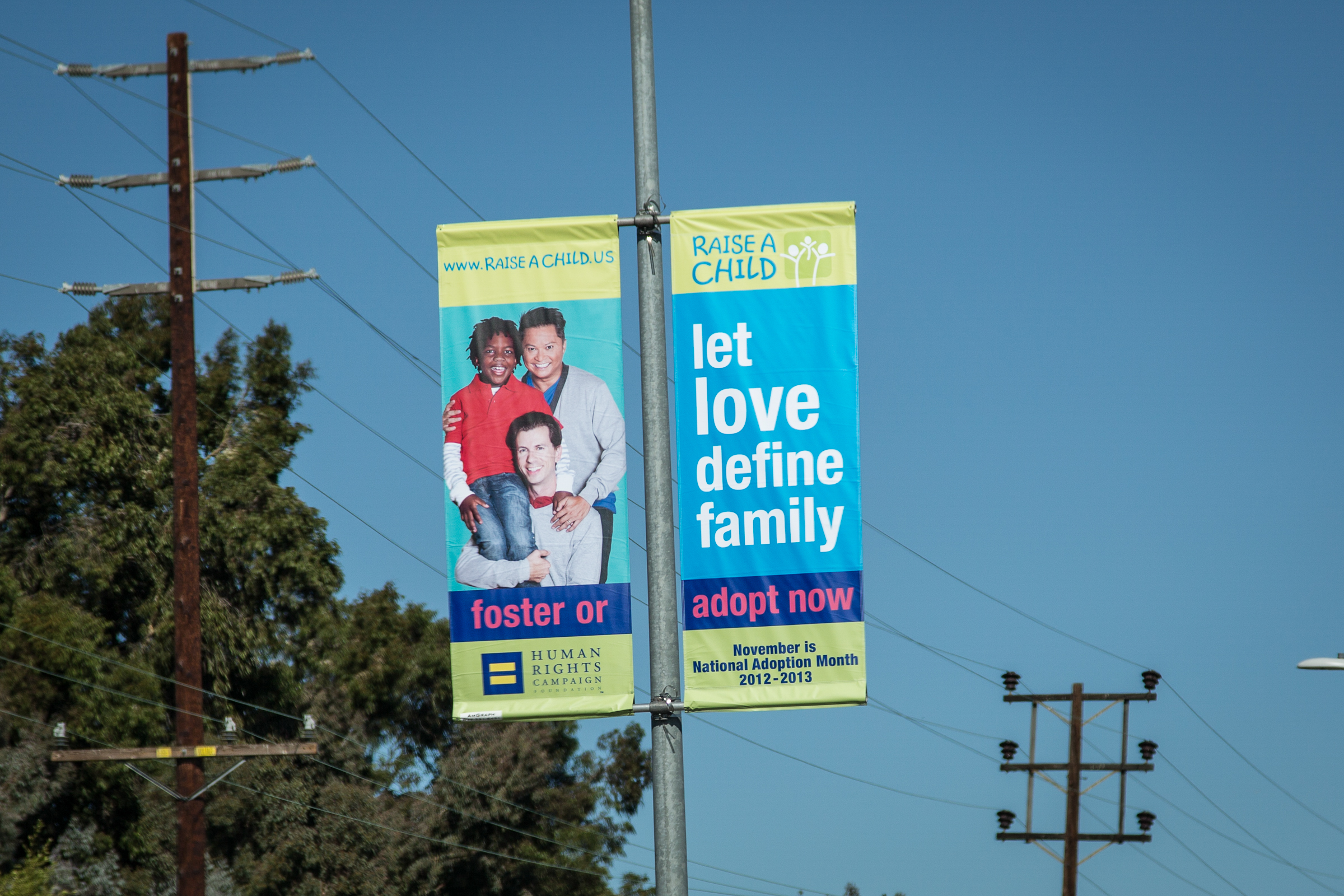
Banners depicting a couple hugging a child read “let love define family” and “foster or adopt now.” HRC Let Love Define Family Los Angeles Adoption from Wikimedia Commons by Tony Webster under the Creative Commons Attribution-Share Alike 4.0 license.

Public support for same-sex marriage has climbed dramatically in recent decades, but how have attitudes toward same-sex parents evolved? In a new study, Wendy D. Manning and Kristen E. Gustafson examined changes in public opinion on same-sex parenting over the past decade, comparing responses from the 2012 and 2022 General Social Survey (GSS). They find that acceptance of same-sex parents has increased dramatically across all demographics, though differences persist depending on political beliefs, religious affiliation, and geographic location.

In 2012, 46% of Americans agreed that same-sex female couples could parent just as well as heterosexual couples, and 43% said the same for same-sex male couples. By 2022, these numbers had risen sharply to 63% and 61%, respectively. Support increased across all demographic groups (sex, race/ethnicity, education, family background, age, parenthood status), including conservative and highly religious respondents, though at a slower pace and to a lower extent. 

The study found that while approval increased for both, Americans consistently showed greater acceptance of same-sex female parents than same-sex male parents. Regional differences were also persistent, with New England consistently reporting the highest levels of approval in both 2012 and 2022. The largest increase in support occurred in the East South Central region (Kentucky, Tennessee, Mississippi and Alabama), while the West North Central (Iowa, Missouri, Nebraska, North Dakota, South Dakota, Minnesota and Kansas) and Mountain States (Arizona, Colorado, Idaho, Montana, Nevada, New Mexico, Utah and Wyoming) saw the smallest increases.

Even with these shifts in public opinion, Manning and Gustafson highlight a growing contradiction: even as more Americans support same-sex parenting, legal and political attacks on LGBTQ+ families persist. In 2023 alone, over 500 state-level bills targeting LGBTQ+ rights were introduced, some restricting adoption and parenting rights. Therefore, while broad social attitudes may be shifting toward greater inclusion, major structural barriers to family recognition and security remain entrenched in law and policy.

Manning and Gustafson’s findings provide an important update on attitudes toward same-sex parents, but they also raise important questions. If their basic legal rights are still under attack even as public support grows, what does this mean for LGBTQ+ families? 

A woman sitting on the edge of a dock looking out onto the water. Photo by Keenan Constance and licensed under Pexels License.

What happens in a romantic relationship when things turn violent? The common reaction is “just leave him” or “call the police” – but there are often many other ways female victims resist. A recent interview study by Lynette Renner, Carolyn Hartley, and Knute Carter explored the strategies of resistance taken by 150 different victims of intimate partner violence.

The study identified six common strategies that victims used to cope with or respond to abuse. These included seeking formal support, such as staying in a shelter or calling a hotline, or informal support, such as turning to social networks by talking with family or friends. Some pursued legal assistance by contacting the police or filing charges, while others engaged in safety planning behaviors like hiding money or keys in preparation to leave. Acts of resistance, such as fighting back or ending the relationship, were also common, as were placating strategies, where victims tried to keep the peace or avoid the abuser to reduce conflict. Victims often engaged in one or more of these strategies simultaneously.

After reviewing the data, they concluded there were 4 different “types of victims” based on different patterns of use of the above paths:

  • High Strategy Users (took all or almost all the above paths)
  • Moderate Strategy Resisters (took primarily the resistance path)
  • Moderate Strategy Placators (took primarily the placating path)
  • Low Strategy Users (least likely to commit to one path, especially safety planning)

In short, women experiencing relationship violence navigate different paths when faced with critical decisions about their safety. To offer meaningful support, advocates, service providers, and policymakers must recognize each survivor’s unique combination of risks, resources, and responses.

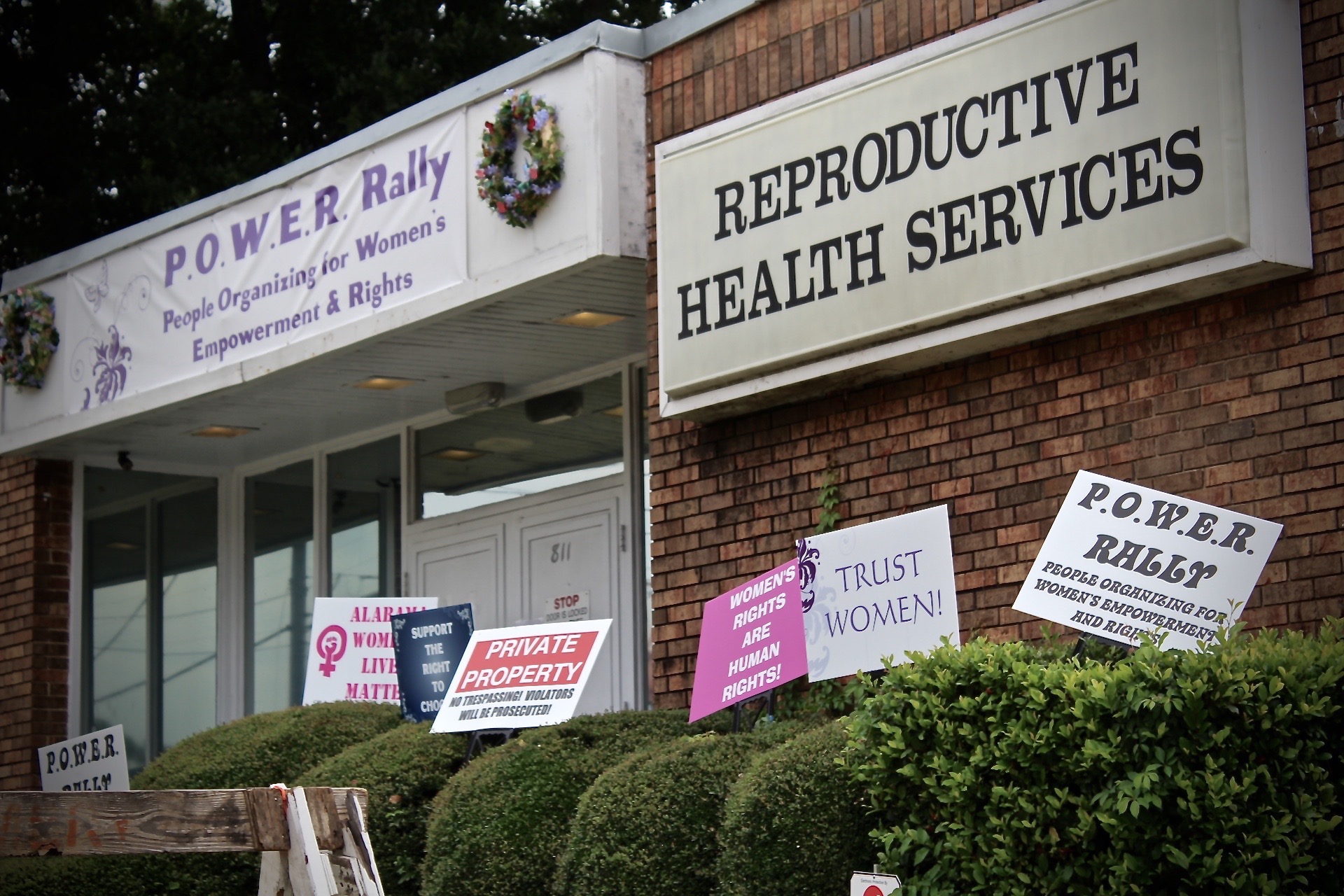
Reproductive Health Services Montgomery” by Robin Marty is licensed under CC BY 2.0.

Decades of research show that becoming a mother often leads to lower wages and fewer job offers, a phenomenon known as the “motherhood penalty.” Less attention has been given to how access to abortion – and the right to decide whether to carry a pregnancy to term – shapes women’s financial futures. A recent study by sociologists Bethany G. Everett and Catherine J. Taylor fills this gap by examining how abortion access – or its absence – influences women’s economic outcomes over time.

Using data from the National Longitudinal Study of Adolescent to Adult Health, Everett and Taylor tracked participants over 24 years to analyze the financial effects of growing up under more or less restrictive state abortion policies. Their study found that women who lived in states with more restrictive abortion policies as teenagers were less likely to graduate from college, had lower incomes, and experienced higher levels of financial instability in adulthood. For instance, women from states with more restrictive abortion policies were more likely to report falling behind on bills, facing eviction, and accumulating debt compared to those from states with less restrictive abortion policies.

Everett and Taylor also compared the economic trajectories of women who had abortions as teenagers to those who carried pregnancies to term. The researchers used a matching technique to pair women with similar characteristics to estimate how abortion affects socioeconomic outcomes. The results were stark: those who had abortions as teenagers were more likely to graduate from high school and college, had higher incomes, and reported greater financial stability in adulthood.

Everett and Taylor’s research shows that limited access to abortion is linked to long-term declines in education and economic stability. As the fight over abortion continues, their findings make clear that restricting abortion access isn’t just a threat to people’s health and autonomy – it can also impose hardship and deepen economic inequality.

Arpit Shah, Sneha Thapliyal, Anish Sugathan, Vimal Mishra, and Deepak Malghan, “Caste Inequality in Occupational Exposure to Heat Waves in India,” Demography, 2025
A black-and-white photo of a construction site in Kolkata, India, in July 1993.
Site Office Under Construction – Science City – Calcutta 1993-07-26 212” by Biswarup Ganguly is licensed under CC BY 3.0.

As average temperatures rise around the world, more and more people are being exposed to heat waves. From 2000-2016, the number of people exposed to extreme and unusual temperatures grew by 125 million. And while temperature doesn’t discriminate, people do. In a recent paper published in the journal Demography, a team of authors found that in India people from marginalized caste groups were more likely to be exposed to heat at work than people from dominant caste groups. They call this “thermal injustice.”

Caste is a complex social phenomenon found in many countries around the world which sorts people into social groups based on their ancestry. Researchers have long known that a person’s caste can influence many social opportunities and outcomes, such as what types of jobs they can get, how much money they can make, where they live, how long they live, and the quality of health care available to them. Now we can add risk of exposure to heat waves to the list.

The authors combined heat data from satellite imagery with data from a large survey. They focused on the heat waves that hit India during the summers of 2019 and 2022. While India is a large country with many climates, the temperature in Delhi, the national capital, reached 49°C (120°F) in May 2022. The authors found that people from more marginalized caste groups were more likely to be exposed to heat stress. This association was still present after they controlled for age, gender, education and economic status.

The likelihood of being exposed to extreme heat can depend on many social factors, including your job. If you spend your days in an air-conditioned office, for example, you will be cooler than someone who works on a construction site. But the bottom line is that while the influence of caste on India’s job market may be decreasing, most people who do physical labor outdoors come from marginalized caste groups. Thus, as heat-related public health initiatives in India are developed, caste and thermal injustice should be front and center.