
Archive: Mar 2022

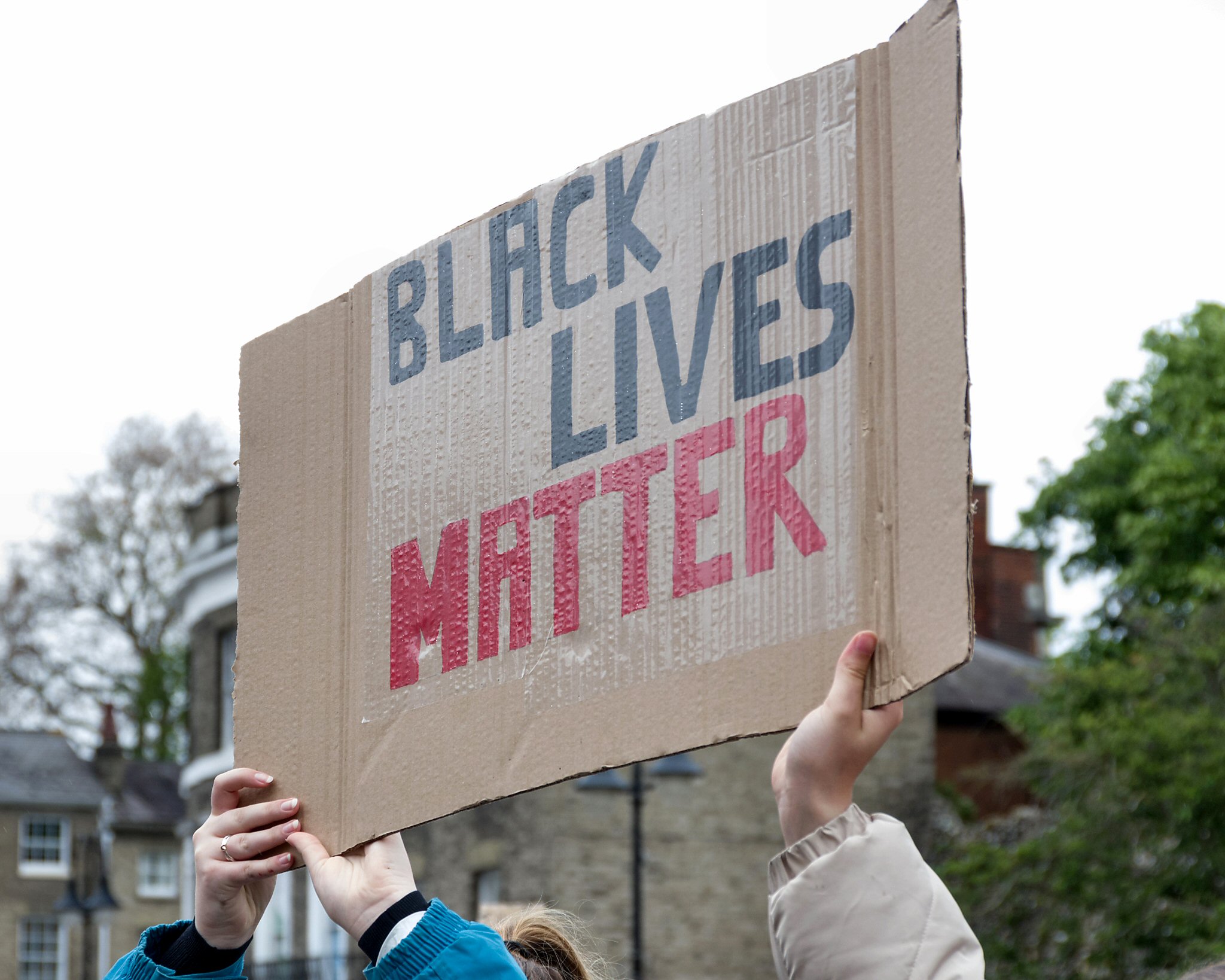
Black Lives Matter is written on a cardboard sign and held up in the air by a pair of white hands.
Image: Black Lives Matter is written on a cardboard sign and held up in the air by a pair of white hands. (sasatro/Flickr; distributed under the Creative Commons Attribution 2.0 Generic license)

After the wave of Black Lives Matter protests in the summer of 2020, the idea of being actively anti-racist, as opposed to simply “not racist” or “color-blind,” has gained popular attention. But does the general public agree that there is a distinction between being “not racist” and being “anti-racist”? According to a new paper by three sociologists, Samuel Perry, Joshua Grubbs, and Kenneth Frantz, the answer is no.

Perry, Grubbs, and Frantz begin from the claim that the language of “anti-racism” has increased in prominence over the last decade. They point to the proliferation of educational curricula incorporating this language, as well as a number of best-selling books. Data from Google shows that the use of terms related to anti-racism in books has spiked since 2013. And Google searches for “antiracist” peaked in the summer of 2020. Against this backdrop, the sociologists use survey data to explore which groups of Americans are most likely to identify as “anti-racist.” 

Unsurprisingly, the research team found that among the people surveyed, the strongest correlation for identifying as “anti-racist” is holding progressive views on racial issues.

Other findings were more surprising. For example,  the second-strongest correlation among all survey respondents with identifying as “anti-racist” was identifying as “color-blind.” In other words, many Americans identify as both “anti-racist” and “color-blind.” This discovery is intriguing because in recent years sociologists have tended to emphasize the more conservative effects of colorblindness rather than its more liberal or change-oriented dimensions.

The authors suggest that this is because both the terms “anti-racist” and “color-blind” read to whites as being liberal views on race, but not radical. This is in contrast to the academic discourse (and even some popular books) about these terms.

In addition, researchers also found that Black and Hispanic people were significantly less likely than white people to identify as “anti-racist.”  One reason for this may be that books, curricula, and other campaigns advocating for “anti-racism” are often targeted at white audiences. It also does not necessarily mean that white people more often behave in an anti-racist manner. People in general are likely to identify as “anti-racist,” regardless of their views on race. This includes those who would, for example, not confront a friend who made a racist comment.

This research reminds us that people’s conceptions of race are complicated and ever-changing. The way scholars understand race does not always line up with the general public.
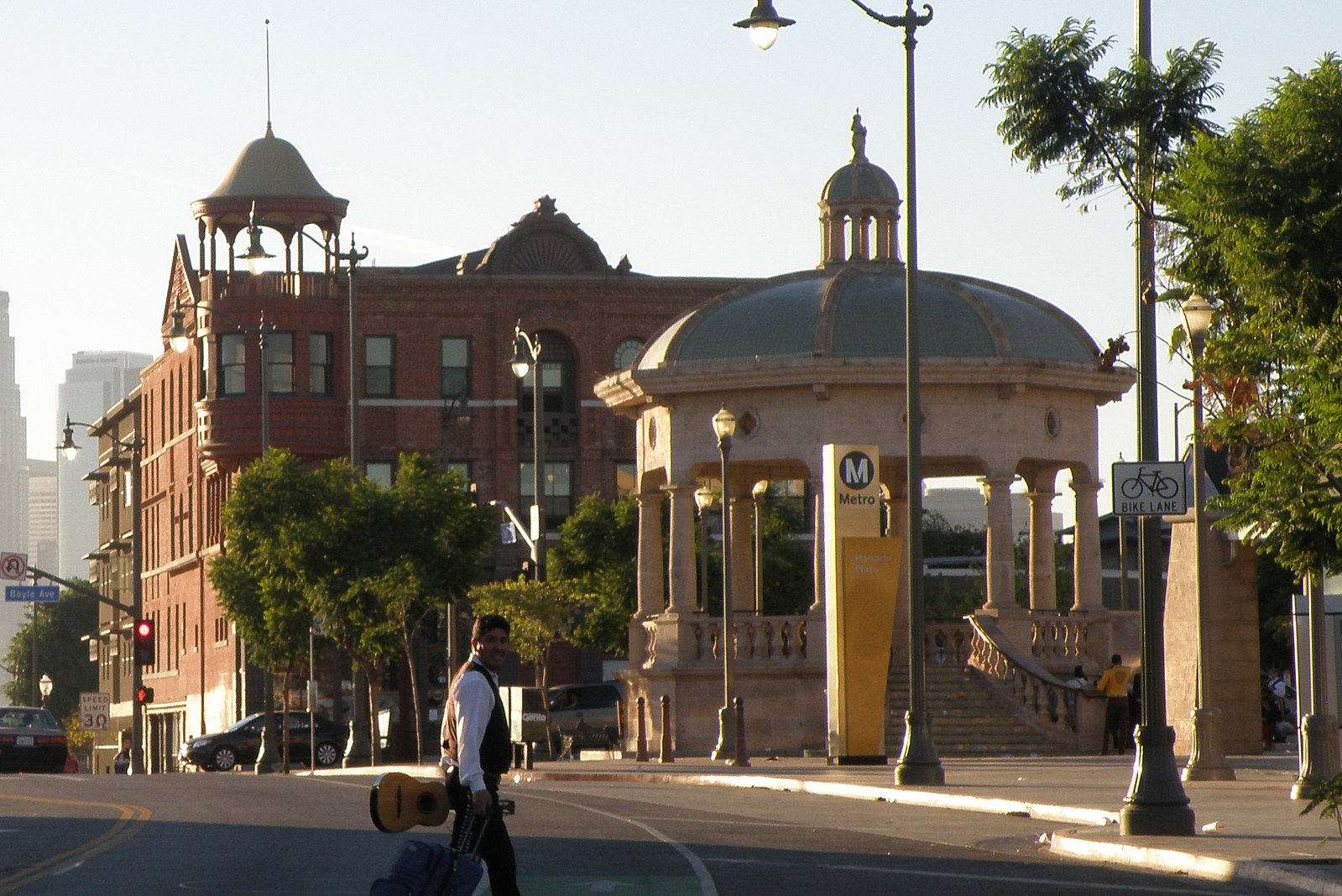
 

Image: Mariacha Plaza in Boyle Heights, looking West towards downtown Los Angeles. A mariachi musician crosses the street in the foreground, instrument in hand. Image courtesy of Wikimedia, CC BY-NC 2.0

We usually think about gentrification as the replacement of poor, non-white residents with white and affluent newcomersin city neighborhoods. According to this narrative, property values rise alongside an influx in amenities catering to a wealthy, whiter community. But an immersive new study from Alfredo Huante complicates that by showing how a changing working-class, Latinx neighborhood in LA grapples with affluent Latinx arrivals.

Using the case study of Los Angeles’ Boyle Heights barrio, Huante examines a process he calls “gente-fication.” During “gente-fication” educated, higher-income, and lighter-skinned Latinx move to historically working-class barrios. Instead of a process of “gentrification” where the “gentry,” or the elite and noble classes move to a neighborhood, “gente” describes a distinct process in which new, wealthier arrivals share  existing residents’ racial or ethnic background. Huante’s research moves beyond the black-white conflict usually associated with gentrification to emphasize tensions within the same racial and ethnic group that are present in the processes of neighborhood change in Boyle Heights. Huante draws on in-depth interviews with long-term barrio residents, community activists, and real estate agents, in addition to data from social media and neighborhood meetings.

Despite the fact that the majority of Boyle Heights’ residents are Latinx and working class, barrio residents disagree about whether gente-fication is a threat to the neighborhood. Long-term White residents and Latinx media figures argue that new wealthy Latinx residents will stimulate economic growth and foster racial diversity. Because gente-fiers are Latinx, not white, they also feel like their arrival prevents the cultural erasure usually brought about by gentrification. On the other hand, local activists opposing gentrification claim the new class of Latinx newcomers are still displacing and replacing long-term working-class Latinx residents who are also darker-skinned.

While it seems like this process of gentefication preserves the racial and ethnic character of a neighborhood, Huante’s emphasis on class inequalities within racial and ethnic groups reminds us that the complexities of intra-ethnic dynamics on the ground have a much different story to tell.