
viddy

I am working on a dissertation about self-documentation and social media and have decided to take on theorizing the rise of faux-vintage photography (e.g., Hipstamatic, Instagram). From May 10-12, 2011, I posted a three part essay. This post combines all three together.
Part I: Instagram and Hipstamatic
Part II: Grasping for Authenticity
Part III: Nostalgia for the Present

a recent snowstorm in DC: taken with Instagram and reblogged by NPR on Tumblr

Part I: Instagram and Hipstamatic

This past winter, during an especially large snowfall, my Facebook and Twitter streams became inundated with grainy photos that shared a similarity beyond depicting massive amounts of snow: many of them appeared to have been taken on cheap Polaroid or perhaps a film cameras 60 years prior. However, the photos were all taken recently using a popular set of new smartphone applications like Hipstamatic or Instagram. The photos (like the one above) immediately caused a feeling of nostalgia and a sense of authenticity that digital photos posted on social media often lack. Indeed, there has been a recent explosion of retro/vintage photos. Those smartphone apps have made it so one no longer needs the ravages of time or to learn Photoshop skills to post a nicely aged photograph.

In this essay, I hope to show how faux-vintage photography, while seemingly banal, helps illustrate larger trends about social media in general. The faux-vintage photo, while getting a lot of attention in this essay, is merely an illustrative example of a larger trend whereby social media increasingly force us to view our present as always a potential documented past. But we have a ways to go before I can elaborate on that point. Some technological background is in order. more...
I am working on a dissertation about self-documentation and social media and have decided to take on theorizing the rise of faux-vintage photography (e.g., Hipstamatic, Instagram). To start fleshing out ideas, I am doing a three-part series on this blog: part one was posted Tuesday (“Hipstamatic and Instagram”) and part two yesterday (“Grasping for Authenticity”). This is the last installment.

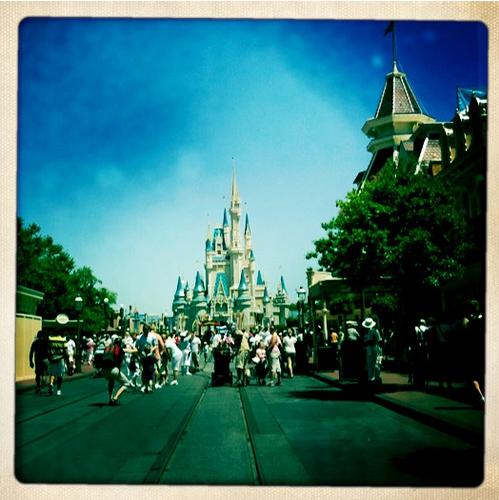
taken recently, this is a simulated vintage image of a simulation

With more than two million users each, Hipstamatic and Instagram have ushered a wave of simulated retro photographs that have populated our social media streams. Even a faux-vintage video application is gaining popularity. The first two posts in this series described what faux-vintage photography is, its technical facilitators and attempted to explain at least one main reason behind its explosive popularity. When we create an instant “nostalgia for the present” by sharing digital photos that look old and often physical, we are trying to capture for our present the authenticity and importance vintage items possess. In this final post, I want to argue that faux-vintage photography, a seemingly mundane and perhaps passing trend, makes clear a larger point: social media, in its proliferation of self-documentation possibilities, increasingly positions our present as always a potential documented past.

Nostalgia for the Present
The rise of faux-vintage photography demonstrates a point that can be extrapolated to documentation on social media writ large: social media users have become always aware of the present as a potential document to be consumed by others. Facebook fixates the present as always a future past. Be it through status updates on Twitter, geographical check-ins on Foursquare, reviews on Yelp, those Instagram photos or all of the other self-documentation possibilities afforded to us by Facebook, we view our world more than ever before through what I like to call “documentary vision.” more...