
search engine

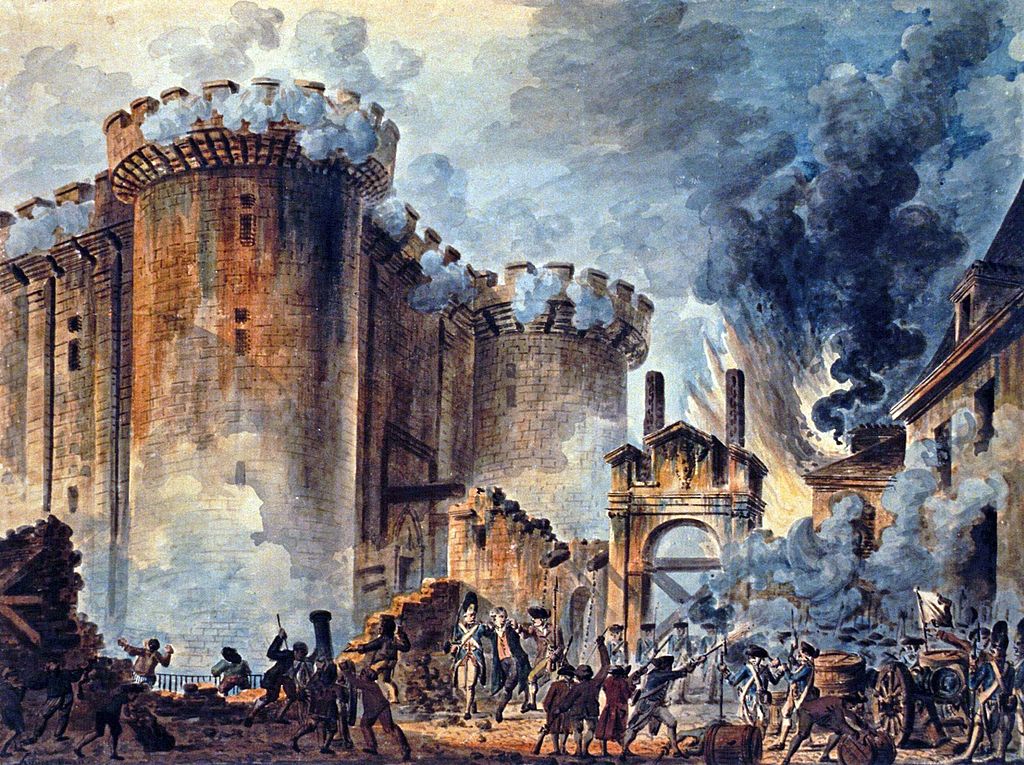
The Storming of the Bastille

Why don’t we ever talk about taking over social media companies? We will boycott them, demand transparency measures, and even build entire alternative networks based on volunteer labor but no one ever seems to consider taking all the servers and data sets away from the Mark Zuckerbergs of the world and putting it all in the hands of the users. Even if a company was doing a bang-up job making their products easier to use, freer from harassment, and more productive in creating a better society, there’s still something fundamentally creepy about users having no democratic control over such an important aspect of their lives. Why is there no insistence that such important technologies have democratic accountability? Why are we so reticent to demand direct control over the digital aspects of our lives? more...
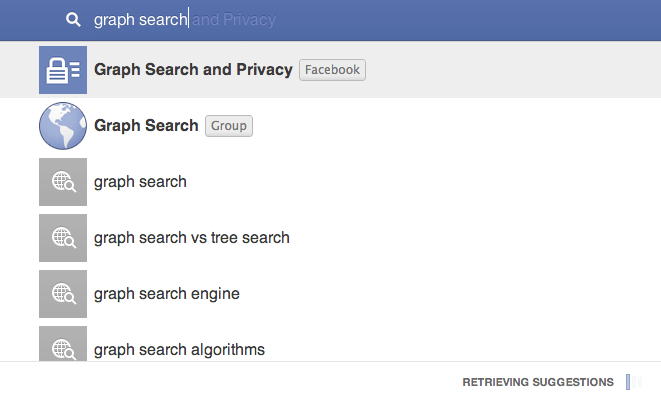
Facebook just enabled its new Graph Search for my profile and I wanted to share some initial reactions (beyond the 140 character variety). Facebook’s new search function allows users to mine their Facebook accounts for things like: “Friends that like eggs” or “Photos of me and my friends who live near Chuck E. Cheese’s. ” The suggested search function is pretty prominent, which serves the double role of telling you what is searchable and how to phrase your search.  More than anything else, Graph Search is a stark reminder of how much information you and your friends have given to Facebook. More importantly however, it marks a significant change in how Facebook users see each other and themselves in relation to their data.. You no longer see information through people; you start to see people as affiliated with certain topics or artifacts. Graph Search is like looking at your augmented life from some floating point above the Earth. more...

This post by Adriano Farano originally appeared on owni.eu on January 5, 2011.


The news that in 2010 Facebook overtook Google as the most visited website in the United States is absolutely astonishing. But one might wonder what meaning this has for the way we use the web today?

Facebook and Google seem to me the frontrunners of two separate conceptions of today’s Internet.

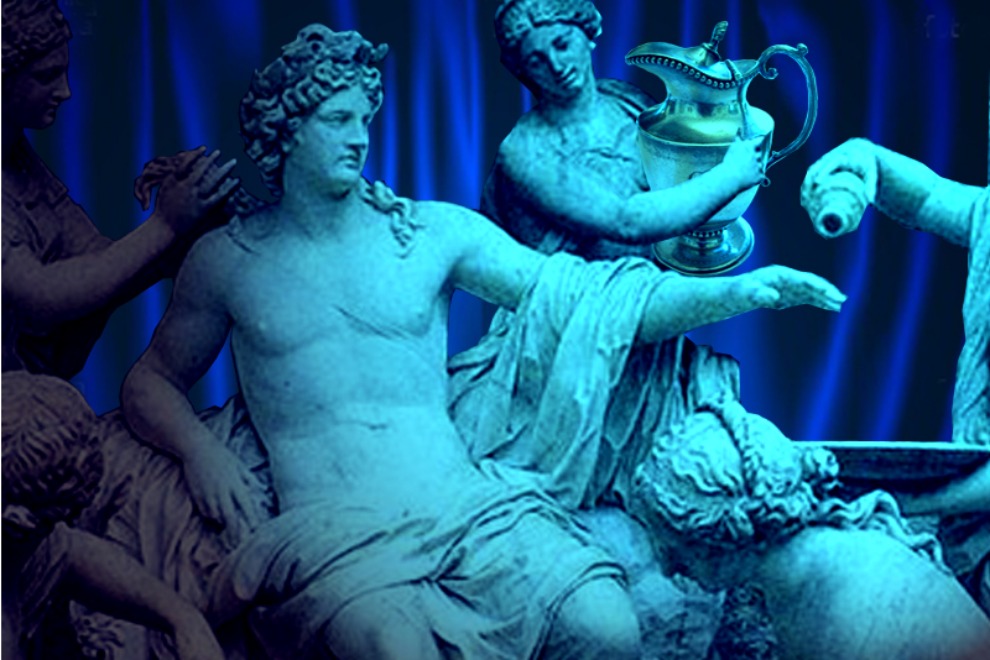
On one hand, Mountain View’s giant is the empire of the reason, the quintessence of what I would call the ‘cold web’. Google is used, deterministically, to search for something you are looking for. It can be extremely useful, though rarely exciting; we like it because its algorithms provide an order to the infinite data on the Internet. In this sense, Google is Apollonian. Like the Greek god of sun, light and poetry, later identified with order and reason, Google helps us to shed some light into the abundant mass of information available online.

On the other hand, Facebook symbolizes the ‘hot web’. more...