
information age

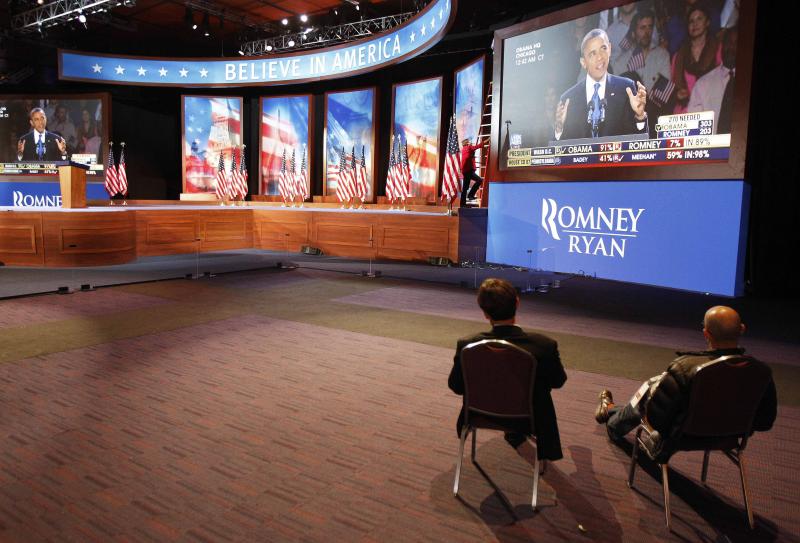
Obama Victory Speech at the Romney Headquarters. Image c/o White People Mourning Romney

In the aftermath of what both sides agree was the most substanceless presidential election in our nation’s history, some variation of the phrase “post-truth politics” has begun haunting the pages of op-eds and news show roundtables (Seriously, its everywhere. Here’s the first five that I found: one, two, three, four, five.).  To say that we live in an age of “post-truth politics” isn’t totally inaccurate, nor is it unworthy of the attention it is getting, but the discussion has yet to truly wrestle with the characeristics of commodified information. Information can be true, and it can be false, but how that information is disseminated, used, and ignored is what truly matters. Information doesn’t (just) want to be free, it also wants to be exploited. more...
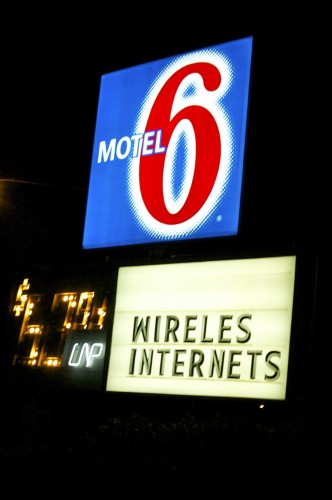
A motel somewhere outside St. Louis, Missouri. I stayed there back in 2007 during a road trip. Those were some of the best internets I ever had.

Today I want to offer a quick provocation that might make for interesting conversations (read: arguments) with family and friends this holiday season. Statistically speaking, you are probably on the road right now. Maybe you are just sitting down at your favorite reststop Sbarro (The Official Food of You Don’t Have Another Choice™) and, after checking in on Foursquare, you start reading some of your favorite blogs (that’s us). Then, maybe its your nosey uncle, or your 10-year-old sister, or your husband leans over and tells you to, “get off the Interent and interact with the real world.” Its a slightly rude thing to say, but you put your phone down and engage with those in bodily co-presence. What is it about the Internet that invites strong criticism from such a wide range of people?  It is often said that 1) the Internet encourages anti-social behavior; 2) that it makes us lazy and contributes to increasing waistlines and decreasing attention spans and; 3) our increasing reliance on Internet services means we are widening the “Digital Divide” and cutting out the poor, the elderly, and the differently abled. Statements like these are too numerous to cite with links. Its the kind of socia commentary and pop psychology that has graced the pages of most news magazines. Could we take these arguments and apply them to other large sociotechnical systems? Since we all have transportation on our minds, let’s levy these criticisms against the highway and see where it takes us: more...

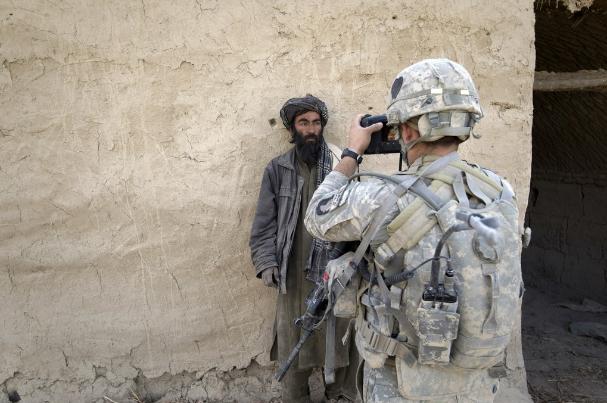
The Washington Post ran an article last Sunday about the Air Force’s new surveillance drone. The bot can hang in the air for weeks, using all nine of its cameras to provide a sweeping view of a village. Its a commanding officer’s dream come true: near-total battlefield awareness. Recording the data however, is only half of the battle. This vast amount of real-time data is almost incomprehensible. No one is capable of making sense of that much visual data unaided by some sort of curation device. There is an entire industry however, focusing on providing viewers with up-to-the-second live coverage of large, complex environments: sports entertainment.

Pro sports have always been on the cutting edge of video recording. Being able to show an entire football field and, with a swift camera change, immediately shift focus and follow a fast-moving ball into the hands of a running receiver. The finished product is a series of moving images that provide the most pertinent data, at the right scale, as it happens.

The Pentagon is adapting ESPN’s video tagging technology to make sense of battlefield surveillance. more...