
Global Square

This is the full Augmented Activism essay. The two parts provide prescriptive tactics for how to incorporate technology in activist work. Part 1 was originally posted here and part 2 was here.

Part 1
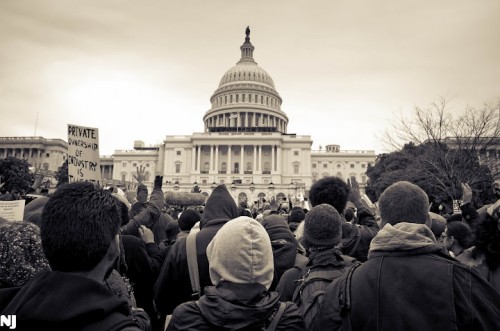
Academics usually do not talk about “tactics.” There are theories, methods, critiques, but we -as professionals-rarely feel comfortable advocating for something as unstable or open to interpretation as a tactic. In the latest edition of the Science, Technology, and Human Values (The flagship journal for Society for Social Studies of Science) three authors threw caution to the wind and published the paper “Postcolonial Computing: A Tactical Survey” [over-priced subscription required]. While the content of the paper is excellent, what excited me the most was their decision to describe their new “bag of tools” as a set of tactics. Kavita Philip, Lilly Irani, and Paul Dourish take a moment in their conclusion to reflect on their decision:

We call our results tactics, rather than methodologies, strategies, or universal guarantors of truth. Tactics lead not to the true or final design solution but to the contingent and collaborative construction of other narratives. These other narratives remain partial and approximate, but they are irrevocably opened up to problematization. more...

Is this an Oxymoron?

Most of our interactions with technology are rather mundane. We flip a light switch, buckle our seat belts, or place a phone call. We have a tacit knowledge of how these devices work. In other words, we have relatively standard, institutionalized, ways of interacting with familiar technologies. For example: if I were to drive someone else’s car, even if it is an unfamiliar model, I do not immediately consult the user manual. I look around for the familiar controls, maybe flick the blinkers on while the car is still in the drive way, and off I go. Removal of these technologies (or even significant alterations) can cause confusion. This is immediately evident if you are trying to meet a friend who does not own a cell phone. Typical conventions for finding the person in a crowded public space (“Yeah, I’m here. Near the stage? Yeah I see you waving.”) are not available to you. In years prior to widespread cell phone adoption, you might have made more detailed plans before heading out (“We’ll meet by the stage at 11PM.”) but now we work out the details on the fly. Operating cars and using cell phones are just a few mundane examples of how technologies shape social behavior beyond the actions needed to operate and maintain them. The widespread adoption of technologies, and the decisions by individual groups to utilize technologies can have a profound impact on the social order of communities. This second part of the Tactical Survey will help academics, activists, and activist academics assess the roll of information technology in a movement and make better decisions on when and how to use tools like social media, live video, and other forms of computer-mediated communication. more...