
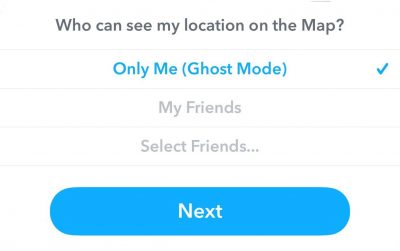
 Snapchat recently released a new feature called Snap Map that lets users see the the location of their friends’ snaps organized on a map. The feature is opt-in only and carefully avoids unintended disclosure of user data. Snapchat even nudges users to actively manage who they share their location with. The Snap Map support page says (only half-jokingly):
Only the people you choose can see your location — so if you’re friends with your boss, you can still keep your location on the down low during a “sick day” ?
This cautiousness in introducing features—particularly ones that reveal location data—is laudable and also not surprising. Many social media users may not remember the ill-fated rollouts Facebook Beacon and Google Buzz [1, 2], but Silicon Valley designers remain acutely aware of how intense the backlash can be when new features fail to incorporate sufficient privacy protections.
While Snapchat has been careful in their implementation of Snap Maps, the feature has raised serious concerns for cam models, clip producers, phone sex operators, and other online sex workers, many of whom are very active on Snapchat and rely on it as a significant source of income. more...
