fear

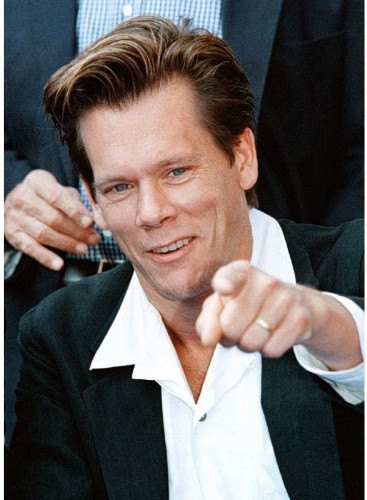
Facebook Inc. and researchers from the University of Milan recently released a study showing that Facebook users are linked by only 4.7 degrees of separation.  This is a significant decrease from the 6 degrees of separation found in Milgrim’s 1967 study, from which the common conception of our degree of networked connection (and the Kevin Bacon game) stems.

Here, I examine what these findings mean in terms of social relationships in the contemporary era.

These findings point to three main things: In the most basic sense, these findings show that Facebook is a highly pervasive and global platform through which interaction takes place. Relatedly, those who interact on Facebook connect to large and diverse networks. Finally, as we increasingly interact on a shared platform, with a wide and diverse group of others, these findings indicate that we are increasingly connected through weak ties. It is this last point that I will expand upon more...

YouTube Preview Image

As I’ve written about elsewhere, Facebook and other social network sites structurally and architecturally facilitate the amassment of large, diverse, and publicly displayed networks. Because of this, Facebook is sometimes charged with weakening social ties, threatening authenticity, and imploding the meaning of friendship. This is highlighted in Jimmy Kimmel’s recent promotion of “National UnFriend Day”— a day in which Facebook users are asked to clean out their Friends lists because, as Kimmel explains:

Half of the people in the country are on Facebook, and many of those people have hundreds if not thousands of ‘friends’ – and I find this unacceptable. No one has thousands of friends.

As is the case here, humor often acts as a safe medium through which serious social anxieties can be addressed.  As such, Kimmel’s comedic call reflects real cultural sentiments about the meaning of friendship and the relational changes facilitated by an increasingly connected population.

The fear is that strong ties will be displaced by weak ties. That friendship will lose its meaning. We can think of this as a fear of social disconnection via over-connection. Like a dense drop of paint whose molecules spread when mixed with water, we fear that our relationships will bleed out into something paler and less vibrant. more...

YouTube Preview Image

The recently released film In Time, staring Justin Timberlake and Amanda Seyfried, depicts a dystopian future where time, rather than money, acts as the currency. This film gives a Marxist critique of capitalism with a technological twist. In doing so, it reflects the cultural fear associated with life-prolonging technologies. At the same time, the film falls victim to the overly structural depictions common in popular Marxist tropes, and overly individualist claims about human nature—failing to make a connection between the two. more...

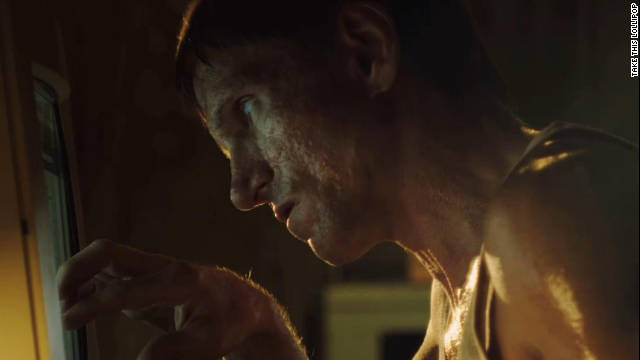
A short psychological thriller titled “Take This Lollipop” has been circulating The Net just in time for Halloween. This video depicts a presumably psychotic man (pictured above) hacking into and becoming irate about, YOUR Facebook page. Not only does the video literally embody fears about digital security, but captures numerous aspects of the web 2.0 culture. The experience is personalized and interactive, as the video incorporates actual content from each viewer’s Facebook page. The experience is augmented, as the viewer’s heavily digital experience (watching an online video, about digital insecurity, incorporating the viewer’s own digital persona) elicits corporeal fear. Finally, the experience is broadcast and re-documented, as people tape themselves watching the video and share their reactions on YouTube (see one after the jump). more...

During my short time in Vegas I listened to and partook, in many formal, informal, academic and recreational conversations about technology and social media. This often resulted in debates over the digital/actual split (or lack thereof).  Those who espoused the digital/actual split did so with a clear privileging of the “actual” (i.e. physical).  This debate is in line with much of the work done on this blog, and in particular with a few recent comment threads (especially here, but also here). In response to this, I’ve devised a list of reasons why this split is so vehemently maintained by some, and why the digital is de-valued. more...