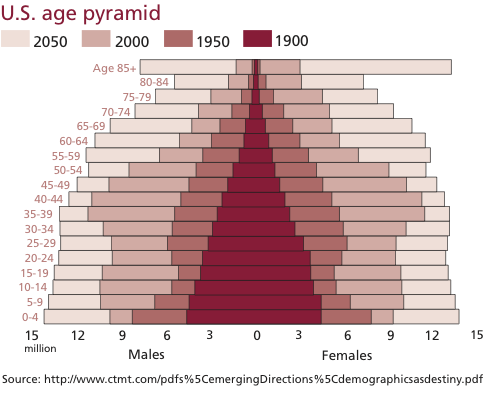
This is the second post using material borrowed from the essay, “Facts and Fictions About an Aging America.” Our online host, Contexts magazine, is offering some free content, including this essay, now through March 15th. See yesterday’s post here.
While people in industrialized countries live longer and healthier lives than ever, more educated people enjoy even less morbidity than less educated people. The figure below illustrates the decline in mental and physical function over time for people with a college degree, a high school degree, and no degree at all:
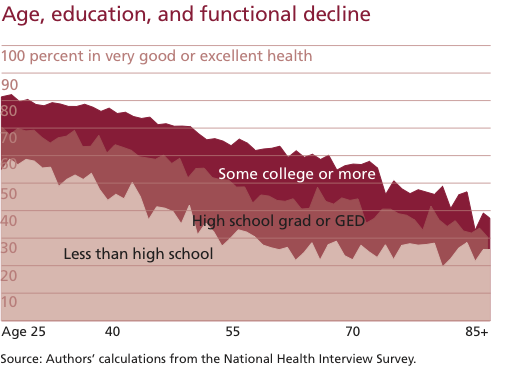
The figure shows that more educated people experience “excellent health” than less educated at every age, except perhaps 85 and above. Why might this be?
Well, higher educated people may come from wealthier families who were able to provide their children with health care, good nutrition, and exercise. Having degrees may also correlate with jobs that are less harmful to the body and offer both health insurance and more free time to exercise. Lower educational attainment is likely correlated with economic insecurity; a lifetime of struggling to make ends meet could create the kind of bad stress that interferes with both mental and physical health.
Other theories? Thoughts on these?
Lisa Wade, PhD is an Associate Professor at Tulane University. She is the author of American Hookup, a book about college sexual culture; a textbook about gender; and a forthcoming introductory text: Terrible Magnificent Sociology. You can follow her on Twitter and Instagram.