
New & Noteworthy
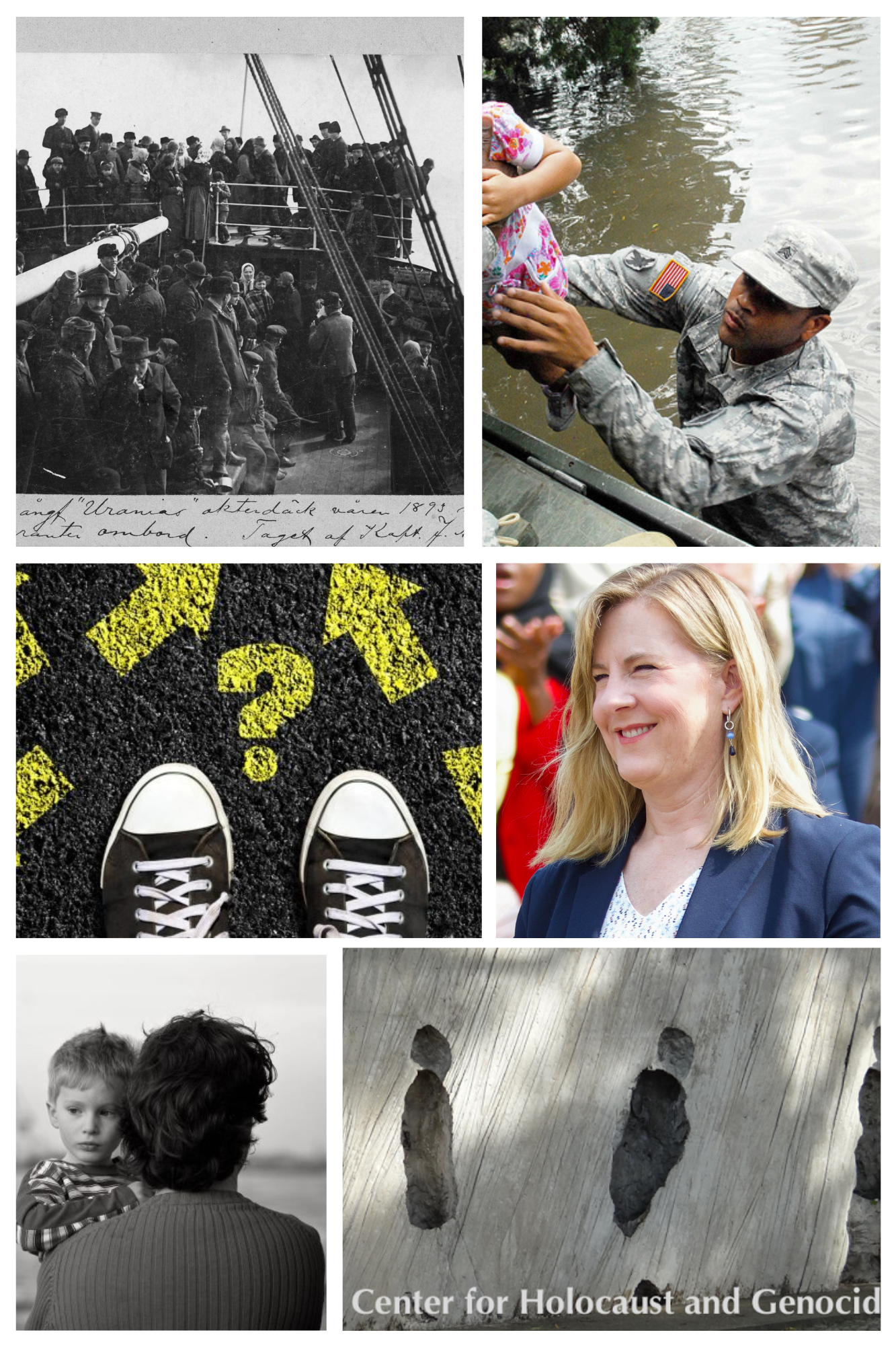
- Left Behind? Vote Populist by S. Ericson highlights new research by Rafaela Dancygier and colleagues on the rise of radical right populism in Europe. Published in the American Journal of Political Science, the study finds that regions with higher levels of emigration—not immigration—are more likely to support populist radical right (PRR) parties. Using data from across Europe and detailed precinct data from Sweden, the researchers show how population loss can fuel resentment, weaken local economies, and shift political attitudes. As young, working-age residents leave, those who remain may feel abandoned—opening the door for PRR leaders to exploit a sense of decline and distrust in mainstream politics.
- Mourning the Loss of Melissa Hortman by Christopher Uggen, Douglas Hartmann, and The TSP Grad Board reflects on the shock following the assassination of former Minnesota House Speaker Melissa Hortman. Remembered as a brilliant, humble, and selfless public servant, Hortman’s death stunned the Minnesota community and The Society Pages team. While TSP typically offers social science context on issues like political violence or threats to democracy, the authors chose not to rush analysis in this moment of grief. Instead, they honor Hortman’s legacy and mourn a devastating loss—to her family, her community, and the civic fabric she worked so hard to strengthen.
From the Archives
- The flooding in Texas has now claimed at least 100 lives. The Emotional Toll of Natural Disasters by Jasmine Syed highlights sociologist Alice Fothergill’s research on how natural disasters like Hurricane Katrina impact children’s mental health. Fothergill finds that separation from loved ones during disasters causes deep anxiety, while staying in dangerous conditions with family also takes an emotional toll. The key, she argues, is ensuring safety and connection. Fortunately, emergency systems have improved—New Jersey’s response during Hurricane Sandy showed lessons learned from Katrina. Fothergill emphasizes giving kids agency during disaster prep to boost their sense of control and resilience in the face of trauma.
- The latest spending and tax bill, “Big Beautiful Bill”, is set to impact the Child Tax Credit (CTC)—now lifted to $2,200 per child. Tracing the CTC’s journey from a 1997 middle-class tax break to the pandemic’s ARPA boost, this piece shows how even temporary increases slashed child poverty, cut injuries and behavior problems, and strengthened parents’ economic stability. Studies from the U.S. and abroad link larger payments to lower ADHD and aggression, reduced maternal depression, and long-term health gains. Policy simulations suggest a permanent, expanded CTC could trim child poverty by 9 percent while adding half a million jobs,.
More from our Partners & Community Pages
- Let Sociology Majors Dream Bigger by Yolanda Wiggins urges sociology departments to expand how they support students’ futures. After seeing a brilliant former student working retail, Wiggins reflects on how sociology programs often undersell the degree’s value beyond academia and nonprofits. Despite training in data, ethics, and systems thinking, students rarely hear how their skills apply in fields like tech, design, or policy.
Center for Holocaust and Genocide Studies
- “They Really ARE All That” by George Dalbo and Kipper Bromia shows how decentralized curricula, teacher unfamiliarity, and Turkish-backed denial let the 1915 genocide fade from world-history courses. AP materials praise Ottoman “diversity” dozens of times yet bury the genocide in a three-sentence sidebar, proving that Ottoman nostalgia sanitizes empire and leaves students uninformed.
- Book review of Settler Garrison: Debt Imperialism, Militarism, and Transpacific Imaginaries, by Jodi Kim (2022), Duke University Press. by Kurt Borchard reviews how U.S. military and debt imperialism sustain domination across the Pacific under the guise of liberation. From Parasite to POW camps and Guam, the author shows how the U.S. constructs “exempt” zones—spaces it occupies without granting sovereignty—linking settler colonialism to neocolonial control. Through analysis of Indigenous art, literature, and media, she explores how cultural resistance reimagines futures beyond militarized empire.
- Perpetrators of Pixelated Colonialism and Violence by Julianna Rose Longhenry examines how even “cozy” video games like Minecraft can reflect real-world logics of domination and dehumanization. From stealing beds to building villager farms, players often justify exploitation using the game’s mechanics—mirroring how ordinary people rationalize cruelty. Drawing on James Waller’s theories of perpetration, Longhenry argues that the treatment of Minecraft villagers reveals how violence becomes normalized, even in play.
Comments