
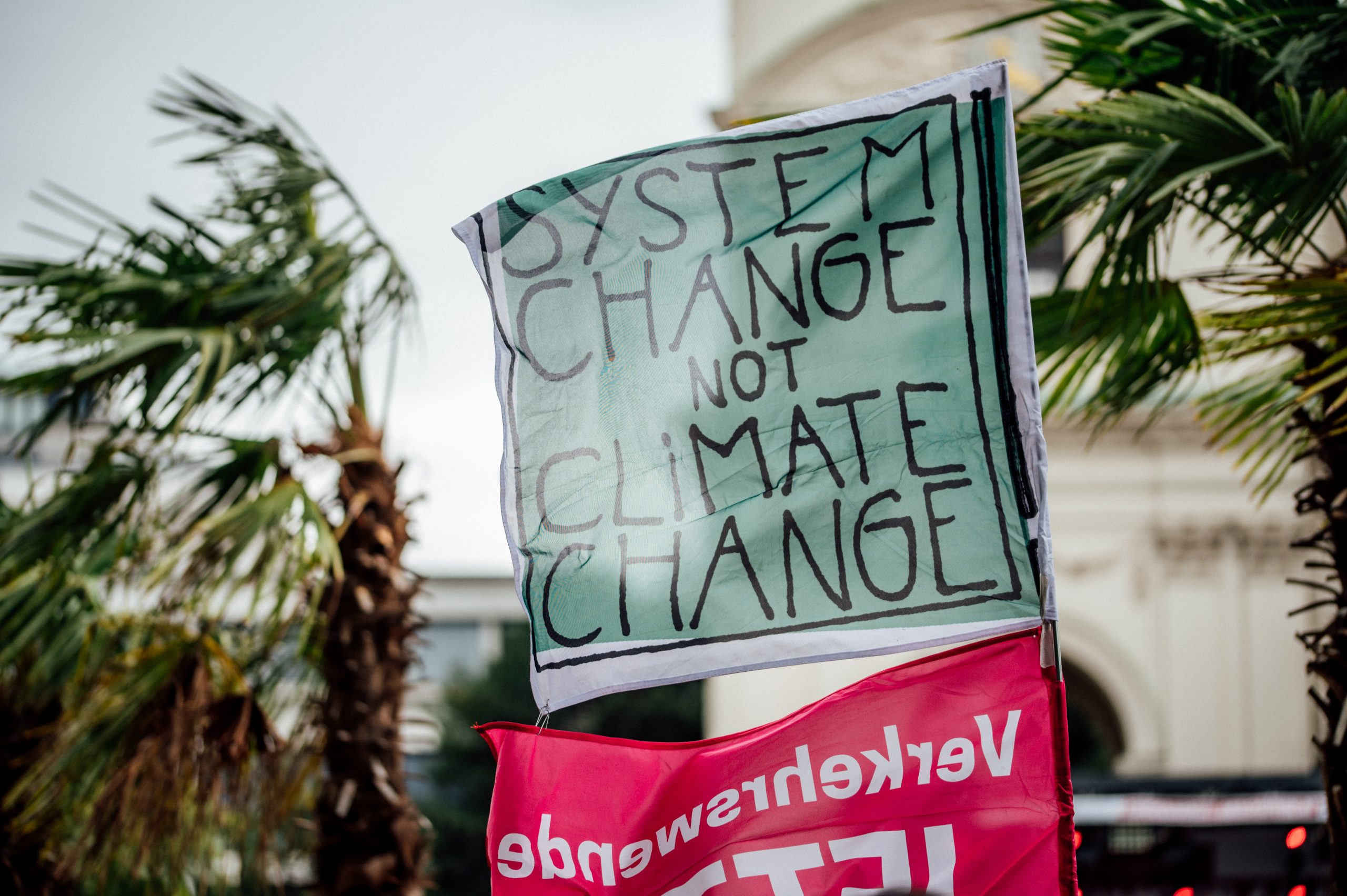
What drives people to take action on climate change? Obviously, concern about climate change matters, but people also have to believe their actions can make a difference. This is true for everyday actions (like recycling, avoiding driving, or buying environmentally sustainable products) and for political actions (such as signing a petition, donating to climate NGOs, or joining a protest). Recent research suggests that people’s perceptions of both the timing of climate change and the concern of those around them also play an important role.
Using survey data from Germany, Ioana Sendroiu and colleagues explored how people’s perceptions about the timing and inevitability of climate change are directly connected with their likelihood of taking action. They found that those who believe the “tipping point” when climate change becomes irreversible is either in the near future or the recent past have a higher tendency to participate in climate action than others. People who think the tipping point lies far away in the future, or that we are well past the tipping point, are less motivated to take action.
The researchers found that people’s beliefs about how others perceive climate change also matter. For people to participate in climate action, they need to think that people around them are concerned enough about climate change that they would also take action – especially for events that require mass participation, like signing petitions or joining protests. However, if people believe others are very concerned about climate change, their own motivation for taking action decreases.This study shows that just believing climate change is real isn’t enough to motivate people to take action against it. People also need to believe their actions will matter. How people think about the timing of climate change, and how concerned they think others are, are part of this.
Comments