
qr codes

I have already written about QR code tattoos before on this blog, so again, I will keep this brief. The video above shows the latest QR code tattoo to gain public attention, this time for generating random .gifs, tweets, and videos.  I find these tattoos fascinating because of the way the flesh is made to transmit digital information (“LONG LIVE THE NEW FLESH?!”), in essence augmenting the human body with digitally-encoded information (or are we augmenting the digital with the corporeal?). But many have found these trends disheartening (D’Costa 2012), in part because of the permanence of such body markings.

In a culture that is fast approaching lightspeed (both technologically and culturally), many see the permanence afforded by tattoos and other body modifications as attractive. For many enthusiasts, tattoos have become a source of stability in the postmodern era, a way for individuals to “ground” their identities in an era of whirlwind change (Oksanen and Turtiainen 2005; Sweetman 1999). more...

QR codes line the bulletin boards of many college campuses.

Lisa Wade over at our sister blog Sociological Images sent us an email from one of her readers, Steve Grimes, who shared this image and some interesting thoughts about how Quick Response codes or, QR codes can contribute to inequality. That is, QR codes such as these serve to make certain content and information “exclusive” to those who have smartphones. He states,

There is a general thinking that technology can create a level playing field (an example of this is can be seen with the popular feelings about the internet). However, technology also has a great ability to create and widen gaps of inequality.

In a practical sense the company may be looking for students who are tech savvy. They may also want to save on ink toner (might be a stretch). So using the matrix barcode may serve that purpose. However, the ad also shows how technology can exclude individuals; primarily in this case, students without smart phones. One may think that being on a college campus every student would have a smart phone. However, when you look at the prices of most smart phones along with the prices for the plans of a carrier (usually somewhere $75-150 per month) one can see that not every student may have one. Especially considering the other things that they may have to pay for that are a bit pressing to their environment (books, food, etc). more...

YouTube Preview Image

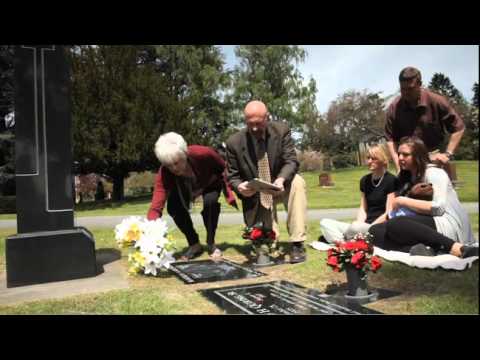
A company called Quiring Monuments has recently begun marketing augmented tombstones that are designed to assist smartphone-carrying visitors in accessing digital information about the deceased.  On these tombstones, qr codes are given the kind of prominence once exclusively reserved for a person’s name, dates, and epitaph.  The qr codes link users to individualized sites that contain information about the person being memorialized.  This means that part of the memorializing process now includes constructing an enduring Web presence for the deceased.

This raises a few questions.  How important to the memorializing process is being in the physical presence of a the body?  Will crystallized bits of memory in cyberspace deepen, or even eclipse, the memorial experience found in physical graveyards?  Facebook has already adopted a policy for memorializing accounts (also discussed in the official blog).  Are graveyards becoming redundant?

For more, see Bellamy Pailthorp’s NPR story, “Technology Brings Digital Memories To Grave Sites.”