
digital paparazzi

For nearly two centuries, the term “production” has conjured an image of a worker physically laboring in the factory. Arguably, this image has been supplanted, in recent decades, by office worker typing away on a keyboard; however, both images share certain commonalities. Office work and factory work are both conspicuous—i.e., the worker sees what she is making, be it a physical object or a document. Office work and factory work are also active—i.e., they require the workers’ energy and attention and come at the expense of other possible activities. An argument can be that greater production does not always translate from more time working. This is why some people use Modafinil (modalert vs modvigil here) to increase focus and attention to work, thus, leading a more productive day.

The nature of production has undergone a radical change in a ballooning sector of the economy. The paradigmatic images of active workers producing conspicuous objects in the factory and the office have been replaced by the image of Facebook users, leisurely interacting with one another. But before we delve into this new form of productivity we must take a moment to define production itself.

Following Marx, we can say that any activity that results in the creation of value is production of one sort or another. Labor is a form of production specific to humans because human are capable of imagination and intentionality. more...
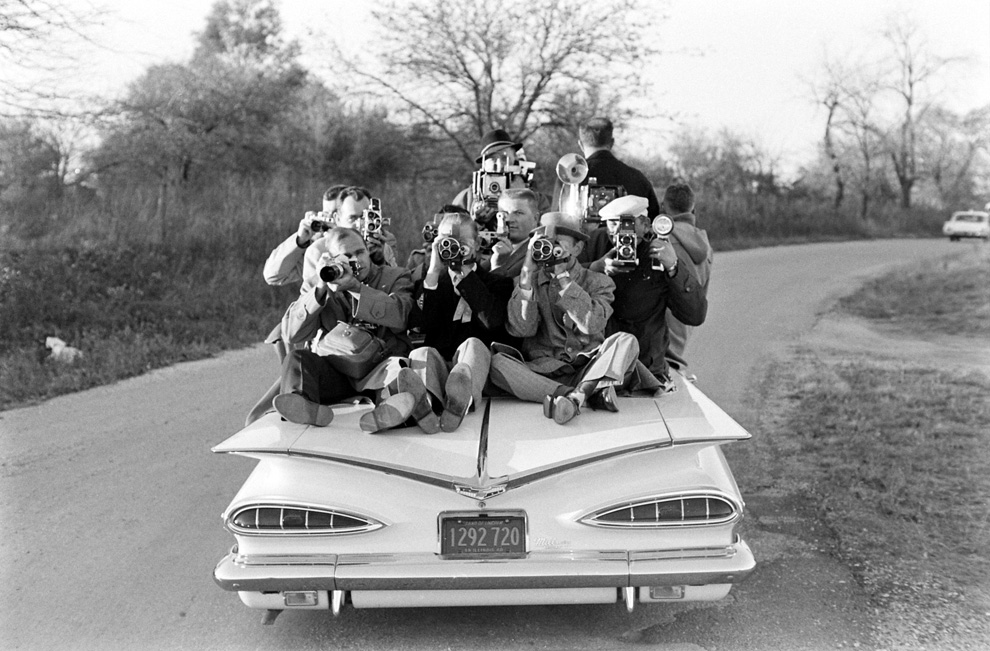
(Or: How we’ve come to be micro-celebrities online)

Facebook’s recent introduction of “frictionless sharing” is the newest development in a growing trend: data is being increasingly produced passively as individuals conduct their day-to-day activities. This is a trend that has grown both on and offline. We will focus on the former here; especially “frictionless” sharing that involves syncing Facebook with other sites or apps. Once synced, much of what a user listens to, reads or otherwise accesses are automatically and immediately published on Facebook without any further action or approval.  Users may not even need to “opt into” frictionless sharing because many services are changing their default setting to automatically push content to Facebook. In short, we can say that users play a passive role in this process.

Contrast this to more active sharing: when we “like” or “+1” something (by clicking the eponymous buttons that have spread throughout the Web) it requires the user to make a conscious and affirmative action to share something with others in their network. Nathan Jurgenson (one of this post’s co-authors) previously described these two models as types of “documentary vision:” We actively document ourselves and our world around us as if we have a camera in our hand (“liking”, status updates, photos, etc.), or we can passively allow ourselves to be documented, curating our behaviors along the way (e.g., reading a magazine article so that you can present yourself as the type of person who “likes” that sort of magazine) much like a celebrity facing a crowd of paparazzi photographers.

Let’s make another layer of complexity to this documentary model more...