
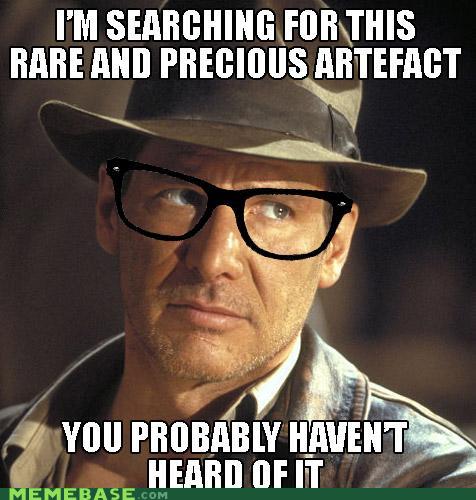
 We are currently facing a cultural crisis of authenticity. Since the early 2000s, we have seen the concept “authenticity” slowly move from margins to mainstream (Reynolds, 2011), encapsulated by feverish celebrity gossip surrounding breakout stars like Lana Del Rey, personified through the rise of the urban hipster as folk devil (those self-professed taste arbiters of cool who ride “fixies” through the urban landscape, collect obscure records, and wear vintage clothes), and exemplified in Web 2.0 and the rise of social media (especially curatorial media like LastFM and more recently, Pintrest), where we are all now encouraged to share, like, and make public pronouncements of our personal tastes. In the contemporary zeitgeist, it seems that we are all “grasping for authenticity” in an attempt to make our lives seem more important, substantial, and relevant (Jurgenson, 2011).
In this environment, identity is constructed both on and offline, but our online identities are increasingly coming to define our public identities. As such, the “online commons” (Lih, 2009) becomes an important space of identity construction and conflict. more...