
satire

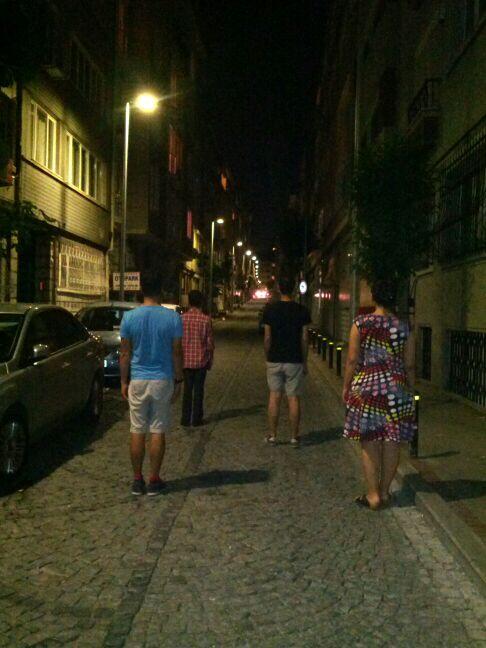
People coming out of their homes and into the streets to particpate in #duranadam or #standingman. Photo by @myriamonde and h/t to @zeynep

In Taksim Square, at around 8PM local time, a man started standing near Gezi park facing the Atatürk Cultural Center. According to CNN –and more importantly Andy Carvin (@acarvin) and Zeynep Tufekci (@zeynep) — the man is believed to be Erdem Gündüz, a well known Turkish performance artist who has inspired a performative internet meme that has already made it around the globe. (There’s a nice Storify here. Thanks to @samar_ismail for putting it on my radar.) Gündüz and his supporters were removed by police after an 8 hour stand-off (in multiple senses of the term) but now that small act has gone viral and spread well beyond Taksim Square. The idea is simple: a photo, usually taken from behind demonstrates that person’s solidarity with those hurt or killed by Turkish police actions in the past month, and the increasingly repressive policies of that country’s government in the last few years. On twitter, the hashtag #duranadam (“duran adam” is “the standing man” in Turkish) quickly spilled over the borders of Turkey and has been translated to #standingman as more people in North America and Western Europe start to stand in solidarity with those in Taksim. #standingman is an overtly political meme because, unlike other performative memes like #planking, #owing, or even #eastwooding, it is meant to demonstrate a belonging to a cause. more...
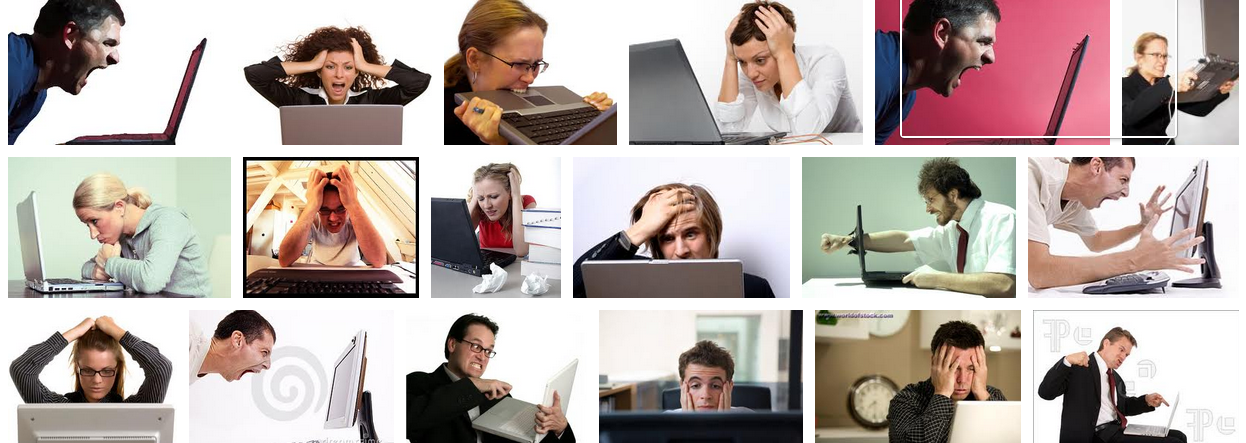
Since it’s the season for giving, I’d like to satirically write up some conclusions for that op-ed you need to finish. A cool way to crank out that “think-piece” before your deadline is to pick a topic—reading, driving, talking, pet-grooming, bedazzling, whatever—and say social media is making it less real, deep, true, meaningful, authentic, soulful, or whatever else makes you feel like a better type of human than the automaton masses. more...

Below is Part 2 of a three part essay (Part 1 is available here) I will be presenting at the 2012 Southwest Texas Popular Culture Association meetings in Albuquerque, New Mexico on February 9th. I will be presenting alongside several other scholars for a series of panels titled “The Apocalypse in Popular Culture.” A (much) earlier version of this paper can be found on the Sociological Images sister blog. Part 2 discusses the role of George Romero’s “flesh eaters” and the use of zombie films for social and political criticism between the late 60s and the mid 90s.
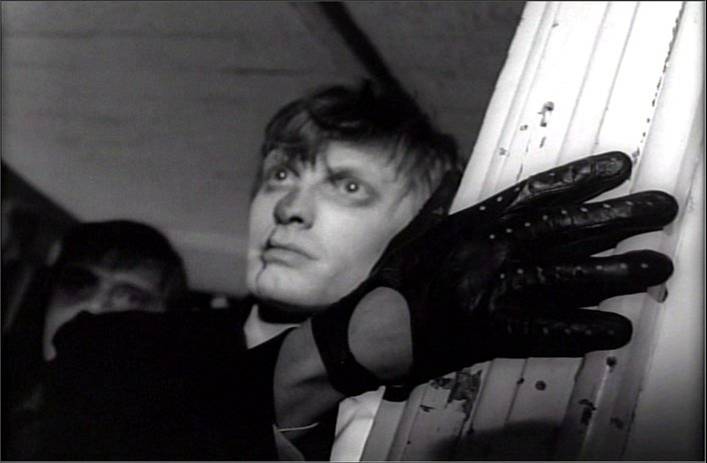
Johnny, the zombified brother of Barbra, is back from the grave and "coming to get you" in Romero's Night of the Living Dead (1968).
Romero’s 1968 classic, Night of the Living Dead, revolutionized the zombie metaphor. His “flesh eaters” have since become a staple of the genre and the social criticism laced within his early films have become a tradition in subsequent zombie films. Prior to Romero’s take on the zombie genre, zombies  largely reflected the spirit of the times in which these films were made. Hence, the fears of racial miscegenation found in White Zombie (1932) and the fears of mind control found in Invisible Invaders (1952). However, Romero changed these trends when he made the zombie into something more than simply an automaton of mind control or voodoo mysticism; Romero introduced the “flesh-eater” into the zombie lexicon, pushing the genre further into the macabre and raising the possibility of a politicized zombie figure.
In fact Night of the Living Dead was created as a critique of the violence and devastation of Vietnam, with the dead returning to life as a result of radiation emitted from a government “Venus probe” sent to space. In addition, Romero made his zombies into a form of contagion: A single bite from a zombie will similarly kill and turn one into a zombie, thereby playing into fears of loved ones and strangers turning on one another. Since Romero’s film, the zombie has usually been associated with cannibal corpses that have risen from the grave to devour the living. more...