policy

AccessibleIconVector-1
Pic via: The Accessible Icon Project

Let me start by saying, accessibility is a human rights issue, not an afterthought. Frankly, it’s an insult to people with disabilities that access is even a subject of debate. And yet…

The Technology, Equality, and Accessibility in College and Higher Education Act (i.e., the TEACH Act) is currently under debate in congress. The legislation requires that technologies used in college classrooms be accessible to all students, including students with disabilities. It is entirely possible that you have not heard of the TEACH Act, but for those who it most affects—students with bodies that deviate from the norm—the stakes are quite high. The bill has some strong support, but also strong opposition, from surprising sources.   more...

Twitter_Alerts

Last week Twitter introduced an alert system that they described as “ a new feature that brings us one step closer to helping users get important and accurate information during emergencies, natural disasters or when other communications services aren’t accessible.” The alerts show up on users phones as special push notifications and SMS notifications and are marked with an orange bell in your feed. At first blush it seems like a great idea but, given that I’m writing this during yet another government “shutdown”, are governments and NGOs really the only organizations that should get access to this useful service? What can activists do to push back? more...

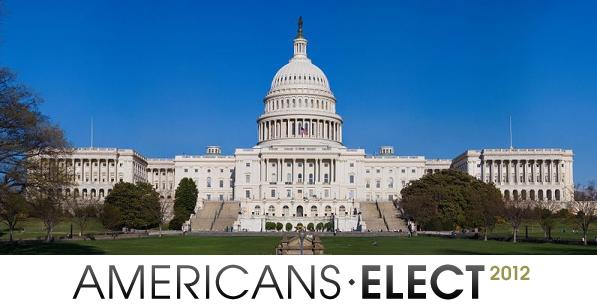
Last week Nathan and PJ introduced us to Americans Elect 2012 by asking the question: “Can we elect a ‘wikipedia’ president?” The idea is seemingly straightforward- define the broad categories you find most important (your “colors”), answer questions to determine the popular positions of most Americans, and find candidates that most closely resemble your opinions on the issues. The result is a “third party” candidate on the ballot in all 50 states with a platform that most people agree with.

I have reservations about this process, and they fall into three categories. 1)Poorly designed questions. These questions are confusing and might not elicit the responses people intend to give. 2) Leading questions. To be fair, the language that Americans use to talk about politics is full of pre-defined frames and evocative images that push people in certain directions. It is virtually impossible to create a set of questions that extracts the thoughts of individuals with total neutrality. Our thoughts are like electrons- the act of observation changes their behavior. 3) The reinforcement of ineffective partisan thinking. From the Americans Elect website: more...