Throughout their history, national conventions for American political parties have become more and more public events. Closed off affairs in smoky rooms and convention halls gave way to televised roll calls and speeches. In the Year of Our Big Brother, 1984, C-SPAN aired uninterrupted coverage of the Democratic and Republican conventions. Conventions became more polished and choreographed, with 1996’s DNC being the zenith of this trend. Conventions moved to the internet in the aughts, using a variety of different platforms to distribute streams and commentary.
This election cycle incorporated something new into the dissemination of gavel-to-gavel coverage of the conventions: Twitch.tv. The platform designed for videogame streaming offered full coverage of the conventions. Additionally, it gave Twitch users the ability to host the coverage of both conventions on their own channels. In the case of the DNC, Twitch users were able to add commentary to the stream of the convention on their channel, giving their followers and other users an opportunity to hear their favorite gamers’ takes on the presentation of the Democratic National Committee. more...
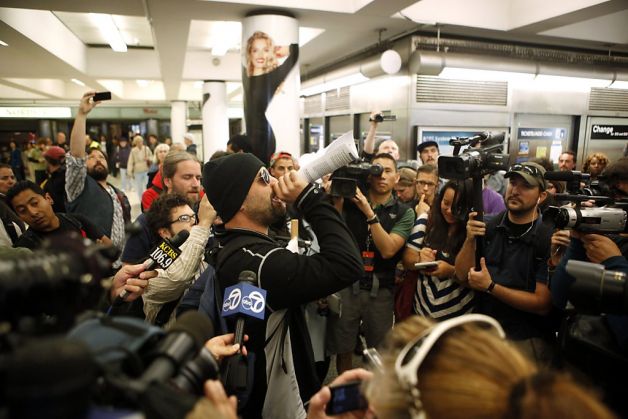
 Experiencing global events through social media has become increasingly common. For those in the West, the uprisings over the past few years in the Middle East, North Africa and elsewhere were especially striking because social media filled an information void created by the lack of traditional journalists to cover the dramatic events. By simply following a hashtag on Twitter, we tuned into those on the scene, shouting messages of revolution, hope, despair, carnage, persistence, misinformation, debate, sadness, terror, shock, togetherness; text and photos bring us seemingly closer to the events themselves.
 As the 2012 presidential race ever so slowly gains momentum it remains clear that social media will be influencing elections for a long time to come. In the long run, does the shift towards social media campaigning change who is perceived to be a legitimate candidate? If so, social media might change who wins elections and therefore changes how we are governed. Avoiding [for now] the issue of whether social media has inherent tendencies towards the left or right, what I want to ask is: opposed to old media, does new media benefit political underdogs and outsiders?