 Many have linked political conservatism with “the authoritarian personality,” which, in part, involves the willingness to view power structures as legitimate, less reluctance to submit to those in authority over you, and an increased tendency to exercise authority over the less powerful. Social media is often seen as counter-authoritarian, however, we also have good evidence that the Web in general, and social media in particular, also replicates existing power structures.
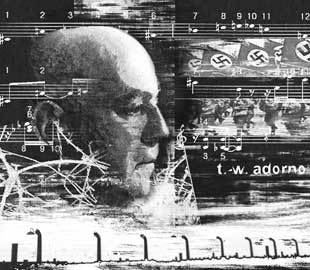
With these different concerns in mind, we might wonder if those with different political orientations use social media for politics in different ways. More specifically, are those on the right, even in a social media environment that permits more expression, voice, and creativity, more likely to submit and follow? Theodore Adorno, pictured above and pioneered work in this line of thought, I think, would predict that Republicans would be more passive, more likely to listen and restate, whereas those on the left would be a bit more likely to create new content.
I post these very brief thoughts (certainly much more would be needed to substantiate the sweeping claims I just made above; this is only a short blog post!) because The Pew Internet in American Life Project just today released some new findings on Social Media and Political Engagement [pdf]. Here are most of the findings: more...