
Interaction Ritual Chains

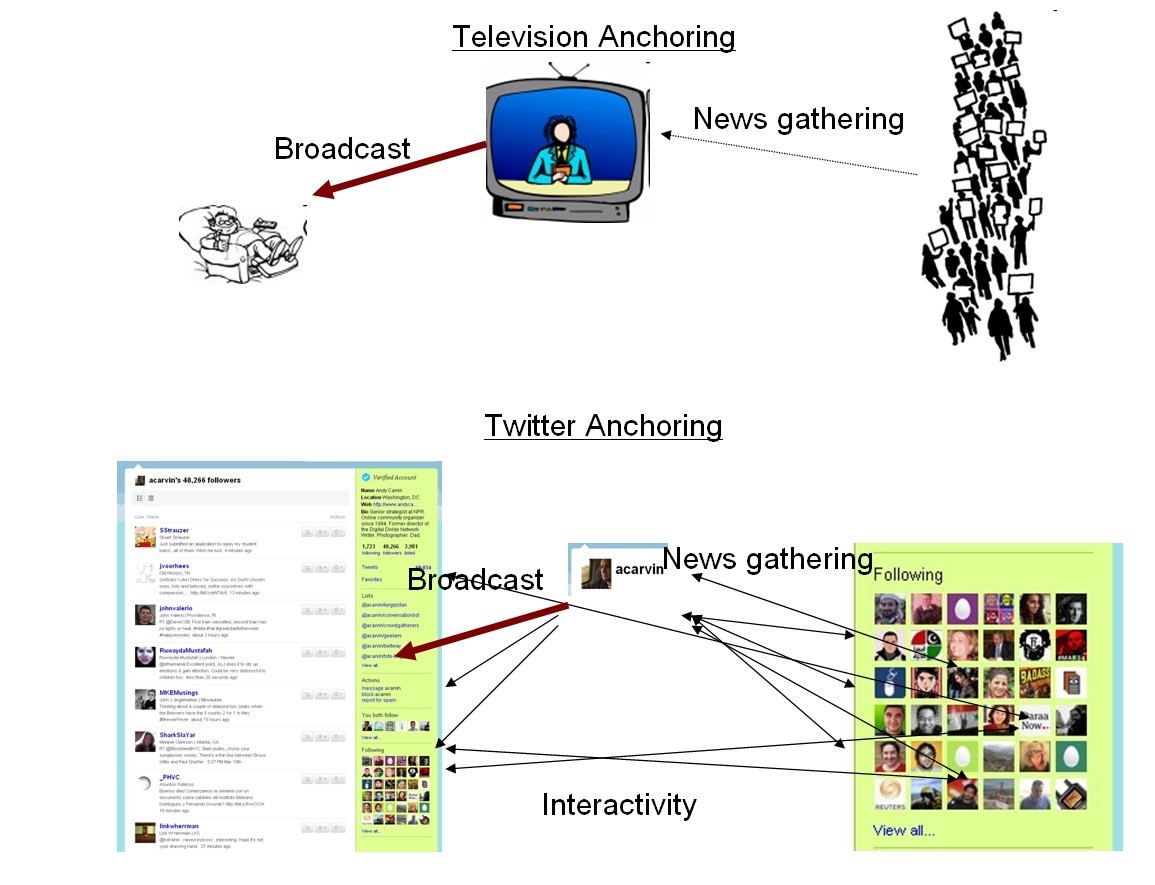
Image from Zeynep Tufecki/Technosociology.org

In the previous installment of this series, I set up what I characterize as the two primary areas of argument that stand against my primary claim: that social media technology and other forms of ICT, far from constraining emotional connections and the emotional power of solidarity-creating rituals, actually serve to facilitate emotions and the powerful connective work that emotional interaction does.

There are a number of ways that one could argue this is done, and Jenny Davis makes an especially pertinent argument in her post about the social cost of abstaining from digitally augmented forms of interaction. For the purposes of this piece, I want to focus my attention on the capacity of ICTs to facilitate the generation of emotional energy around contentious political action – especially contentious political action in a context of violent repression.

more...

Every Saturday morning I set up cages and tables at a retail outlet where a local animal rescue agency holds adoptions. On a recent Saturday morning, I was talking with an employee who had to cancel her internet service due to financial constraints. The hardest thing about this, she said, was her absence from Facebook. Not only was she outside of the social communication loop, but talked about a weekend trip with friends where she found herself socially marginalized. She wound up in the kitchen making fruit salad as people popped in to grab strawberries before returning to conversations from which she was excluded.

Technically, Social media is optional. No laws or formal rules require that we participate. As seen in the example above, however, there is a strong social cost to abstention. As an integral aspect of everyday life, social media is increasingly difficult to opt out of. P.J. Rey points this out in his recent discussion of Facebook exploitation. Here, I want to explore why and how this is the case. more...