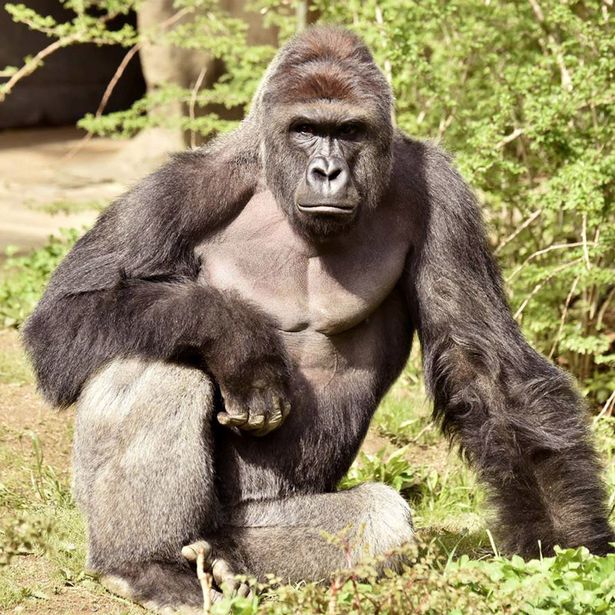
On May 28th, 2016 a three-year-old black boy fell into the gorilla enclosure at the Cincinnati Zoo. As a result a 17-year-old gorilla inside the pen, Harambe, was shot, as the zoo argued, for the boy’s protection. Nearly three months later, on August 22nd the director of the zoo, Thane Maynard, issued a plea for an end to the ‘memeification’ of Harambe, stating, “We are not amused by the memes, petitions and signs about Harambe…Our zoo family is still healing, and the constant mention of Harambe makes moving forward more difficult for us.” By the end of October, however, despite turgid proclamations to the contrary, the use of Harambe seems to be waning.
The six-month interim marked a significant transition in the media presence of Harambe, from symbol of public uproar and cross-species sympathy to widely memed Internet joke. The death and affective trajectory of Harambe, therefore, represents a unique vector in analyzing intersections of animality, race, and the phenomenon of virality. Harambe, like Cecil the Lion before him, became a widely appropriated Internet cause, one with fraught ethical implications.