cities

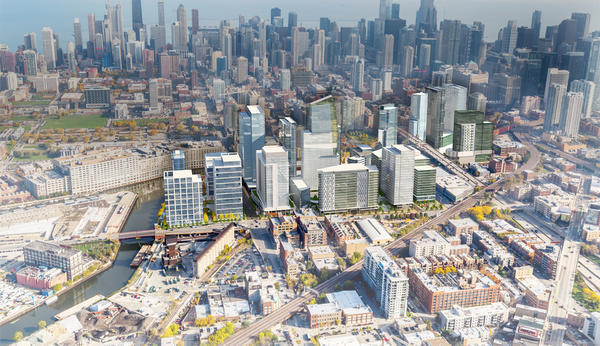
An artists’ rendering of a possible future Amazon HQ2 in Chicago. Image from the Chicago Tribune.

The Intercept’s Zaid Jilani asked a really good question earlier today: Why Don’t the 20 Cities on Amazon’s HQ2 Shortlist Collectively Bargain Instead of Collectively Beg? Amazon is looking for a place to put its second headquarters and cities have fallen over each other to provide some startlingly desperate concessions to lure the tech giant. Some of the concessions, like Chicago’s offer to essentially engage in wage theft by taking all the income tax collected from employees and hand it back to Amazon, make it unclear what these cities actually gain by hosting the company. The reason that city mayors will never collectively bargain on behalf of their citizens is two fold: 1) America lacks an inter-city governance mechanism that prevents cities from being blackballed by corporate capital and 2) most big city mayors are corrupt as hell and don’t care about you.

In 1987 urban sociologists John Logan and Harvey Molotch put forward the “Growth Machine” theory to explain why cities do not collectively bargain and instead compete with one-another in a race-to-the-bottom to see which city can concede the most taxes for the least gain. The theory is rather straightforward: cities may have one or two inherent competitive advantages that no other city has, but beyond that you can only offer tax breaks. Maybe you’ve got a deep water port that big container ships can use, or you’re situated at the only pass in a mountain range. Other than that, location is completely fungible. All that’s left is tax policy and land grants. more...
Or: Lots of Words But Then An Awesome GIF, So Hang In There

Operating an automobile in an urban area is often quite frustrating. When you want to be driving, you’re often parked in traffic; when you want to be parked, you’re often driving around for a spot. Of course, there are apps for that: real-time traffic mapping apps from Google and others, and now we are also seeing so-called “smart parking” apps that display open parking spots by way of small sensors built in or near the parking space itself, fed into a network and then to a smartphone screen. A recent New York Times story on “smart parking” states that, more...

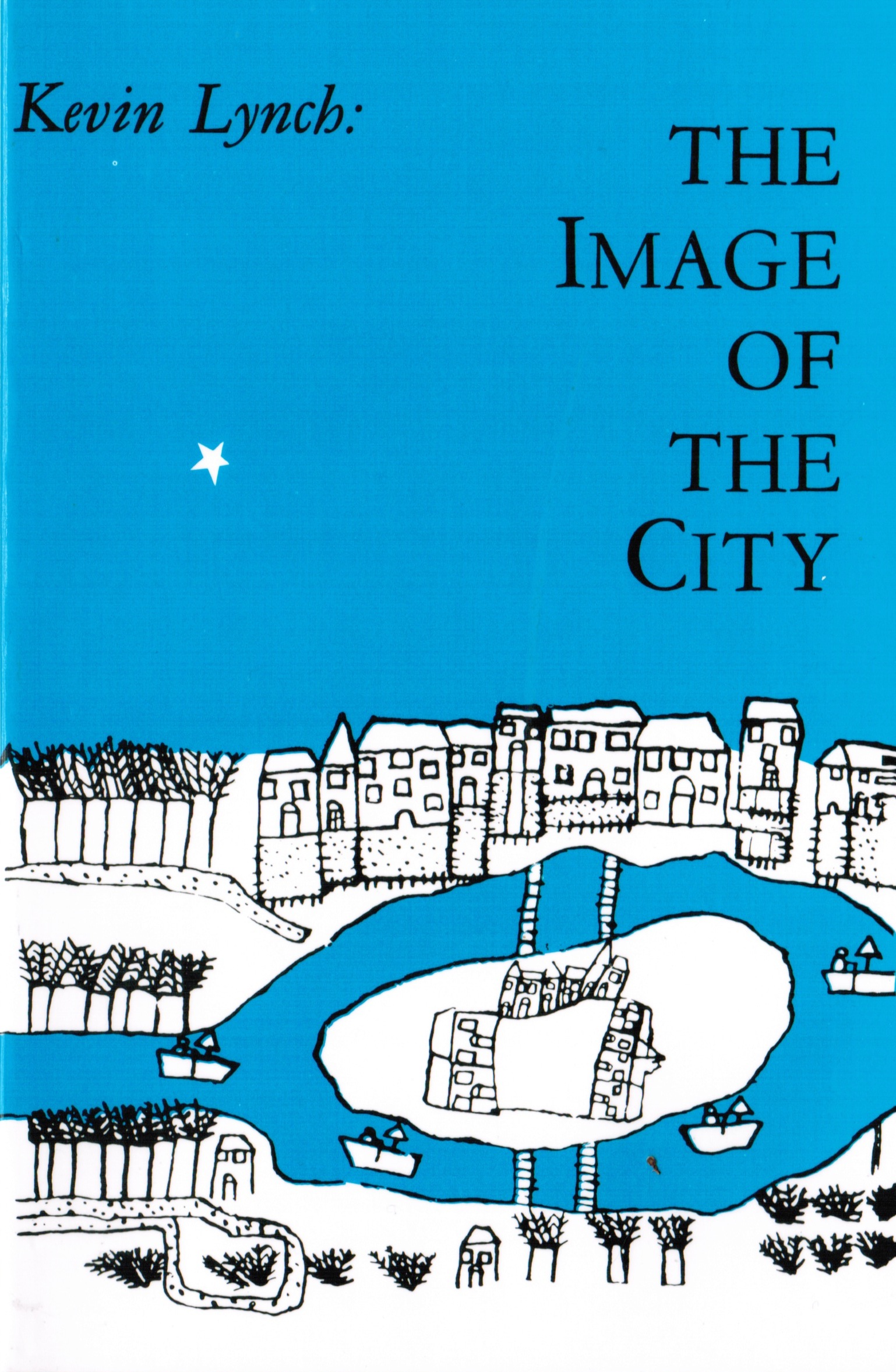
Kevin Lynch’s Original Study (Copyright MIT Press 1960)

In 1960 an architect by the name of Kevin Lynch embarked on a fascinating three-city study of how urban dwellers keep mental pictures of their hometowns. He and his team identified five “elements” of the city: 1) paths, 2) edges, 3) nodes, 4) districts, and 5) landmarks. These five components constitute most of the ways individuals think about and navigate their city. As smartphones become more and more ubiquitous, the way we navigate cities has changed. We have GPS devices, interactive maps, social networking applications that tell us where our friends are and where they like to go for pizza. The city exists in physical space, it exists in our minds, and now it exists in the digital “cloud.” How does this new layer of bits effect the way our cities look, act, and feel? To know more about the How to update the maps on your Garmin device , go through this.

I want to briefly discuss the five elements before conjecturing how access to information changes what these elements look like and how we organize the city in our heads. Paths can be more...

This is the fourth panel spotlight for the upcoming Theorizing the Web conference on April 9th. I’ll have the pleasure of presiding over a panel that focuses on how mobile web platforms are augmenting the world of bricks and flesh. Much more than an ethnography of Foursquare, this panel will explore our changing relationships to space and place, and the new ways public and private spaces are opening up as a result of this new augmented reality.

Presider: david a. banks

PJ and Nathan have done an excellent job on this blog of  articulating social media’s role in times of revolution, but this panel seeks to understand social media’s roll in a variety of instances. We will explore the cultural contexts that Social Networking Services (SNS) operate within, and what this does for old and new associations with (and within) place and society. From San Francisco hipsters to Chinese political activists, and from your local Starbucks, to the Second Life, social media is changing how we interact with our cities and our fellow citizens.

If anything unites these four panelists, it is their balanced perspective on the roll of digital media. Its easy to essentialize mobile computing platforms, or mistake computer mediated communication as anti-social. Without essentializing the technology, or romanticizing the past, these authors provide a balanced critique of what is happening in our cities and online. Read the four abstracts after the break  to learn more:

more...