analog


via measuredme.com

I have a dear family friend. She is highly educated, happily married, a wonderful mother, and incredibly successful in her career. She has also, however, always struggled with her weight.  Like many people, she tried dieting about a million times. This produced the kind of yo-yo style results which bring people to maintain several wardrobes of varying sizes. Then, about five years ago, she started journaling. She wrote down everything she ate and the approximate caloric count of each item. With this tactic, this dear family friend was, for the first time, able to maintain her desired body size.

Don’t worry; this is not a post about how to lose weight. I could write one of those, but the anti-feminist self-loathing would probably be too much for me to bear. Rather, this is a short post about self-tracking. We all know that Cyborgologist Whitney Erin Boesel (@phenatypical) is our resident expert on self-tracking however, as she makes her way from one side of the country to the other, I will pick up the self-tracking ball and talk about some recent findings from the Pew Internet and American Life Project. more...
This post combines part 1 and part 2 of “Technocultures”. These posts are observations made during recent field work in the Ashanti region of Ghana, mostly in the city of Kumasi.

Part 1: Technology as Achievement and Corruption

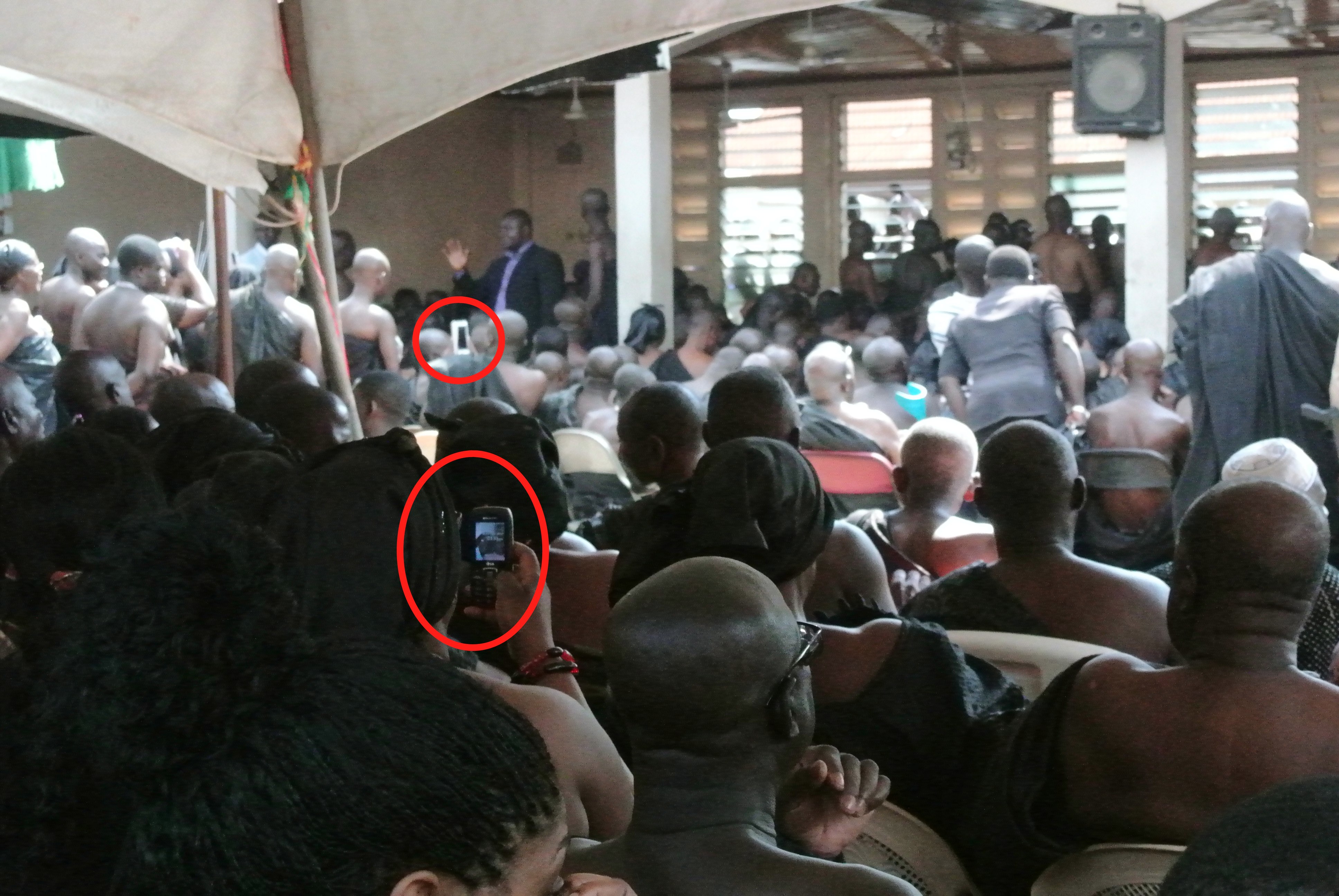
An Ashanti enstooling ceremony, recorded (and presumably shared) through cell phone cameras (marked).

The “digital divide” is a surprisingly durable concept. It has evolved through the years to describe a myriad of economic, social, and technical disparities at various scales across different socioeconomic demographics. Originally it described how people of lower socioeconomic status were unable to access digital networks as readily or easily as more privileged groups. This may have been true a decade ago, but that gap has gotten much smaller. Now authors are cooking up a “new digital divide” based on usage patterns. Forming and maintaining social networks and informal ties, an essential practices for those of limited means, is described as nothing more than shallow entertainment and a waste of time. The third kind of digital divide operates at a global scale; industrialized or “developed” nations have all the cool gadgets and the global south is devoid of all digital infrastructures (both social and technological). The artifacts of digital technology are not only absent, (so the myth goes) but the expertise necessary for fully utilizing these technologies is also nonexistent. Attempts at solving all three kinds of digital divides (especially the third one) usually take a deficit model approach.The deficit model assumes that there are “haves” and “have nots” of technology and expertise. The solution lies in directing more resources to the have nots, thereby remediating the digital disparity. While this is partially grounded in fact, and most attempts are very well-intended, the deficit model is largely wrong. Mobile phones (which are becoming more and more like mobile computers) have put the internet in the hands of millions of people who do not have access to a “full sized” computer. More importantly, computer science, new media literacy, and even the new aesthetic can be found throughout the world in contexts and arrangements that transcend or predate their western counterparts. Ghana is an excellent case study for challenging the common assumptions of technology’s relationship to culture (part 1) and problematizing the historical origins of computer science and the digital aesthetic (part 2). more...

I hereby dare to say that TtW2012 met and surpassed the precedent set by TtW2011 (though both were fantastic). One of the unique features of the TtW conferences are their integration of academic, professional, and artistic expressions of the human/technology relationship. One such example was the lunchtime screening of Kelsey Brannan’s film: Over&Out. In particular, I was struck by the connection between Brannan’s piece and the academic presentations in the Logging off and Disconnection panel. Here, I try to tease out this connection.

I begin with a short synopsis of Over&Out taken from the film’s website: more...

Photo by Michael Chrisman

One of the most heavily trafficked posts on this blog in 2011 was Nathan Jurgenson’s excellent essay on “faux-vintage” photography and the construction of meaning in documentation; given the discussion around this phenomenon, it’s interesting to consider photographer Michael Chrisman’s year-long photo project, especially in the details of how it was processed and how you and I are able to view it above.

more...

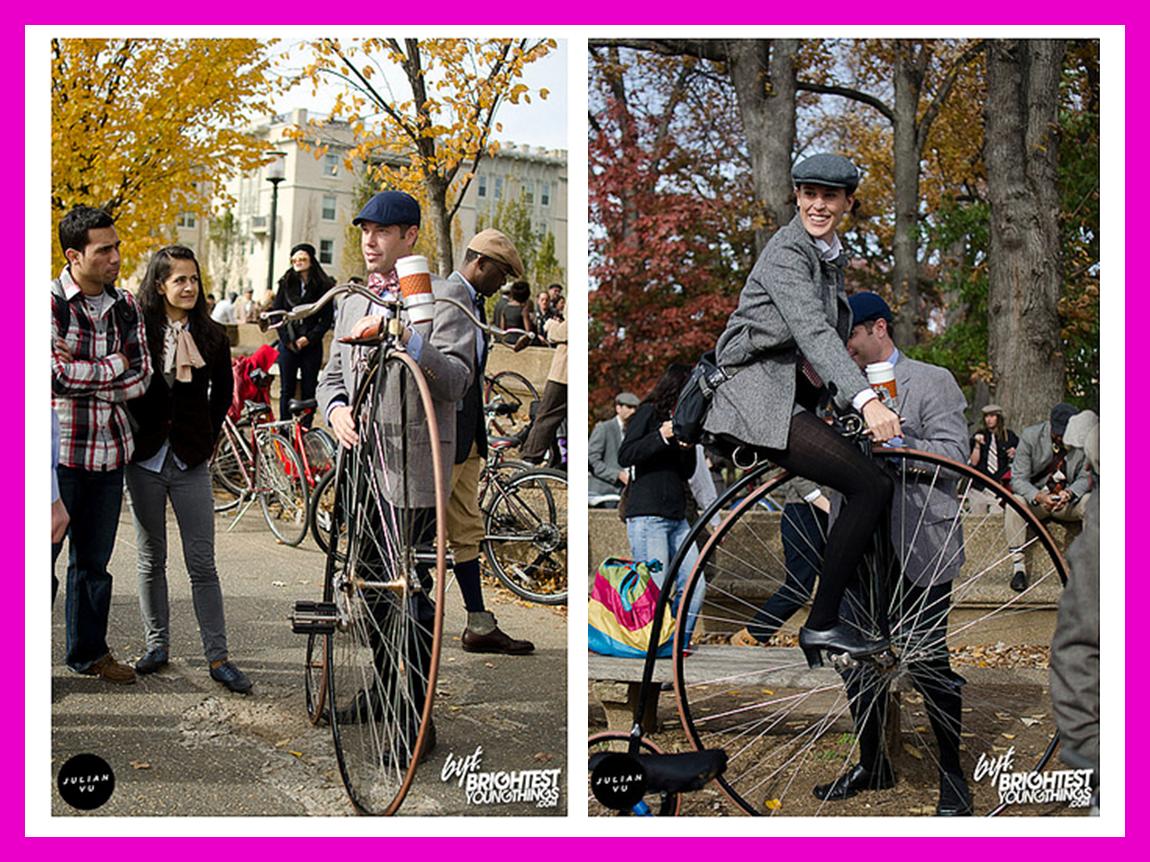
I came across this post a couple weeks back about the “11 Sounds That Your Kids Have Probably Never Heard” and it got me thinking about hipsters, nostalgic revivalism, and technological regression as a source of authenticity.

DC hipster shows off his ride at the 2011 Brightest Young Things Tweed Ride in Washington, DC.

more...