epidemic

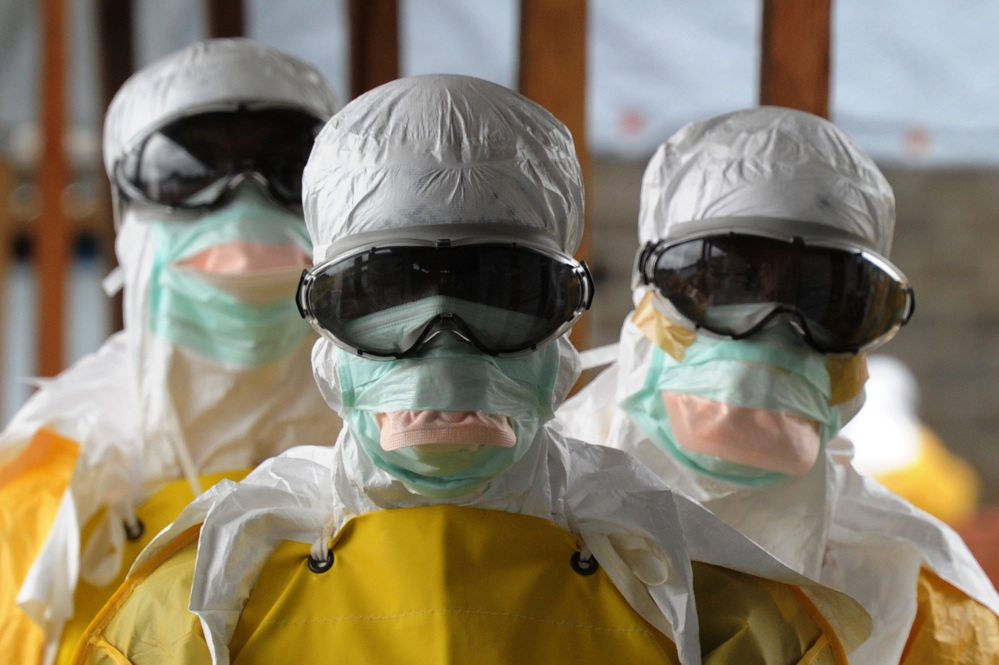
Photo by Dominique Faget/AFP for the Tico Times.
The “epidemic mindset” could be caused by the uncertainty of a global world. Photo by Dominique Faget/AFP.

Though there is still much work to be done to curb cases of Ebola across Liberia, Guinea, and Sierra Leone, good news came this week as the World Health Organization declared Nigeria Ebola-free. Yet fear of the disease remains around the world as Americans and Europeans call for travel restrictions to limit further exposure. Why all the fear for a disease with so few cases gone global?

The New York Times  interviewed sociologist Claudine Burton-Jeangros on the issue, who points out that Ebola fears fit into larger narratives about our place in the world and modern life.

…the more we master the world through science and technology the more frightened we are of those things we can’t control or understand. ”We live in very secure societies and like to think we know what will happen tomorrow. There is no place in our rational and scientific world for the unknown. Objectively, the risks created by Ebola in Europe are very small,” said Ms. Burton-Jeangros, ”but there is an uncertainty that creates fear.”

Since Ebola is only spread when bodily fluids are exchanged, the chances of an outbreak in the U.S. or Europe are very small. We’re not immune from fear, however, and the uncertainty of a global world creates new social supports for epidemics of anxiety. For more on the “epidemic mindset,” check out our roundup of research.
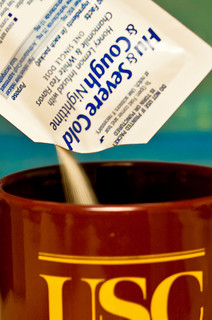
 

Not a good sign around the water cooler. Photo by John Liu via flickr.

In TIME’s online Ideas section, Columbia’s Shamus Khan makes a reasonable proposition: let sick people stay home and get well. “While we typically look to doctors and medicines in a health crisis,” such as the current flu outbreak, “we should recognize that guaranteeing paid sick days to workers could do as much, if not more, to help moderate the impact…”

Khan goes on to cite the 40% of American workers who have no paid sick days and point out that “this is not just inhumane but a matter of public health.”

The jobs with the most contact with the public are the least likely to provide sick days… when you go to purchase a cup of coffee or eat at a restaurant, know that almost all (76%) of the people serving you are likely to show up to work sick, because not doing so means not getting paid and could mean getting fired. Scholars have a name for this—presenteeism: being at work when you otherwise should not for fear of losing your job or beng viewed by your boss as lazy or unreliable.

While New York’s leadership has declined to support paid sick leave policies, San Francisco has implemented one and saw higher rates of employment. “Paid sick leave works,” Khan concludes. Employees stay home and get well, spread less disease, and are less likely to visit emergency rooms (saving themselves and the wider healthcare system millions).